


How does temperature affect the operation of a floating fish food making machine?
Leave a message
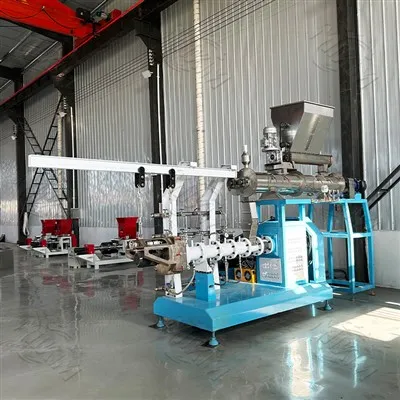
From the perspective of operating a floating fish food pellet making machine, temperature directly determines the stability and energy consumption of the equipment. Cat food ingredients typically include chicken meal, beef meal, and grains. When the extruder barrel temperature is set between 105-125℃, the raw materials form a uniform melt, the extruder load is stable, the motor current is maintained at 80%-90% of its rated value, and energy consumption is at its optimal level. If the temperature is below 100℃, uneven plasticization of the raw materials can lead to "material jamming," increased extruder vibration, accelerated bearing wear, and a 30% reduction in lifespan. If the temperature is above 130℃, the melt becomes too fluid, causing uncontrolled die discharge speed, resulting in uneven feed pellet size and oil leakage due to high-temperature aging of extruder seals, increasing equipment maintenance costs.
The impact of temperature on cat food quality is mainly concentrated on palatability, digestibility, and nutrient retention. Palatability is the core driving force behind cats' willingness to eat. A suitable temperature (110-120℃) can activate the flavor compounds in the meat components of the raw materials, giving the cat food a natural meaty aroma. It also allows a uniform honeycomb structure to form on the surface of the kibble, facilitating the adhesion of flavor compounds. Temperatures that are too high (above 130℃) will cause the meat components to burn, producing bitter substances, which may lead to cats refusing to eat. Temperatures that are too low will prevent the flavor of the raw materials from being released, resulting in a dry and unpalatable texture, also affecting appetite.
Digestibility and nutrient retention are even more crucial aspects of temperature control. At temperatures that are too low, the starch gelatinization rate is less than 50%, and the protein structure is too dense for the cat's digestive system to break down, reducing digestibility by 15%-20% and easily leading to bloating, constipation, and other problems. At suitable temperatures, the starch gelatinization rate can reach over 85%, and the protein undergoes moderate denaturation, making it easier for the cat's intestines to absorb. Meanwhile, the temperature must be strictly controlled below 125℃ to avoid damaging key nutrients in cat food such as taurine and vitamin A. Taurine undergoes significant degradation above 130℃, with a loss rate exceeding 25%, and taurine deficiency can lead to health problems in cats, such as decreased vision. During production, the temperature needs to be adjusted according to the cat food formula. Formulas with high meat content should be kept at a slightly lower temperature (110-115℃), while formulas with high grain content can be kept at a slightly higher temperature (115-120℃) to ensure stability in both equipment and product quality.
Related equipment



about Us
Customer visit

Certificate of Honor

FAQ
1. What is the price of the machine for making fish food?
The price ranges from approximately $3,500-$55,000
2. Do you provide maintenance services for your customers?
Yes, we offer comprehensive after-sales maintenance services to our customers.


