


Analysis of the Influence of Temperature on the Operation of Extruders in Extruded Feed Pellet Mills
Leave a message
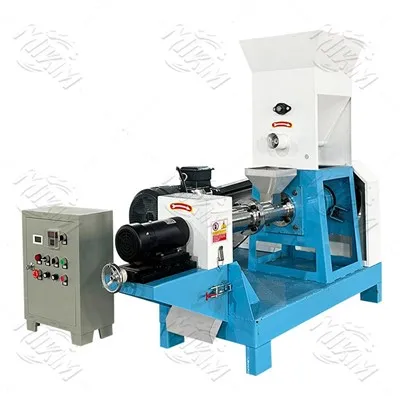
The direct impact of temperature on the operation of a small electric fish meal extruder machine is reflected in melt flowability and equipment load. Fish and shrimp feed ingredients often contain high-protein components such as fishmeal and shrimp meal. When the extruder barrel temperature is too low (below 110℃), the raw materials are not fully plasticized, causing a sharp increase in melt viscosity. This leads to a surge in extruder load, with motor current exceeding the rated value by more than 1.2 times, easily causing motor overheating and burnout. Conversely, excessively high temperatures (above 140℃) cause excessive protein denaturation, resulting in excessively high melt flowability and uneven extrusion speed, exhibiting a "sudden increase in speed" phenomenon. In severe cases, it can even lead to carbonization of the raw materials inside the barrel, clogging the die orifices and forcing production interruptions.
The impact on the quality of fish and shrimp feed is even more critical, mainly reflected in three aspects: foam resistance, nutrient retention, and palatability. A suitable temperature (120-130℃) allows the starch in feed to fully gelatinize, forming a dense network structure that encapsulates nutrients such as protein. This extends the feed's soaking time to 30-45 minutes, meeting the feeding needs of fish and shrimp in water. If the temperature is insufficient, the starch gelatinization rate will be below 60%, resulting in a loose feed structure that quickly disintegrates upon entering the water. Excessive temperature will destroy heat-sensitive nutrients such as B vitamins and EPA, with vitamin losses exceeding 30%, reducing the feed's nutritional value. Furthermore, excessively high temperatures will produce a burnt smell, while excessively low temperatures will result in a raw, fishy smell, both of which will reduce the feeding activity of fish and shrimp and affect their growth rate.
In actual production, a "segmented temperature control" strategy needs to be adopted: the temperature in the feeding section is controlled at 80-90℃ to achieve initial preheating of the raw materials; the temperature in the compression section is gradually increased to 110-120℃ to promote plasticization of the raw materials; the temperature in the extrusion section is maintained at 120-130℃ to ensure full gelatinization of starch; and the temperature in the discharge section is reduced to 110-115℃ to avoid excessive charring of the feed. At the same time, real-time temperature sensors and automatic temperature control systems need to be installed to control temperature fluctuations within ±2℃ to ensure stable operation of the extruder and the quality of fish and shrimp feed.
Related equipment


about Us
Customer visit

Certificate of Honor

FAQ
1. What is the price of the floating fish meal extruder?
The price ranges from approximately $3,500-$55,000
2. Do you provide maintenance services for your customers?
Yes, we offer comprehensive after-sales maintenance services to our customers.


