The technological differences between small-scale farming and large-scale agricultural feed pellet equipment
Leave a message
While both small-scale farmers' self-mixed feed and large-scale feed mills aim to produce high-quality feed pellets, their production processes differ drastically due to variations in production scale, capital investment, and quality requirements. Small-scale farming prioritizes simplicity and low cost, while large-scale production emphasizes standardization and high efficiency. Understanding these differences is crucial for choosing the appropriate production method based on one's own scale.
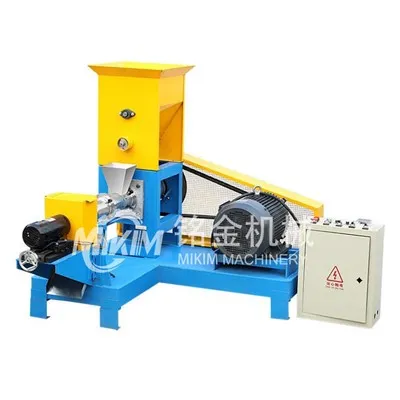
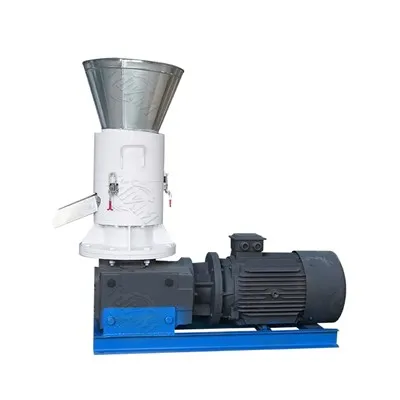
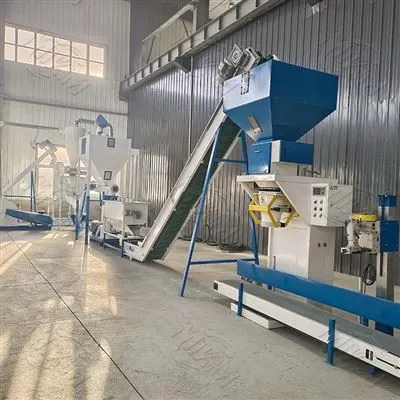
The most obvious difference lies in equipment selection. Small-scale farming (e.g., less than 100 pigs or less than 5,000 poultry) typically uses small, integrated equipment, such as a household feed pellet mill that combines crushing, mixing, and pelleting. This equipment requires an investment of only 10,000-30,000 yuan, occupies less than 10 square meters, and is easy to operate, suitable for 1-2 people. The capacity of this type of equipment is relatively low, ranging from 50-200 kg per hour, sufficient for small-scale self-sufficiency. Large-scale feed mills utilize complete production lines, including raw material receiving equipment, screening equipment, crushing equipment, batching and mixing equipment, pelleting equipment, cooling and drying equipment, and packaging equipment. The entire production line requires an investment of 500,000 to 2 million yuan, occupies several hundred square meters, and uses a PLC control system for automated production. The hourly capacity can reach 1-5 tons, suitable for large-scale mass production and export.
The complexity and standardization of the production process differ. Small-scale livestock feed production is relatively simple, typically omitting raw material pre-cleaning and drying. Raw material screening often combines manual selection with simple vibrating screens. Batching relies on manual weighing, resulting in relatively large errors (controlled within ±1%). Mixing time is 2-3 minutes, followed by natural cooling or simple sun drying after pelleting. Due to the small production batches, feed is usually made and used immediately, requiring no long-term storage and lower post-processing requirements. Large-scale production processes are highly standardized, with strict operating procedures and quality inspections at every stage, from raw material entry into the production line to finished product delivery. Raw materials undergo at least three screenings. The batching process uses a fully automated electronic batching system with an error margin controlled within ±0.1%. Mixing time is 3-5 minutes. After pelleting, the feed undergoes multiple post-processing steps including cooling, drying, and screening. Each batch of feed undergoes nutritional and microbiological testing to ensure compliance with national standards.
Quality control and cost control have different focuses. Small-scale farming relies primarily on experience for feed quality control, focusing on palatability and animal feed intake. Formulas are adjusted based on observation of animal growth. Cost control focuses on reducing equipment investment and raw material waste, utilizing locally sourced, inexpensive materials (such as crop straw) to lower costs. Large-scale production relies on a comprehensive testing system with professional personnel and equipment. Testing includes moisture, crude protein, crude fiber, crude fat, vitamins, heavy metals, and microorganisms, ensuring each batch of feed meets relevant standards. Cost control involves reducing raw material costs through large-scale procurement, optimizing production processes to improve efficiency, and reducing energy consumption and losses. For example, a waste heat recovery system reduces energy consumption in the drying process, keeping feed loss below 3%.
Whether it's small-scale farming or large-scale production, the core principle of feed pellet production is "nutritional balance and safety and hygiene." Small-scale farmers can improve feed quality by learning professional knowledge and introducing simple testing equipment; large-scale feed mills, on the other hand, need to continuously optimize their processes, improve automation levels, ensure stable feed quality, and enhance market competitiveness.
Related equipment



about Us
Customer visit

Certificate of Honor

FAQ
1. What is the price of the Livestock and poultry feed production line?
The price ranges from approximately $7,500-$55,000
2. Do you provide maintenance services for your customers?
Yes, we offer comprehensive after-sales maintenance services to our customers.