How Dry fish feed pellet extruder machines Differ from wet fish feed extruder machines?
Leave a message
content
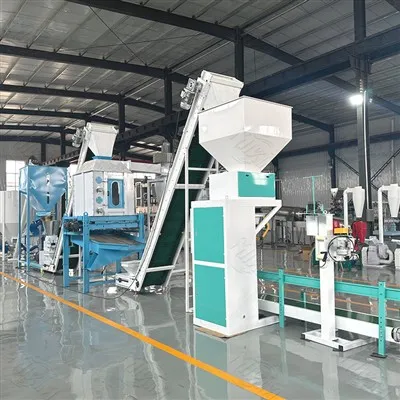
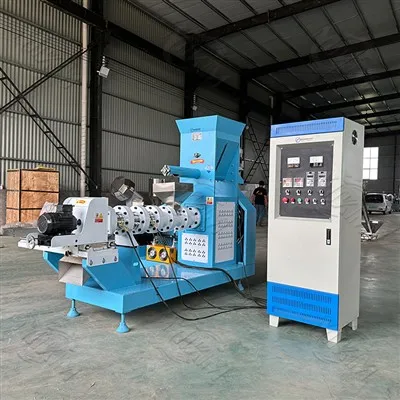
Production Scale Adaptation: Dry extrusion is suitable for small to medium-scale production, while wet extrusion is suitable for large-scale industrial production. Dry-type fish feed pellet processing machines have a simple structure, requiring no additional water, steam, or drying equipment. They occupy a small area (only 15-30㎡), have low equipment purchase costs (approximately 50%-70% of wet extrusion machines), and are easy to operate. They are suitable for small to medium-scale production scenarios such as family farms and small feed processing plants, with a typical capacity of 50-500 kg/h. Wet dog food production machines have a complex structure, requiring auxiliary equipment such as steam boilers, water supply devices, and dryers. They occupy a large area (50-100㎡ or more), with high equipment purchase and operating costs. They are suitable for large-scale continuous industrial production in feed processing plants, with capacities reaching 500 kg/h or even tens of thousands of tons per hour. For example, large pet food companies producing high-end extruded pet food typically use wet extruders to form continuous production lines.
Feed Type and Aquaculture Target Adaptation: Targeted matching of needs. Dry fish feed production equipment is suitable for producing sinking aquatic feed, adult pet chew food, and high-fiber feed-products with low requirements for extrusion degree-especially suitable for bottom-dwelling fish (such as carp and grass carp) and the feeding needs of large adult pets. For example, when producing sinking feed for grass carp, the compact pellets produced by a dry extruder sink quickly to the bottom, matching the feeding habits of grass carp. Wet dog food production machines are suitable for producing floating aquatic feed, starter feed for young pets/fish fry, and highly extruded pet treats-products with high requirements for extrusion degree and palatability-suitable for surface-dwelling fish (such as bass and grouper), young pets, and fish fry. For example, when producing floating feed for bass, the high extrusion effect of a wet extruder allows the pellets to float on the surface for a long time, making it easier for bass to eat and reducing feed waste.
Site and Condition Adaptability: Dry extrusion has lower requirements, while wet extrusion relies on supporting facilities. Dry-type floating fish feed pellet making machines have less demanding site requirements, requiring no steam supply, large water sources, or drainage facilities; they only need ordinary power supply to operate, making them suitable for rural areas, remote areas, and other scenarios with underdeveloped infrastructure. Wet extruders require a stable steam supply (with a matching steam boiler), ample water supply, and a complete drainage system. They also have high requirements for ventilation and heat dissipation, making them suitable for industrial parks with well-developed infrastructure. Furthermore, operating a wet extruder requires specialized technicians, demanding higher skill levels from operators compared to dry extruders.
Related equipment


about Us
MIKIM's fish feed pellet production lines and supporting machinery offer excellent value for money. Not only are they affordable, eliminating middlemen markups and allowing small and medium-sized enterprises (SMEs) and fish farmers to purchase complete sets of equipment at reasonable costs, but they also boast exceptional efficiency. The fully automated process, from raw material crushing and precise ingredient mixing to extrusion pelleting and maturation, is completed in one continuous flow. This results in high starch gelatinization rates and uniform pellet formation, significantly improving production efficiency and feed quality, truly achieving "low cost, high output." Choosing a MIKIM fish feed pellet production line means enjoying comprehensive pre-sales and after-sales service, including 24-hour online customer support, a one-year warranty on the entire machine, professional on-site installation, commissioning, and maintenance, and a stable supply of spare parts. Customers can buy with confidence and use with peace of mind, with both excellent value and service quality!!!
Customer visit

Certificate of Honor

FAQ
1. What is the price of the wet fish feed pellet processing machine?
The price ranges from approximately $1,500-$55,000
2. Do you provide maintenance services for your customers?
Yes, we offer comprehensive after-sales maintenance services to our customers.
If you would like to learn more about MIKIM machinery, please contact us. We offer one-stop service and welcome your inquiries!!!