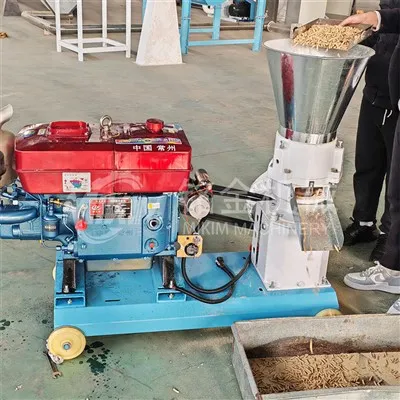
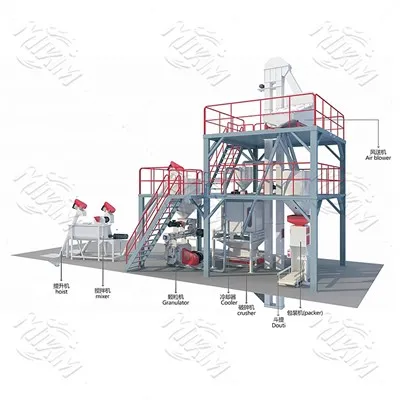
How to avoid risks with a manual fish feed making machine?
Leave a message
Pet food is directly related to pets' health. The operation of a fish food maker machine must adhere to the principles of "safety first, hygiene paramount, and nutritional preservation." Precautions must cover the entire operation process, with particular attention to matching the characteristics of raw materials with the needs of pets.
Safety precautions must be followed throughout the entire operation, focusing on preventing three major risks: mechanical injury, electrical malfunction, and high-temperature burns. Before starting the machine, the extruder's protective devices must be checked. The protective cover for the screw drive must be securely installed; it is strictly forbidden to start the equipment with the protective cover open. Operators must wear anti-static work clothes and high-temperature resistant gloves, and long hair must be tucked into a work cap to prevent it from getting caught in the equipment. Regarding electrical safety, the pet food production environment may contain dust; the motor cooling vents of the extruder must be cleaned regularly to prevent dust accumulation that could cause overheating and short circuits. The fishing pellet making machine must have good grounding with a grounding resistance of less than 4Ω to prevent electric shock accidents caused by leakage. Regarding high-temperature protection, the extruder outlet temperature can reach over 120℃; clear high-temperature warning signs must be set up. It is strictly forbidden to touch the discharged feed pellets directly with bare hands; special tools must be used when handling the feed. In addition, if abnormal noise or vibration occurs during equipment operation, the emergency stop button must be pressed immediately. Troubleshooting should only proceed after the equipment has completely stopped. Opening the cover for inspection while the machine is running is strictly prohibited.
The handling of raw materials and process control directly affect feed quality. Pet food contains a high proportion of meat meal (30%-50%), mostly chicken and beef meal, which are easily perishable. It is essential to ensure the freshness of the raw materials, controlling the moisture content to 10%-12%. Meat meal with a content exceeding 15% must not be fed into the extruder to prevent mold or clumping inside the machine. Fruit and vegetable powders, such as carrot powder and pumpkin powder, are hygroscopic and must be stored separately from meat meal. After mixing, they should be immediately fed into the small electric fish feed extruder to prevent moisture absorption, clumping, and clogging of the feed inlet. Process parameters must be adjusted to balance palatability and nutrition. When producing cat food, because cats prefer the smell of fish, the extrusion temperature can be controlled at 80-90℃ to avoid damaging the flavor compounds in the fish meal.
When producing dog food, the temperature can be increased to 100-110℃ to enhance pellet hardness. When adding probiotics and other active ingredients, a "post-addition" method must be used, spraying them in after the extruder discharges and before cooling. It is strictly forbidden to add probiotics to the extruder along with the raw materials to prevent the high temperature from killing the active ingredients.
Hygiene, cleaning, and maintenance of the small electric fish feed extruder machine are fundamental considerations in pet food production. After each batch of production, a "three-level cleaning" standard must be implemented: Level 1: Blow away any residual raw materials from the extrusion chamber, die, and feeding system with compressed air; Level 2: Rinse all parts that came into contact with the raw materials with warm water, controlling the water temperature at 40-50℃ to avoid damaging the equipment's seals; Level 3: Disinfect the die and screw with food-grade disinfectant, rinse thoroughly with purified water after disinfection, and allow to dry before shutting down the equipment.
Related equipment


about Us
Customer visit

Certificate of Honor

FAQ
1. What is the price of the floating fish food machine?
The price ranges from approximately $4,500-$35,000
2. Do you provide maintenance services for your customers?
Yes, we offer comprehensive after-sales maintenance services to our customers.