How to choose floating fish food extruder machine between electric and diesel type?
Leave a message
Featured Snippet
To choose between an electric and diesel floating fish feed making machine:
- Choose electric type if you have stable power supply, lower operating costs, and need continuous production
- Choose diesel type if you operate in remote areas, need mobility, or face unstable electricity
- Compare based on cost, capacity, energy efficiency, maintenance, and application scenario
Selecting the right power type directly impacts production efficiency, feed quality, and long-term profitability.
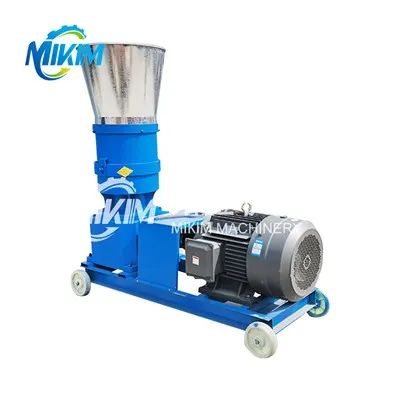
Electric and Diesel-Powered Floating Fish Feed Extruder - Factory Production Footage
Why Power Type Selection Matters in Fish Feed Production
Choosing between an electric and diesel floating fish feed pellet maker machine is not just a technical decision. It shapes your production stability, operating cost, and long-term return on investment. Like choosing between a wired engine and a self-powered explorer, each option has its own strengths depending on your working environment and production goals.
What Is a floating fish feed pellet extruder machine?
A floating fish feed pellet extruder machine is an extrusion-based system that processes raw materials into floating pellets through high temperature and pressure. These pellets remain on the water surface, allowing better feed monitoring, reduced waste, and improved fish growth performance.
Both electric and diesel types share the same extrusion principle, but differ in their power source and application flexibility.
Electric vs Diesel floating fish feed pellet making machine: Core Differences
1. Power Source and Operation Stability
Electric Machine:
Powered by electricity, offering stable and continuous operation with minimal fluctuation
Diesel Machine:
Powered by a diesel engine, independent of the electrical grid but subject to fuel consumption and engine conditions
Electric machines are like a steady heartbeat, while diesel machines act more like a portable generator on wheels.
2. Operating Cost Comparison
Electric Type:
Lower long-term operating cost if electricity is affordable and stable
Diesel Type:
Higher fuel cost, especially for long production hours
For large-scale and continuous production, electric machines are generally more economical.
3. Mobility and Application Flexibility
Electric Machine:
Fixed installation, suitable for factories or processing plants
Diesel Machine:
Mobile and flexible, ideal for farms, rural areas, and outdoor operations
Diesel machines shine where wires cannot reach.
4. Maintenance Requirements
Electric Type:
Simpler maintenance, mainly focusing on motor and electrical components
Diesel Type:
Requires regular engine maintenance such as oil changes and fuel system checks
Diesel machines demand more attention but reward with independence.
5. Production Capacity and Efficiency
Both types can achieve similar production capacity depending on the model, but:
Electric machines offer more consistent performance
Diesel machines may have slight fluctuations due to engine load
How to Choose Based on Your Working Conditions
1. Power Supply Availability
Stable electricity → choose electric
No electricity or frequent outages → choose diesel
2. Production Scale
Large-scale, continuous production → electric
Small to medium or mobile production → diesel
3. Budget Considerations
Lower initial cost flexibility → diesel
Lower long-term cost → electric
4. Installation Environment
Fixed factory setup → electric
Remote fish farm or field use → diesel
Advantages of Electric floating fish food production machines
- Lower energy cost
- Stable operation
- Low noise and environmentally friendly
- Easier automation integration
Advantages of Diesel floating fish food pellet making machines
- No power supply required.
- Strong mobility
- Suitable for remote areas
- Quick deployment and setup
Common Mistakes When Choosing a fish food production machine for home
Ignoring Power Infrastructure
Choosing electric machines without stable electricity leads to downtime
Focusing Only on Initial Cost
Lower upfront cost may result in higher long-term expenses
Overlooking Production Needs
Mismatch between machine capacity and actual demand reduces efficiency
Real Application Scenarios
- Aquafeed Factory: Electric machines for continuous, high-volume production
- Rural Fish Farm: Diesel machines for flexible, on-site feed production
- Startup Business: Choice depends on budget and location conditions
How the Right Choice Improves Profitability
Selecting the correct machine type helps:
- Reduce production interruptions
- Optimize energy consumption
- Improve feed consistency
- Lower operational risks
In essence, the right machine turns your feed production line into a reliable profit engine.
FAQ: Electric vs Diesel fish feed pellet making machines
Q1: Which type produces better floating feed quality?
Both can produce high-quality feed if properly operated.
Q2: Is diesel machine suitable for long-term use?
Yes, but fuel and maintenance costs should be considered.
Q3: Can I switch between diesel and electric?
Some models support dual power systems, depending on manufacturer design.
Q4: Which is better for beginners?
Electric machines are generally easier to operate and maintain.
Conclusion: Match the Machine to Your Reality, Not Just the Price
Choosing between electric and diesel floating fish food pellet maker machines is about aligning technology with your real-world conditions. Electric machines offer efficiency and stability, while diesel machines provide freedom and flexibility. The best choice is the one that fits your power supply, production scale, and long-term business strategy.
Company Profile