


How to control the feeding rhythm of an extruder pellet machine
Nov 07, 2025
Leave a message
Many small and medium-sized feed producers struggle with batch feeding when using extruded pellet feed machines. Buying fully automatic equipment is too expensive, while manual feeding risks low efficiency, uneven feeding, and compromised feed quality. Actually, manual-assisted batch feeding is a good compromise, requiring minimal investment while still achieving batch feeding. Below is a detailed explanation of how to do it.
Production line operation steps
- First, prepare the necessary tools. Install a temporary storage hopper above the feed inlet of the extruded pellet mill. The hopper's capacity depends on the amount of feed per batch; generally, a hopper that can hold 50-100 kg of raw material is sufficient, allowing for one batch to be fed at a time without frequent refills. Install a manual regulating valve below the hopper, similar to a household faucet, to control the flow rate of the raw material. This is crucial for ensuring even feeding.
- Then, feed in batches in stages. First, weigh the raw materials to be processed (e.g., a mixture of corn flour and soybean meal) in advance, for example, preparing 80 kg at a time to avoid wasting time weighing them midway. Second, turn on the extruded pellet mill and let it idle for 1-2 minutes until the machine speed stabilizes. Then, slowly open the manual valve below the hopper. Initially, don't open the valve too wide; let the raw material flow in a thin stream and observe the machine's operation. If there are no abnormal noises or sudden increases in current, gradually increase the valve opening until the raw material enters the machine continuously and evenly. At this point, the valve opening should be between 1/2 and 2/3 full.
- Next, close monitoring is crucial during feeding. The operator must remain on-site, observing the raw material at the inlet: if the raw material piles up at the inlet, the valve is too wide and needs to be reduced immediately to prevent blockage; if the raw material flow is intermittent, slightly increase the valve opening to ensure a continuous supply. Simultaneously, observe the machine's output. If the extruded pellets are uneven in size, it's likely due to inconsistent feeding speeds. In this case, stabilize the valve opening and maintain a consistent feeding rhythm.
- Finally, clean the machine promptly after each batch is finished. When the raw material in the temporary hopper is almost empty (about 5-10 kg remaining), slowly close the valve to gradually reduce the amount of raw material and prevent the machine from running dry due to a sudden supply interruption. After all the raw material in the hopper has been fed out, turn off the machine and use a brush to clean any remaining raw material from the feed inlet to prevent it from becoming damp and clumping during the next feeding, which would affect the processing of new material.


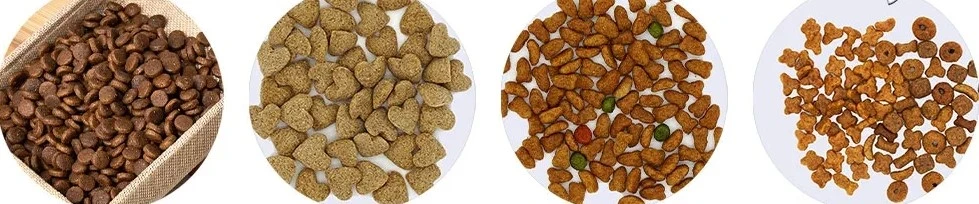
Finished Product Display
about Us
Customer visit

FAQ
1. What is the price of the fish food extruder machine?
The price ranges from approximately $10,000-$55,000
2. Do you provide maintenance services for your customers?
Yes, we offer comprehensive after-sales maintenance services to our customers.


