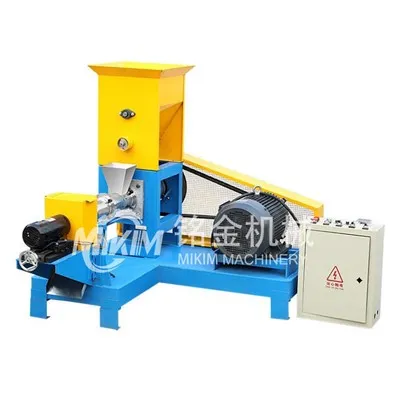
How to maintain a small fish food making machine?
Leave a message
content
Part 1: Standardized Maintenance Points to Reduce Equipment Damage Probability.
Standardized maintenance is key to preventing equipment damage. Based on the structural features of the small floating fish feed making machine, we provide four practical maintenance points that even beginners can easily implement.
- First, routine maintenance: After each production run, clean any remaining raw materials from the equipment, clean the feed inlet, discharge outlet, and die head, and check for loose bolts and nuts, tightening them promptly. Add an appropriate amount of grease to the motor bearings and gearbox weekly to prevent increased friction.
- Second, periodic maintenance: Conduct a comprehensive monthly inspection of core components (screw, pressure roller, die head, and crushing blade) to check for wear and deformation, replacing vulnerable parts promptly. Calibrate the temperature controller and speed regulator every three months to ensure accurate parameters.
- Third, seasonal maintenance: In the high temperatures of summer, regularly clean the motor cooling system of the floating fish feed pellet maker machine to prevent overheating damage. In the low temperatures of winter, preheat the equipment before starting to prevent parts from jamming or wearing due to low temperatures. Fourth, stock up on vulnerable parts: Maintain a stockpile of commonly used vulnerable parts (die head, pressure roller, gaskets, and crushing blades) to avoid production interruptions due to lack of spare parts after equipment failure.
Part Two: Source Prevention Measures – Fundamentally Avoiding Damage to the Small Floating Fish Feed Extruder Machine.
- First, standardize operation. Operators must strictly follow the operation manual to avoid overfeeding, excessive impurities in the raw materials, and avoid running the equipment under no-load or overload conditions. When adjusting parameters, do so gradually to avoid large adjustments at once, which can lead to equipment failure.
- Second, control raw materials. Strictly screen raw materials to remove impurities such as stones and metal shavings to prevent them from entering the equipment and wearing down core components. Adjust the moisture content of the raw materials to 15%-20% to avoid excessive moisture causing feed blockage and particle adhesion, and excessive moisture causing component wear.
- Third, control the environment. Place the equipment in a dry, ventilated, and cool place to avoid humid environments that can cause aging of the motor and wiring, high temperatures that can cause the small fish food pellet making machine to overheat, and dust accumulation that can cause component blockage.
Part Three: Long-term usage recommendations to extend the service life of the sinking fish feed pellet making machine.
- First, conduct regular personnel training. New operators must receive professional operation and maintenance training to master equipment diagnosis and maintenance skills, reducing operational errors.
- Second, select high-quality equipment and spare parts. When purchasing small fish feed pellet mills, prioritize reputable manufacturers with excellent after-sales service. When replacing wear parts, choose original equipment manufacturer (OEM) parts or high-quality, wear-resistant parts to avoid damage caused by inferior components.
- Third, establish a usage record for the sinking fish food pellet extruder machine, documenting equipment purchase time, maintenance records, malfunction records, and wear part replacement records. This facilitates long-term traceability, optimizes maintenance plans, and allows for the timely detection and handling of potential equipment problems, reducing the probability of damage.
Finished Product Display

about Us
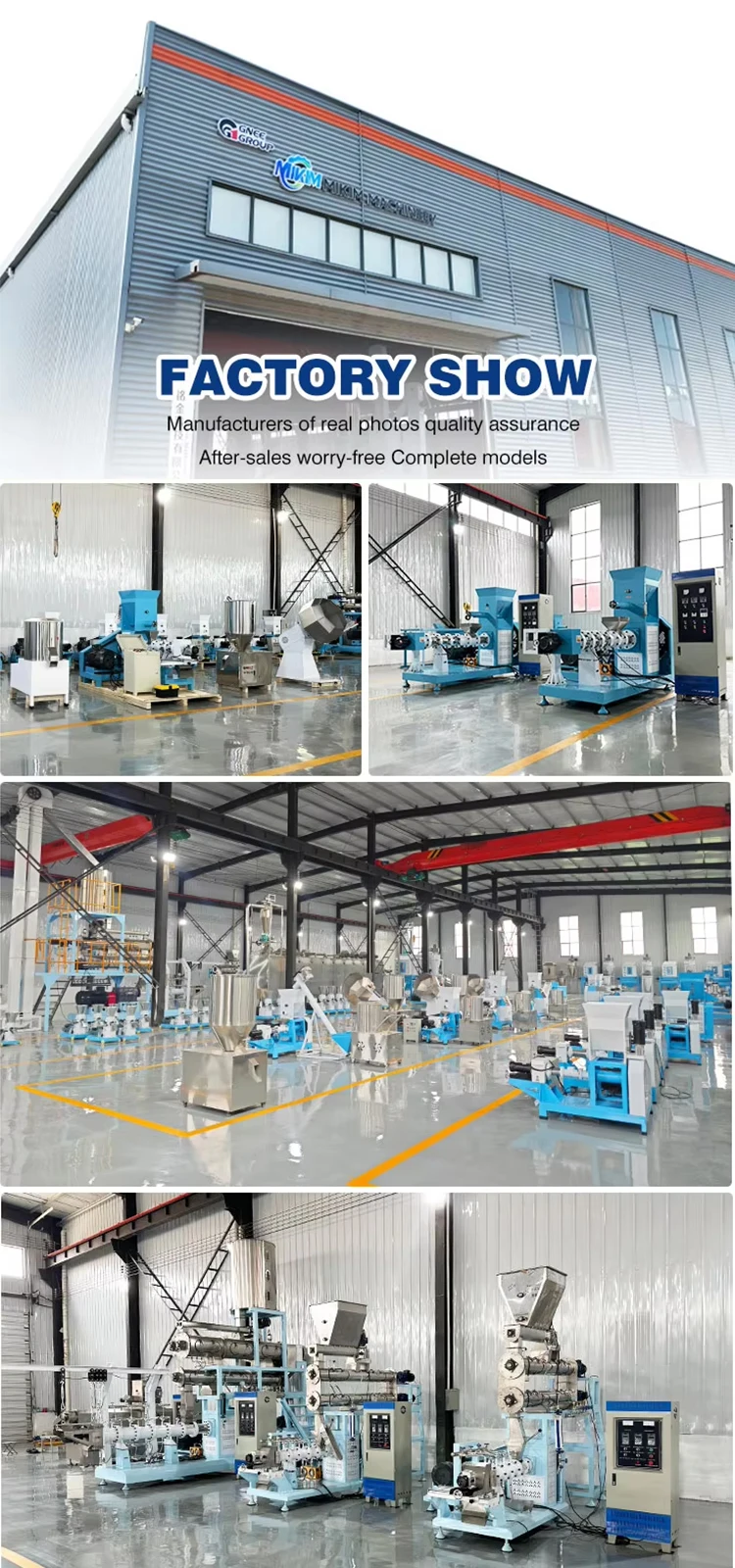
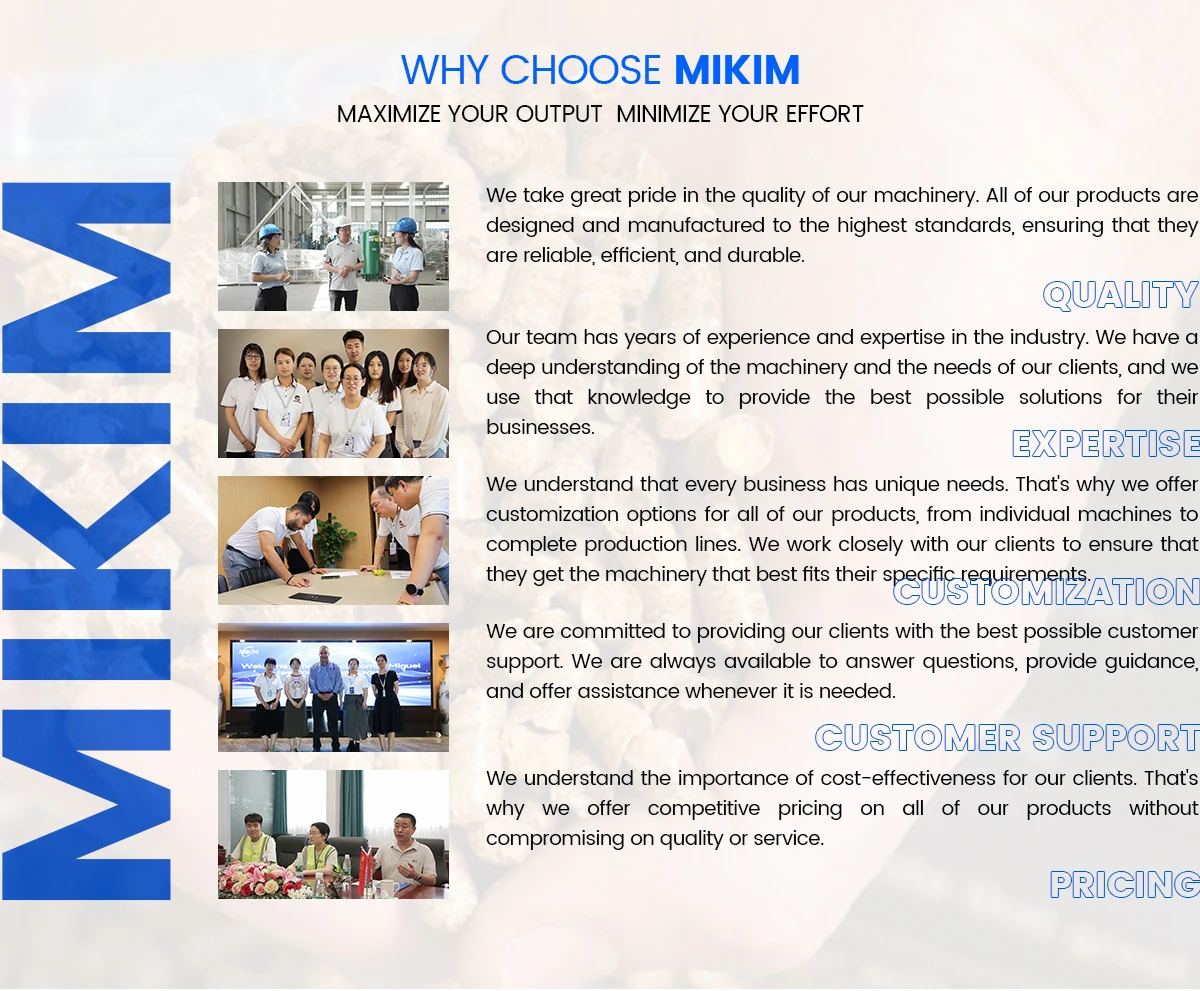
MIKIM's fish feed pellet production lines and supporting machinery offer excellent value for money. Not only are they affordable, eliminating middlemen markups and allowing small and medium-sized enterprises (SMEs) and fish farmers to purchase complete sets of equipment at reasonable costs, but they also boast exceptional efficiency.
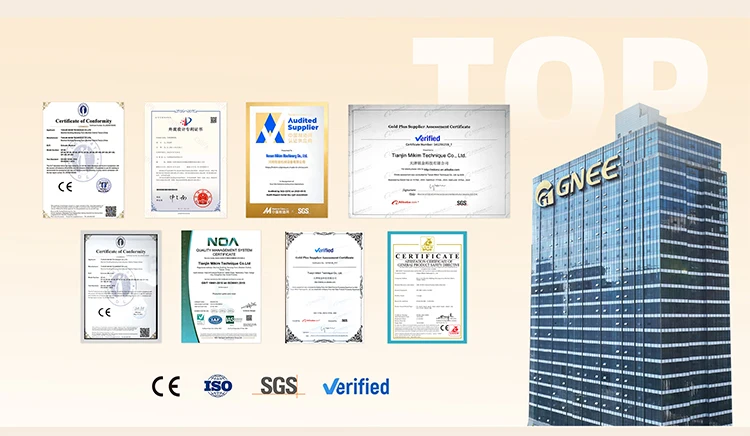
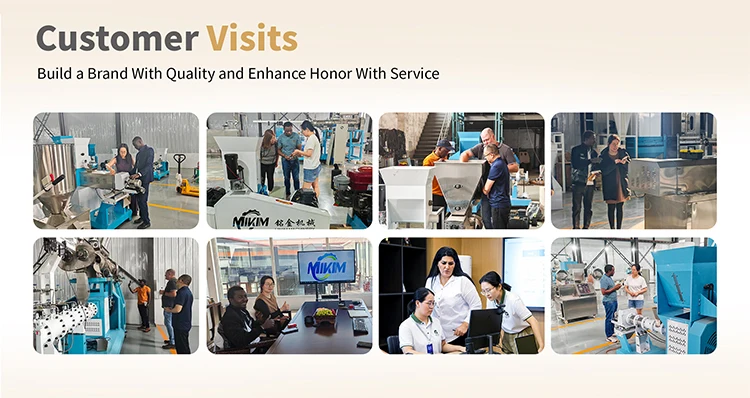
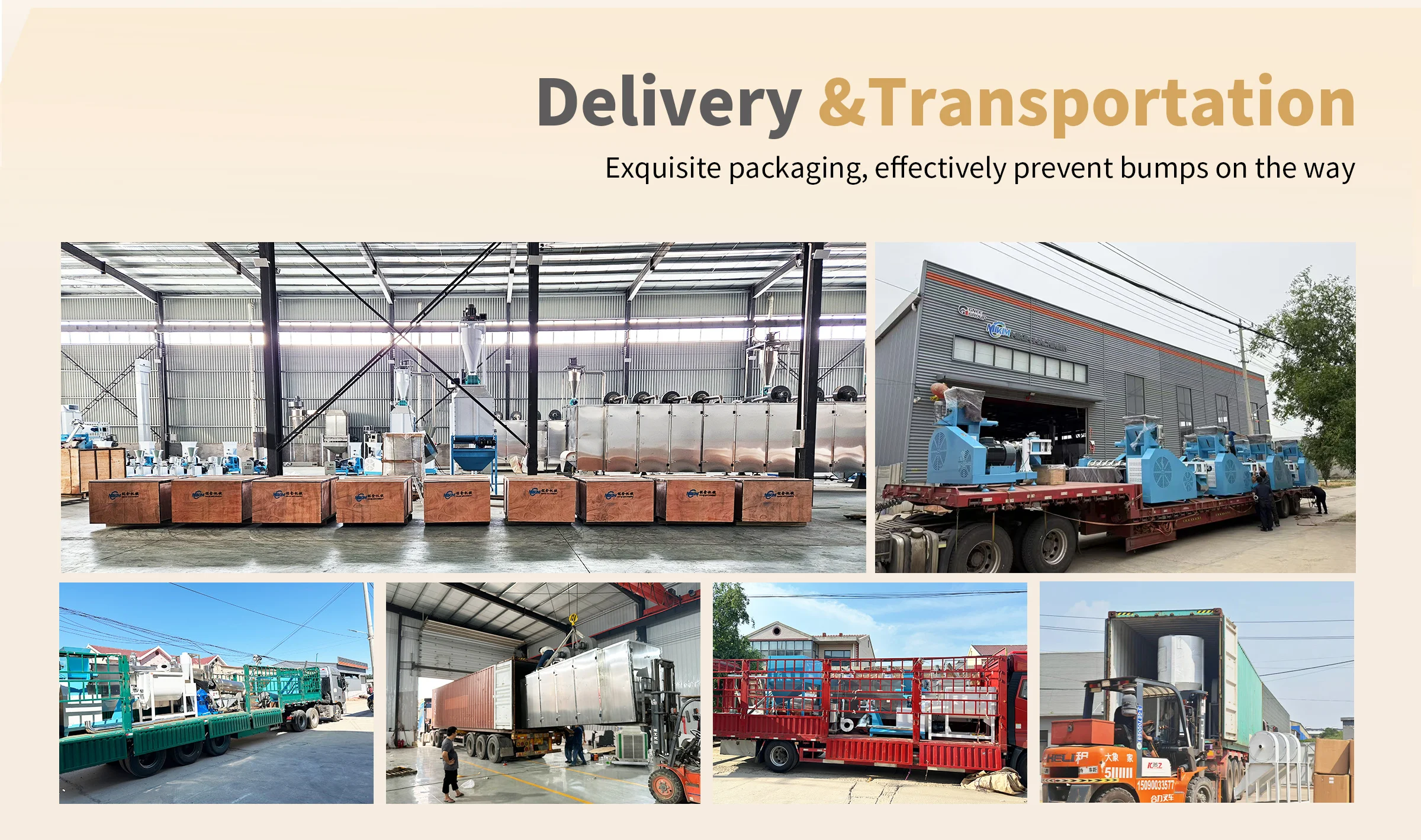
Choosing a MIKIM fish feed pellet production line means enjoying comprehensive pre-sales and after-sales service, including 24-hour online customer support, a one-year warranty on the entire machine, professional on-site installation, commissioning, and maintenance, and a stable supply of spare parts. Customers can buy with confidence and use with peace of mind, with both excellent value and service quality!!!

FAQ
1. What is the price of the fish food production machine for home?
The price ranges from approximately $1,500-$55,000
2. Do you provide maintenance services for your customers?
Yes, we offer comprehensive after-sales maintenance services to our customers.
To explore which twin screw pet food machine model is suitable for your product line, view our full range of equipment or contact our team for a customized production plan.