How to Use a Dry Type Fish Feed Pellet Processing Machine in Nigeria: Step-by-Step Guide for Fish Farmers
Leave a message
What Is a Dry Type Fish Feed Pellet Processing Machine?
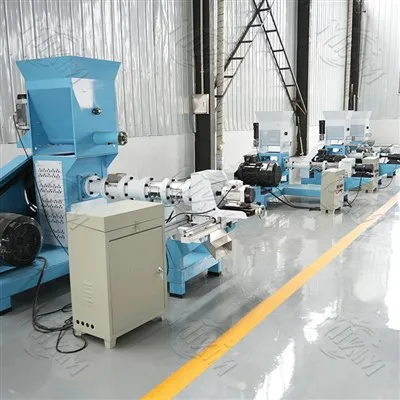
A Dry Type floating fish feed pellet making machine is an extrusion machine used to produce floating or sinking fish feed pellets without using a steam boiler.
The machine uses mechanical pressure and high temperature generated during extrusion to cook and expand feed materials. It is widely used in Nigeria for producing:
- Catfish feed
- Tilapia feed
- Aquarium fish feed
- Shrimp feed
- Poultry feed additives
Compared with wet type fish feed production lines, dry type machines require lower investment and simpler installation.


Why Dry Type Fish Feed Machines Are Popular in Nigeria?
Lower Startup Cost
No boiler system is needed, reducing equipment investment.
Easy Installation
Suitable for rural farms and small workshops.
Local Raw Material Compatibility
Can process common Nigerian agricultural materials.
Flexible Capacity Options
Available for small farms and commercial feed businesses.
Lower Maintenance Requirements
Simple structure makes daily maintenance easier.
Common Raw Materials Used in Nigeria
Fish feed quality depends heavily on raw material selection.
| Raw Material | Main Function |
|---|---|
| Maize flour | Energy source |
| Soybean meal | Protein source |
| Fish meal | Animal protein |
| Wheat bran | Fiber and binding |
| Cassava flour | Starch |
| Groundnut cake | Plant protein |
| Vitamin premix | Nutrition supplement |
To improve pellet floating performance, starch content should be properly balanced in the formula.

How to Use a Dry Type fish feed making machine?
Step 1: Prepare Raw Materials
Raw materials should be crushed into fine powder before mixing. Fine grinding helps improve pellet stability and floating rate.
Recommended powder size:
- 60-80 mesh for small fish feed
- 40-60 mesh for larger pellets
Step 2: Mix Feed Ingredients
Mix protein materials, grain powder, vitamins, minerals, and water evenly.
Important mixing tips:
- Moisture content usually stays around 20%-25%
- Uneven mixing may reduce pellet quality
- Avoid excessive water addition
Step 3: Start the Fish Feed Machine
Before starting:
- Check motor rotation direction
- Confirm belt tension
- Lubricate bearings
Ensure die and screw are properly installed
Start the machine empty for several minutes before feeding materials.
Step 4: Feed Materials into the Extruder
Feed materials continuously and evenly.
During operation:
- Avoid overloading
- Monitor machine temperature
- Check pellet expansion condition
- Adjust cutting blade for pellet length
Stable feeding improves pellet quality and machine lifespan.
Step 5: Dry the Fish Feed Pellets
Fresh pellets contain moisture after extrusion.
Drying benefits:
- Prevent mold growth
- Improve storage time
- Maintain floating performance
Pellets can be naturally dried under sunlight or processed using a feed dryer machine.
Step 6: Cooling and Packaging
After drying:
- Cool pellets completely
- Store in dry bags
- Avoid humid environments
Proper storage helps maintain feed nutrition and pellet quality.
Common Problems and Solutions
| Problem | Possible Cause | Solution |
|---|---|---|
| Pellets sink quickly | Low starch content | Increase starch materials |
| Pellets break easily | Insufficient moisture | Adjust water content |
| Uneven pellet size | Unstable feeding | Feed materials evenly Detailed causes and solutions for fish feed production problems |
| Machine blockage | Raw material too coarse | Improve grinding fineness Common fish feed machine issues and troubleshooting guide. |
| Low output | Worn screw or die | Replace spare parts |
How To Maintain A Floating Fish Feed Extruder Properly?
Regular maintenance helps reduce breakdowns and improve production efficiency.
Daily Maintenance
- Clean machine after production
- Check screw wear
- Lubricate bearings
Weekly Inspection
- Inspect belt tightness
- Check cutter blades
- Examine electrical components
Spare Parts Management
- Keep commonly used spare parts such as:
- Screws
- Dies
- Bearings
- Cutter blades
This is especially important for overseas users in Nigeria.
★Fish Feed Extruder Cleaning And Maintenance Guide
Recommended Machine Capacity for Nigerian Fish Farms
| Machine Capacity | Suitable Users |
|---|---|
| 40-60kg/h | Small farms |
| 100-150kg/h | Startup businesses |
| 200-300kg/h | Medium feed factories |
| 500kg/h+ | Commercial feed plants |
For many Nigerian catfish farmers, 100-200kg/h machines provide a good balance between investment and production capacity.

Read More About Extrusion Technology
How to Choose a Reliable Dry Type fish feed production equipment Supplier?
Before purchasing, buyers should evaluate:
- Machine material quality
- Motor brand
- Spare parts availability
- Technical support
- Installation guidance
- Export experience to Nigeria
A reliable supplier can provide machine testing videos, operation manuals, and feed formula support.
Conclusion
A Dry Type fish feed pellet extruder machine is an efficient and economical solution for fish farmers and feed businesses in Nigeria. Proper machine operation, balanced feed formulas, and regular maintenance can help improve feed quality, reduce production costs, and increase fish farming profitability.
With the growing demand for catfish and aquaculture feed in Nigeria, local floating fish feed production continues to offer strong market opportunities.
FAQ
Q1: Can Dry Type floating fish feed pellet maker machines produce floating feed?
Yes. Most Dry Type floating fish feed pellet maker machines can produce floating fish feed pellets.
Q2: What fish species are suitable for this machine?
Catfish, tilapia, ornamental fish, and some shrimp feed applications.
Q3: Does the Dry Type Fish Feed pellet maker machine require a steam boiler?
No. Dry Type Fish Feed pellet maker machines operate without a boiler.
Q4: What moisture level is suitable for feed materials?
Usually 20%-25%, depending on the feed formula.
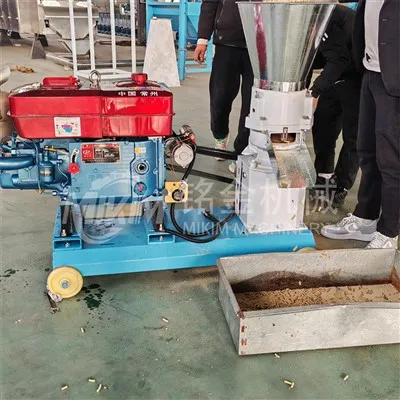
Q5: Is diesel engine power available for Nigeria?
Yes. Many machines can be equipped with diesel engines for areas with unstable electricity.
Company Profile