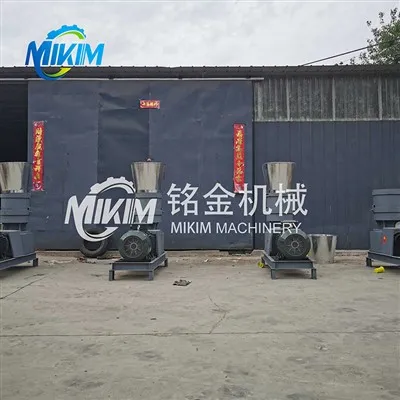
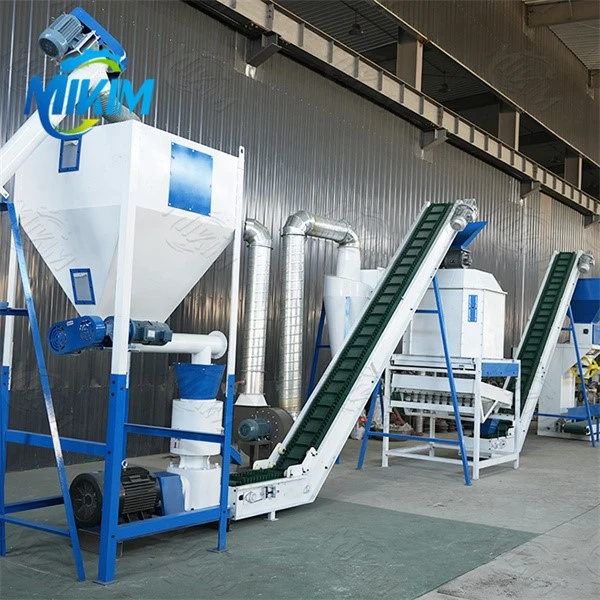
Pellet feed processing unit, the key to creating high-quality feed
Leave a message
1. Raw material selection and proportioning:
High-quality feed starts with high-quality raw materials. Select fresh, mildew-free, odor-free high-quality feed raw materials, and reasonably proportion various nutrients to ensure the balance of protein, carbohydrates, fat, vitamins and minerals in the feed.
2. Control of the crushing process:
In feed processing, the particle size of pellet feed directly affects the animal's feeding and digestion and absorption. Appropriate crushing can increase the surface area of the feed, improve its solubility, promote animal digestion, and improve feed utilization.
|
Model |
Capacity |
Dimension |
Weight |
|
MK-125 |
80-100kg/h |
110*35*70 cm |
95 kg |
|
MK-150 |
120-150kg/h |
115*35*80cm |
100 kg |
|
MK-210 |
200-300kg/h |
115*45*95cm |
300 kg |
|
MK-260 |
500-600kg/h |
138*46*100cm |
350 kg |
|
MK-300 |
700-800kg/h |
130*53*105cm |
600 kg |
|
MK-360 |
900-1000kg/h |
160*67*150cm |
800 kg |
|
MK-400 |
1200-1500kg/h |
160*68*145cm |
1200 kg |
| 1.Used for making animal feed pellets
2.Used for making wood pellets as fuel 3.Raw material size need 3-5mm ; Humidity :10-12% |
|||
3. Uniformity of ingredients:
The uniformity of pellet feed has a direct impact on the growth and development of farmed animals. The feed processing unit should ensure that the various ingredients are fully mixed during the mixing and granulation process to ensure that the feed pellets contain the same nutrients and avoid the situation of animal picky eating.
4. Control of pelleting process:
Pelleting is a key link in pellet feed processing. Use appropriate pelletizers and appropriate pelleting processes to ensure the hardness and stability of the pellets. Appropriate temperature, humidity and pressure are important factors affecting the quality of pellets. The optimization of the pelleting process can ensure the quality of feed pellets.
5. Cooling and drying of feed pellets:
The pellets that have just been made are usually at a high temperature and need to be cooled to prevent the hot air from causing the pellets to stick together. At the same time, it is also necessary to ensure the dryness of the pellets to avoid moisture and mold.