Steam-Assisted vs. Non-Steam floating fish feed pellet extruder machines: What Are the Differences?
Leave a message

In the commercial aquaculture sector, the choice between a Steam (Wet-Type) Extruder and a No Steam (Dry-Type) Extruder is not just a matter of price-it is a strategic decision that affects your Feed Conversion Ratio (FCR), operational costs, and the types of species you can profitably farm.
This guide explores the technical mechanisms, including Specific Mechanical Energy (SME), moisture management, and the hidden costs of infrastructure, to help you choose the right technology for your feed mill.
1. The Scientific Difference: SME vs. Thermal Energy
The primary difference lies in how the starch in the raw materials is "cooked" (gelatinized).
Dry-type floating fish feed making machine: High SME
Dry extruders rely on Specific Mechanical Energy (SME). The machine uses high-intensity friction and shear between the screw and the barrel to generate heat.
- The Process: Raw material enters at roughly 12-15% moisture. The mechanical force does 100% of the cooking.
- Limitation: High friction leads to faster wear and tear on the screw and sleeve.
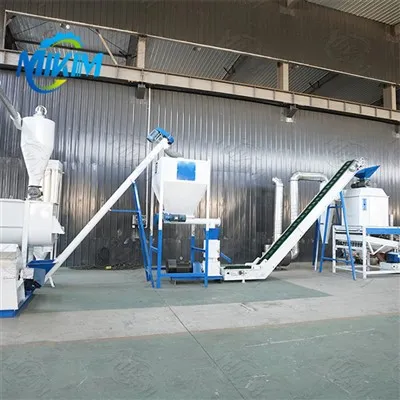
Non-steam (dry-type) fish feed production equipment test in factory
I am interested in this product
wet Type Floating fish feed extruder machine: Thermal Energy + SME
Wet extruders use a Pre-conditioner to inject external steam and water into the mash before it enters the barrel.
- The Process: The steam provides "Thermal Energy," softening the material. This reduces the mechanical work (SME) required.
- The Benefit: Higher starch gelatinization (up to 95%+) compared to dry extrusion (approx. 80%). This directly results in better digestibility for the fish.
Steam-Assisted(wet Type) floating fish feed pellet processing machine test
I am interested in this product
2. Key Comparison:
| Feature | Dry-type fish feed pellet processing machine (No Steam) | Wet-type floating fish feed making machine (With Steam) |
| Moisture Content | 12% - 18% | 25% - 30% |
| Starch Gelatinization | Moderate | Very High (Superior Digestibility) |
| Wear Parts Lifespan | Shorter (due to friction) | Longer (steam acts as a lubricant) |
| Infrastructure | Plug-and-Play | Requires Steam Boiler & Piping |
| Max Oil Content | Up to 8% | Up to 15%+ (Inside the barrel) |
| Species Suitability | Hardy species (Tilapia, Catfish) | High-value/Sensitive (Shrimp, Salmon) |
Component Comparison: Steam-Assisted (Wet-Type) floating fish feed pellet maker machine vs. Dry-Type Fish Feed pellet maker machine
| Components / Features | Dry-type fish feed pellet extruder machine (No Steam) | Wet-type fish feed pellet extruder machine (With Steam) |
| Main Motor | ✅ | ✅ |
| Extrusion Screw | ✅ | ✅ |
| Pre-conditioner | ❌ | ✅ |
| Steam Generator / Boiler | ❌ | ✅ |
| Electric Heating Rings | ✅ | ❌ |
| Driving Belt System | ✅ | ✅ |
| Control Cabinet | ✅ | ✅ |
| Pellet Cutting System | ✅ | ✅ |
| Hoisting Jib (Lifting Crane) | ❌ | ✅ |
| Construction Material | Stainless Steel or Carbon Steel | Carbon Steel |
3. Beyond the Machine: The Infrastructure Paradox
A common misconception is that a "no steam" (dry-type) line is inherently more efficient because it has fewer components. However, when we look at the Total Cost of Ownership (TCO), the logic shifts:
The Energy Trade-off: Electricity vs. Fuel
A dry-type floating Fish Feed pellet making machine is a "power-hungry" machine. It relies entirely on high-kilowatt electrical motors to create friction.
The Hidden Logic: While a wet-type system requires a steam boiler (adding CAPEX and regulatory hurdles), it allows you to use cheaper energy sources-like natural gas, coal, or biomass-to provide the thermal energy needed for cooking. In large-scale production, fuel-based heat is significantly cheaper than friction-based electricity.
The Moisture Challenge: Drying Efficiency
It is true that a wet-type fish feed making machine introduces a "drying constraint."
-
The Reality: Because pellets exit the die at 25-30% moisture (vs. 15-20% for the dry-type), you must invest in a robust, multi-layer industrial dryer.
- The Strategic Advantage: This extra moisture isn't just "water to be removed"; it's the medium that allows for long-term water stability. The more thorough cooking achieved in the "wet" state creates a pellet that won't dissolve in the pond. You are trading higher drying costs for a premium, zero-waste feed that commands a higher market price.
Operational Complexity vs. Scalability
-
dry-type floating fish feed pellet making mill: Simpler to start, but expensive to scale (high electricity bills and frequent part replacements).
- Wet-type fish feed pellet machine: Complex to install (requires boiler certification and specialized staff), but built for high-margin, industrial-scale profitability.
4. Impact on Feed Performance (FCR)
From an EEAT perspective, the most critical metric is the Feed Conversion Ratio (FCR).
- Floating vs. Sinking: Wet extruders offer much finer control over pellet density. If you are producing sinking shrimp feed, a wet system is almost always required to ensure the pellet remains stable underwater for 2+ hours without disintegrating.
- Nutrient Retention: The controlled, moist heat of a steam conditioner is gentler on proteins than the "flash" high-heat friction of a dry extruder, preserving more heat-sensitive vitamins and amino acids.
- The ROI Factor: In a professional farm, if a wet-extruded feed improves FCR from 1.5 to 1.2, the savings in raw material costs often pay for the entire steam system within the first year of operation.
5. Which One Should You Choose?
Choose a dry-type floating fish food extruder machine if:
- Scale: You are producing less than 500kg per hour.
- Location: You have limited space or strict regulations preventing boiler installation.
- Target Market: You are producing standard floating feed for hardy fish like Catfish or Carp.
- Budget: You need the lowest possible initial entry cost.
Choose a wet-type fish feed extruder machine if:
- Scale: Your production exceeds 1 ton per hour.
- Target Market: You are producing high-performance feed for Shrimp, Trout, or Ornamental fish.
- Efficiency: You want to minimize the cost of wear parts (screws/dies) and maximize nutrient absorption.
- Recipe Complexity: Your formula includes high levels of fat or specialty additives that require precise moisture control.
6. FAQ
Q1. Can this extruder produce feed for different fish species?
A: Yes, this wet-type floating fish feed extruder can produce floating feed pellets for different catfish species, including African catfish, channel catfish, and other freshwater catfish. In addition to catfish feed production, it is also suitable for producing feed for other aquatic species, including tilapia, carp, trout, salmon, shrimp, and other freshwater or marine fish.
By adjusting the feed formula, moisture content, extrusion temperature, and die size, the machine can produce pellets with suitable size, hardness, and water stability for different growth stages of catfish.
Q2: Can different types of wheat bran be used with this dry-type floating fish feed pellet extruder machine?
A: Yes, different types of wheat bran can be used as one of the raw materials in this dry-type floating fish feed extruder. Wheat bran helps provide carbohydrates, fiber, and nutrients for fish feed production.
For better extrusion performance and pellet quality, the wheat bran should be clean, finely ground, and properly mixed with other ingredients such as soybean meal, corn flour, fish meal, and additives.
The recommended wheat bran ratio depends on the target fish species, feed formula, and production requirements.
Q3: Where Is the floating fish food pellet extruder machine manufactured?
A: Our fish food extruder machines are manufactured in our factory in China. We have our own production workshops, including equipment fabrication, assembly, testing, and quality inspection areas. Each machine is tested before delivery to ensure stable performance and reliable operation.
Q4: Do You Have a Branch or Representative Office in the Philippines?
A: We have supplied fish feed extruders and complete feed production solutions to customers in various countries, including the Philippines, South Korea, and Indonesia. We are currently looking for local distributors and welcome interested partners to contact us for cooperation opportunities.
Q5: What Payment Methods Do You Accept for Machine Orders?
A:We mainly accept payment by bank transfer (T/T). The usual payment terms are a deposit before production and the balance payment before shipment. Specific payment arrangements can be discussed according to the order size, machine model, and customer requirements.
For bank transfer details, please contact our sales team to receive the official company account information.
Q6: Why Do Fish Feed Pellets Produced by a dry-type floating fish food pellet making machine float on water?
A: Fish feed pellets produced by an extrusion machine float because the extrusion process creates a porous internal structure with lower density than water.
During extrusion, high temperature, pressure, and mechanical shear cause the starch in raw materials to gelatinize and expand. When the pellets pass through the die and are released from the extruder, the sudden pressure drop causes moisture inside the pellets to evaporate, forming tiny air pores.
These internal pores reduce the pellet density, allowing the feed to float on the water surface. The floating ability of fish feed pellets depends on several factors, including raw material formula, starch content, moisture level, extrusion temperature, pressure, and processing parameters.
For better floating performance, floating fish feed usually requires sufficient starch content (commonly around 20–30% or higher, depending on the formula) and proper extrusion conditions.
Our Factory


Customer Visit

Certificate of Honor

After-sales service and delivery