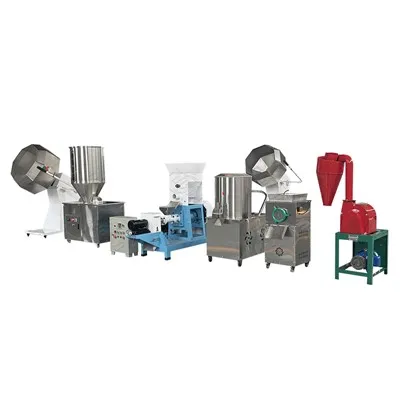
What Are the Symptoms of Four Common Faults in Small Fish Feed Extruder Machines?
Leave a message
The process of Best Pet Food Pelter Machine producing dog food
content
Fault Type 1: Motor Failure (Most common, accounting for 45% of all faults), with clear and easy-to-understand diagnostic criteria.
The motor is the core power source of the small floating fish feed extruder machine. Once damaged, the equipment cannot operate normally. The diagnostic criteria mainly include four points:
1. Failure to start: After power is connected, the equipment shows no response, indicator lights are off, and there is no operating sound. This is often due to a burnt-out motor coil, a power line fault, or a damaged motor switch. This is considered serious damage and requires replacement of the motor or repair of the wiring.
2. Immediate shutdown after starting, accompanied by a "humming" sound, and inability to operate normally. This is often due to worn or stuck motor bearings, or excessive equipment load. This is considered moderate damage and requires inspection of the bearings and cleaning of the load.
3. Abnormal noise during operation, decreased speed, and rapid increase in motor temperature. This is often due to insufficient lubrication of the motor bearings or aging coils. This is considered minor damage and requires timely lubrication and coil repair.
4. The motor casing is electrified, and touching it causes an electric shock. This is often due to damaged motor insulation and is a serious safety hazard. The machine must be stopped immediately, the motor replaced, and personnel prevented from being electrocuted.
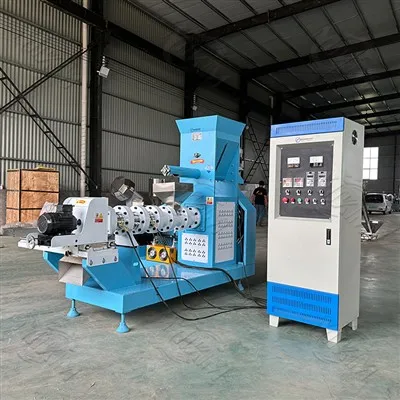

Fault Type 2: Core Component Wear (Most impactful on production, accounting for 35% of all faults), judgment criteria closely aligned with practical operation.
Core components (screw, pressure roller, die, and crushing blade) are crucial for the pellet production of the small fish feed maker machine. Their wear directly affects equipment damage. There are three main judgment criteria:
1. Screw wear: Observe the screw surface. If obvious scratches, dents, or severe thread wear prevent proper extrusion of raw materials, resulting in loose pellets and reduced production capacity, the screw is damaged and needs replacement.
2. Pressure roller wear: Wear, deformation, or sluggish rotation of the pressure roller lead to insufficient extrusion of raw materials, poor pellet formation, or even failure to form pellets, indicating damage to the pressure roller, requiring repair or replacement.
3. Die and crushing blade wear: Enlarged or clogged die or dull, chipped crushing blades result in insufficient crushing of raw materials and uneven pellet size, indicating damage to these components, requiring timely replacement of vulnerable parts.

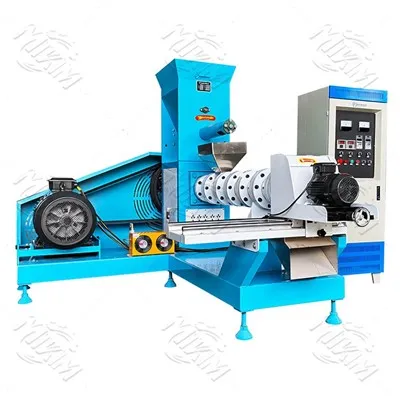
Fault Type 3: Control System Fault (Easily overlooked, accounting for 10% of all faults), with simple and intuitive diagnostic criteria.
Although the control system (temperature controller, speed regulator, switches) of the small electric fish feed extruder machine has a simple structure, faults can affect the normal operation of the equipment. The diagnostic criteria are mainly three points:
1. Temperature controller fault: The barrel temperature cannot be adjusted, or the temperature display is abnormal (the displayed temperature deviates from the actual temperature by more than 10°C), resulting in scorched pellets or poor pellet formation. This indicates that the temperature controller is damaged and needs calibration or replacement.
2. Speed regulator fault: The screw speed cannot be adjusted, or the speed fluctuates, resulting in uneven pellet size and production capacity fluctuations. This indicates that the speed regulator is damaged and needs repair or replacement.
3. Switch fault: The equipment cannot start or stop normally, or cannot stop after starting. This is mostly due to poor switch contact or damage, a minor fault that can be resolved by replacing the switch.

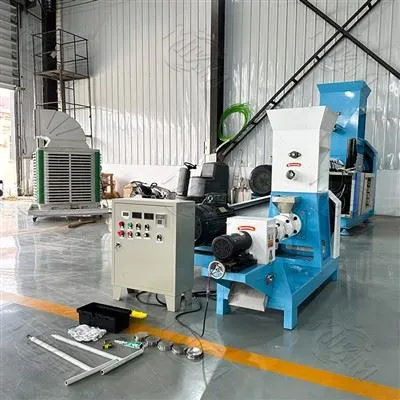
Fault Type 4: Feeding/Discharging Fault (Easy to troubleshoot, accounting for 10% of all faults), judgment criteria closely aligned with production scenarios.
While malfunctions in the feeding and discharging systems aren't considered damage to core components, they can prevent small fish feed making machines from operating normally. Over time, this will accelerate wear and tear on core components. There are four main criteria for diagnosis:
1. if the feed inlet is blocked, the raw material cannot enter the equipment normally, accompanied by abnormal noise and a decrease in speed. This is mostly due to improper raw material moisture, too many impurities, or too fast feeding speed. This is a minor fault that can be resolved by clearing the blocked raw material and adjusting the feeding speed.
2. poor discharge, where pellets cannot be discharged smoothly or the output drops sharply, is often due to die blockage or worn pressure rollers, indicating minor equipment damage. The die needs cleaning and the pressure rollers need repair.
3. leakage from the discharge port, where pellets leak from the gaps, is usually due to damaged gaskets. This is minor damage and can be resolved by replacing the gaskets.
4. uneven feeding, causing unstable operation of the floating fish feed extruder machine and fluctuations in pellet quality, is often due to a feeder malfunction, requiring feeder repair.
Finished Product Display


about Us
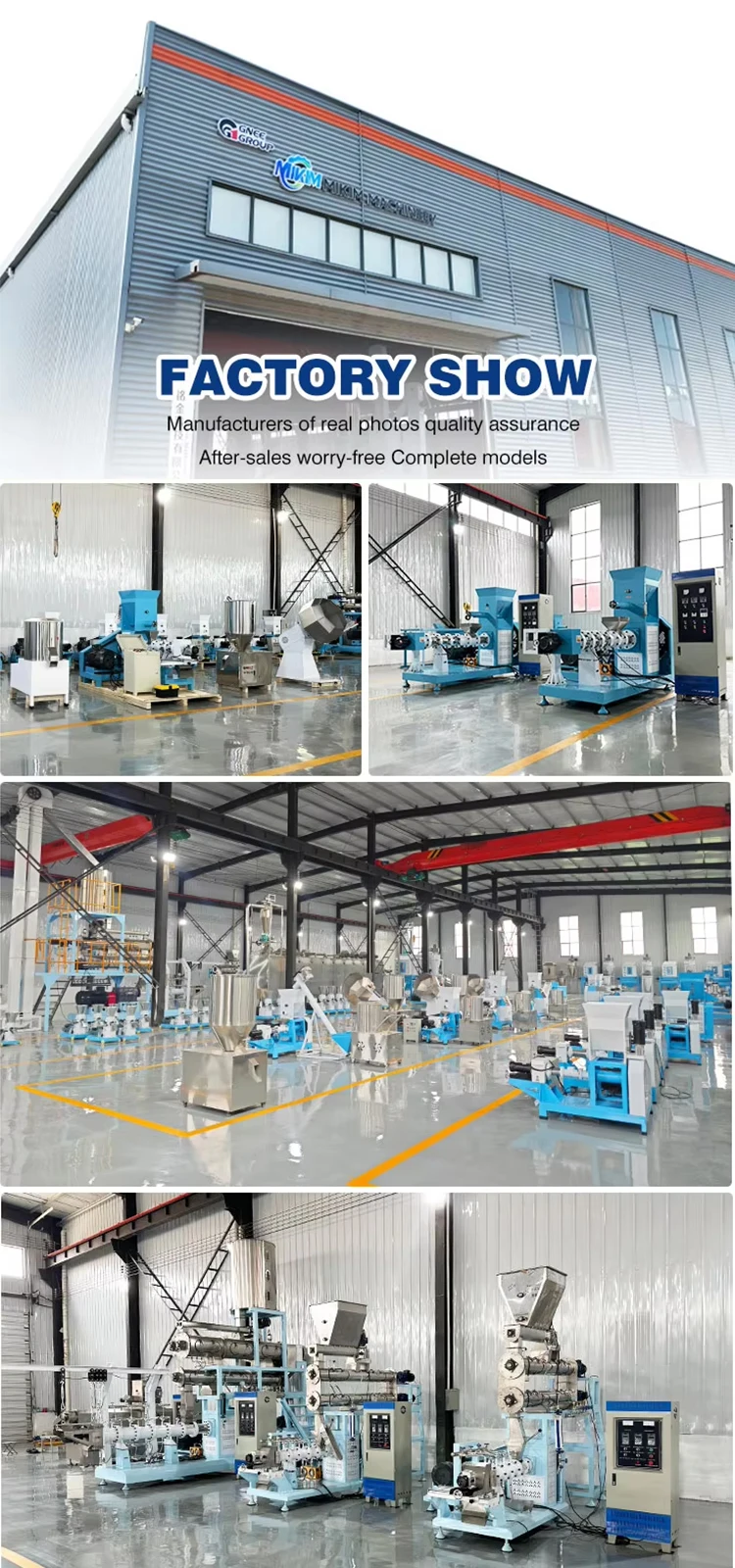
MIKIM's fish feed pellet production lines and supporting machinery offer excellent value for money. Not only are they affordable, eliminating middlemen markups and allowing small and medium-sized enterprises (SMEs) and fish farmers to purchase complete sets of equipment at reasonable costs, but they also boast exceptional efficiency.
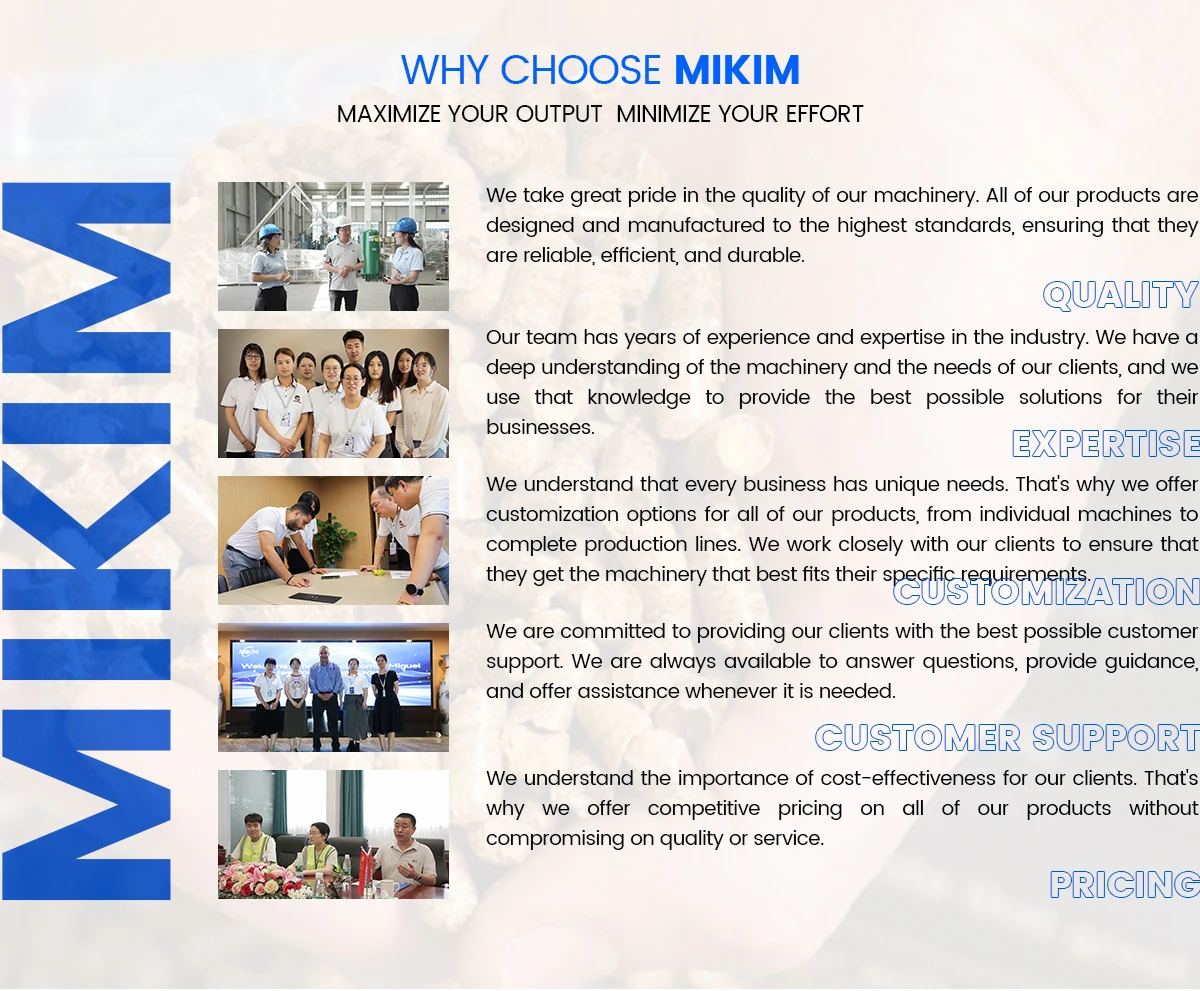
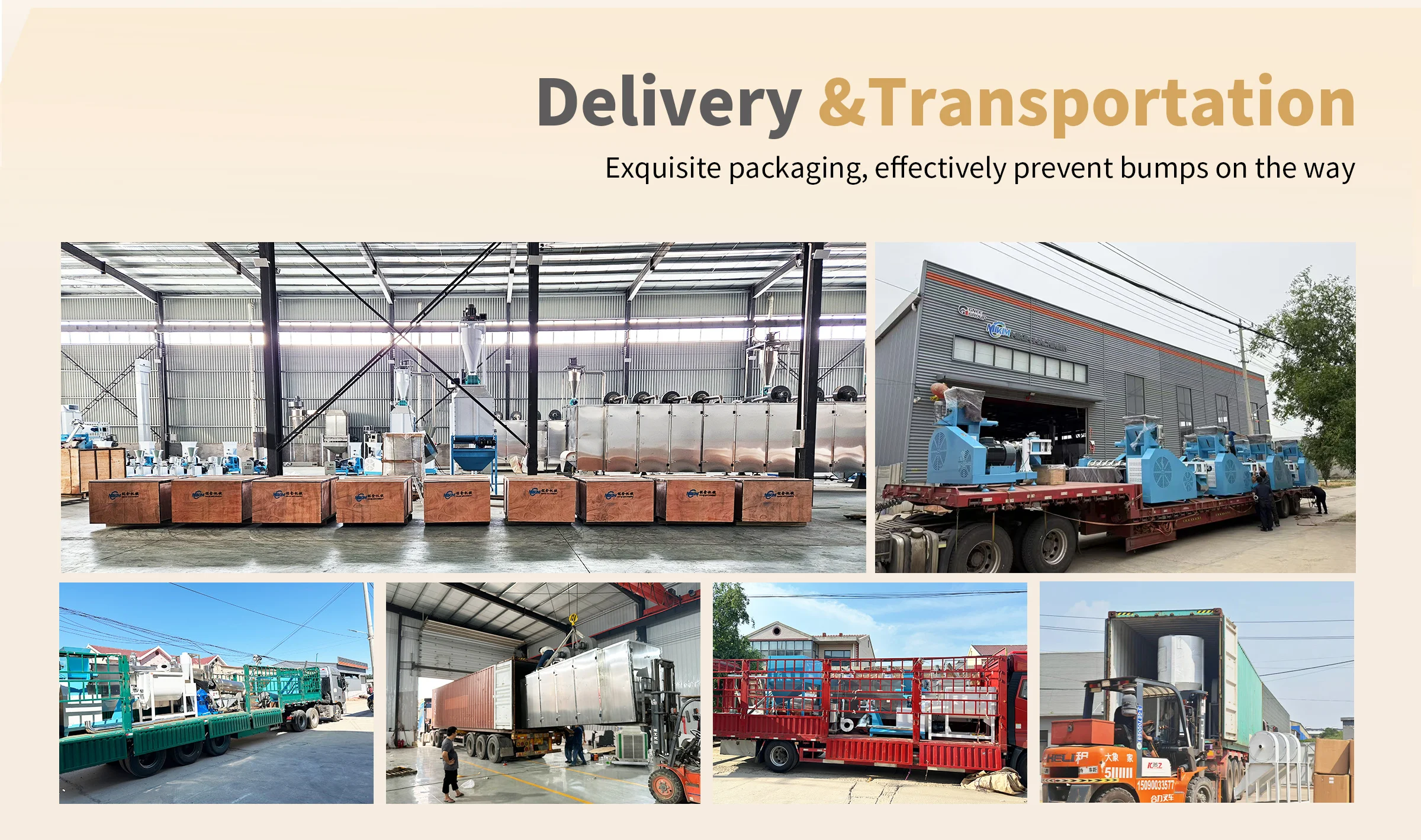
Choosing a MIKIM fish feed pellet production line means enjoying comprehensive pre-sales and after-sales service, including 24-hour online customer support, a one-year warranty on the entire machine, professional on-site installation, commissioning, and maintenance, and a stable supply of spare parts. Customers can buy with confidence and use with peace of mind, with both excellent value and service quality!!!



FAQ
1. What is the price of the floating fish feed pellet extruder machine?
The price ranges from approximately $1,500-$55,000
2. Do you provide maintenance services for your customers?
Yes, we offer comprehensive after-sales maintenance services to our customers.
To explore which twin screw pet food machine model is suitable for your product line, view our full range of equipment or contact our team for a customized production plan.