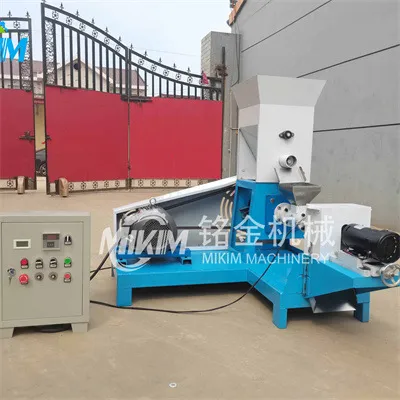
How to Check for Damage in a Floating Fish Feed Pellet Making Machine as a Beginner?
Leave a message
content
Phase 1: Pre-start Inspection - Identifying Potential Damage.
Pre-start inspection is crucial to preventing the automatic floating fish feed making machine from operating malfunctioningly and causing further damage. Beginners can follow three simple steps, requiring no special tools.
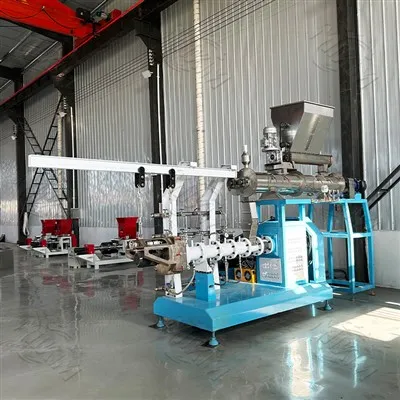
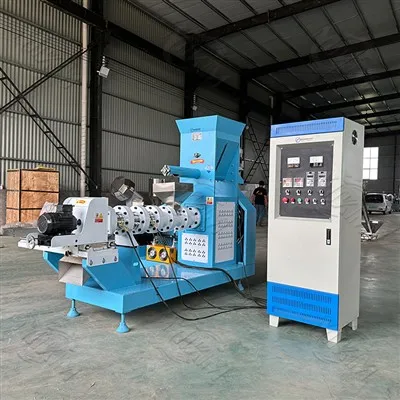
1. Visual Inspection: Visually inspect the entire machine, checking for loose bolts and nuts, damage or deformation of the outer casing, and blockages or leaks at the feed and discharge ports. If any are found, it indicates potential minor damage; tighten bolts and clear blockages.
2. Component Inspection: Gently rotate the screw and pressure roller by hand to check for smooth rotation without jamming or unusual noises. Difficult rotation or friction indicates wear or jamming, a sign of impending damage.
3. Wiring Inspection: Check for damaged or aged power lines and loose plugs. These could lead to motor malfunctions and are safety hazards; replace the wiring immediately.


Phase 2: Observation During Operation - Real-time Assessment of the Floating Fish Feed Extruder Machine's Operating Status.
After powering on, beginners can easily assess the equipment's condition using three simple actions: listening, looking, and touching. The operation is simple and precise.
1. listen to the sound: After powering on, listen to the machine's operating sound. A uniform, steady hum indicates normal operation. Sharp, jerking, or clicking noises indicate damage and require immediate shutdown and inspection.
2. look at the particles: Observe the quality of the particles at the outlet. Round, uniform particles without looseness or burnt particles indicate normal operation. Poorly formed particles, uneven size, or a burnt smell indicate a malfunction, possibly due to worn parts or incorrect parameters.
3. touch the temperature: After running the machine for 5-10 minutes, gently touch the motor, barrel, and gearbox with the back of your hand. If they feel warm (not hot), the temperature is normal. If they are hot and accompanied by abnormal noises, the equipment is damaged and requires immediate shutdown and cooling.
Phase 3: Post-Shutdown Review and Thorough Investigation of Hidden Damage.
After shutting down, beginners should conduct a simple review to identify any hidden damage missed during startup, preventing the accumulation of minor malfunctions.
1. clean and inspect the machine. Clean any residual material from the feed inlet, outlet, and die head. Check for blockages or wear in the die head orifice. If blockages persist after cleaning, the die head is damaged.
2. re-inspect components. Manually rotate the screw and pressure roller again to check for looseness or jamming. Inspect the pulverizing blades for dullness or nicks. If present, components are worn.
3. review energy consumption and production capacity. Record the energy consumption and production capacity of this production run and compare them to normal operating conditions. A sudden drop in production capacity or a sudden increase in energy consumption indicates hidden damage to the floating fish feed pellet extruder machine, requiring further investigation of the motor and core components.
Finished Product Display


about Us
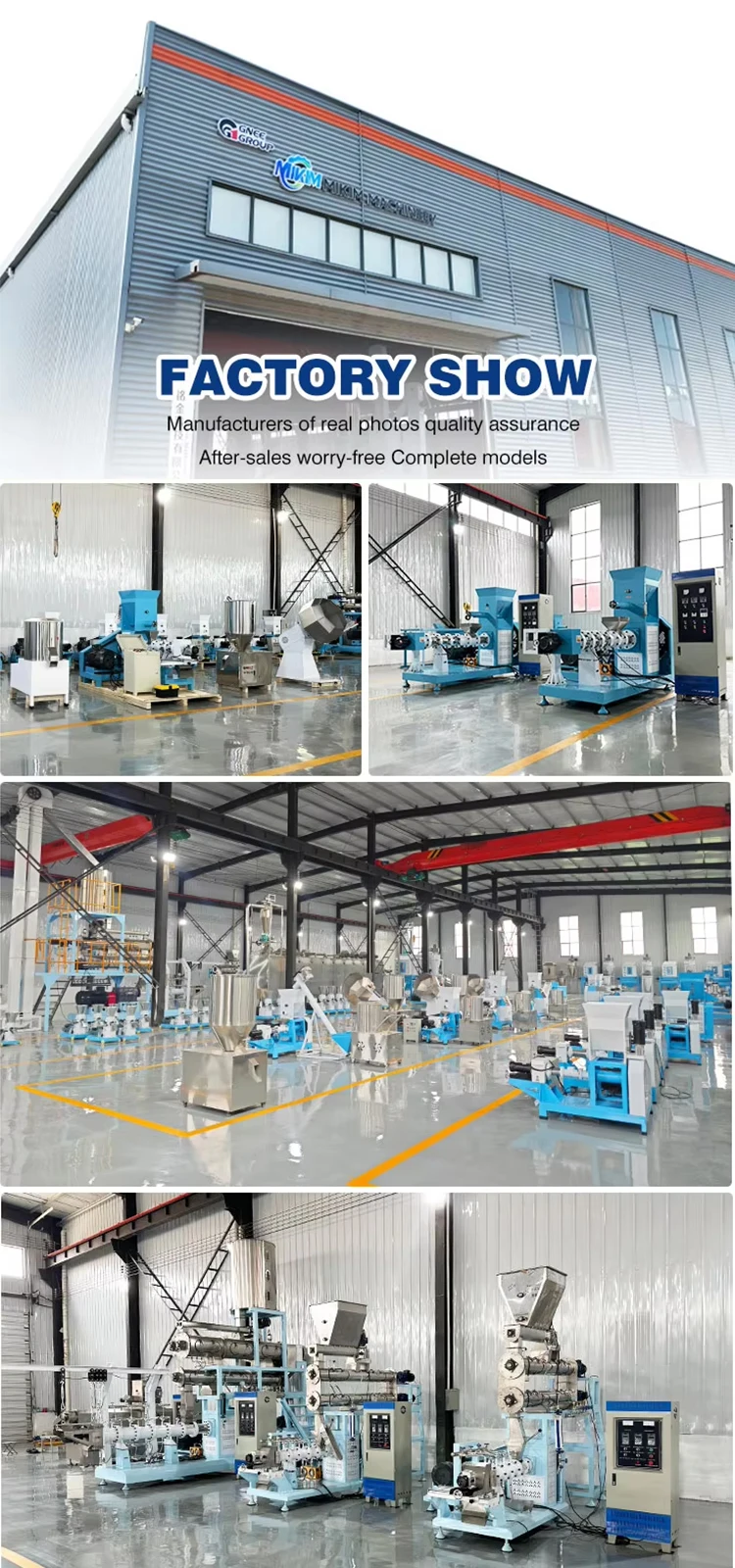
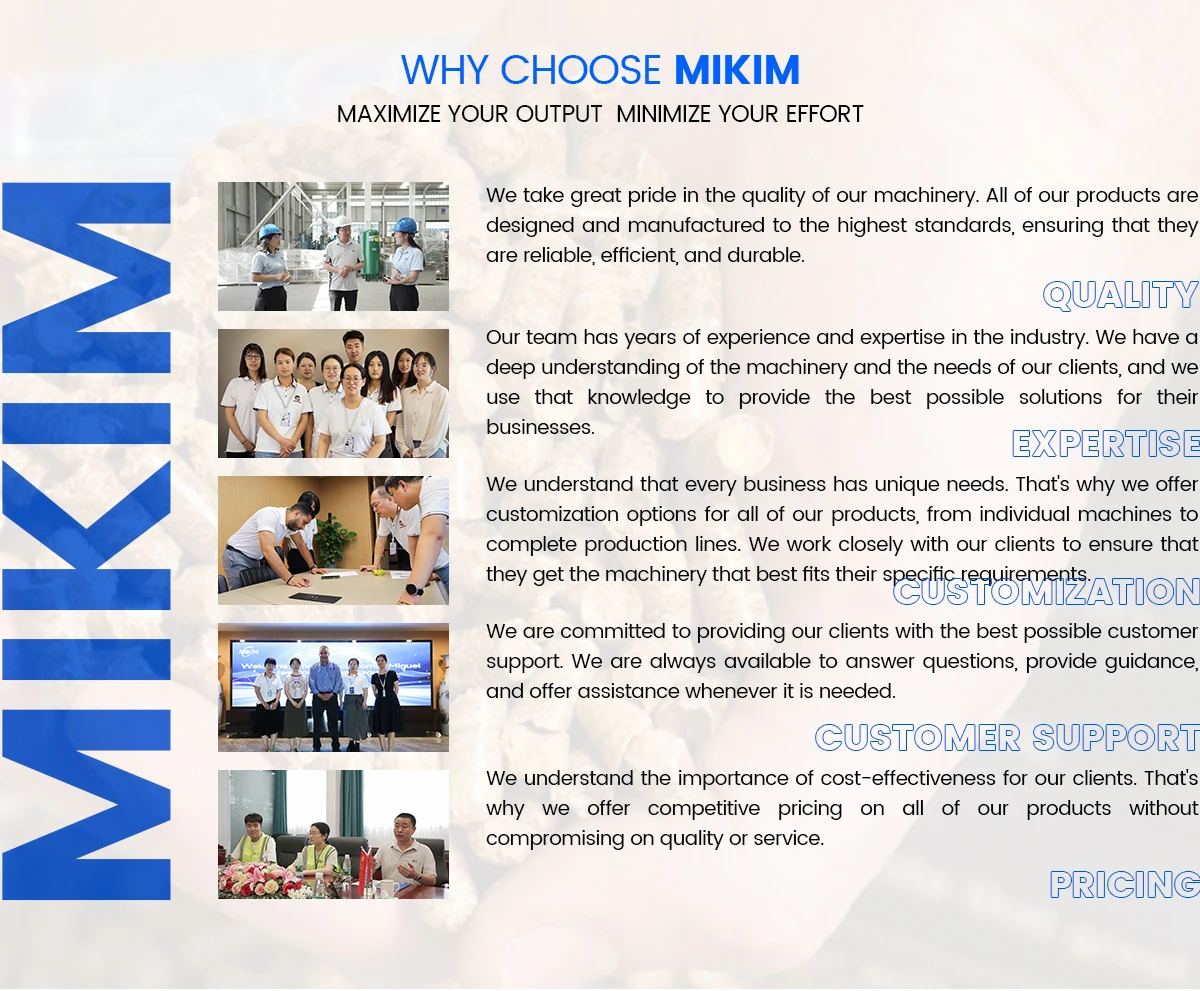
MIKIM's fish feed pellet production lines and supporting machinery offer excellent value for money. Not only are they affordable, eliminating middlemen markups and allowing small and medium-sized enterprises (SMEs) and fish farmers to purchase complete sets of equipment at reasonable costs, but they also boast exceptional efficiency.
Choosing a MIKIM fish feed pellet production line means enjoying comprehensive pre-sales and after-sales service, including 24-hour online customer support, a one-year warranty on the entire machine, professional on-site installation, commissioning, and maintenance, and a stable supply of spare parts. Customers can buy with confidence and use with peace of mind, with both excellent value and service quality!!!




FAQ
1. What is the price of the floating fish food pellet maker machine?
The price ranges from approximately $1,500-$55,000
2. Do you provide maintenance services for your customers?
Yes, we offer comprehensive after-sales maintenance services to our customers.
To explore which twin screw pet food machine model is suitable for your product line, view our full range of equipment or contact our team for a customized production plan.