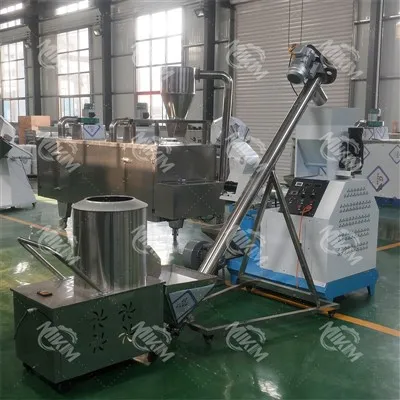
How to Prevent Feed Pellet Mill Failure with Routine Maintenance
Leave a message
Feed pellet mill failures rarely arrive without warning. In most cases they begin with a loose bolt, a dry bearing, a misaligned drive or a machine that was put away with powder still inside it. A pellet mill runs under constant vibration and load, so small defects grow quickly, and ten minutes of inspection is far cheaper than replacing a die, a shaft or a motor. The routine below covers the checks that prevent the majority of breakdowns on worm gear and ring die machines alike.
Start with Fasteners, Bearings and Moving Parts
Inspect the pellet machine and its parts on a fixed schedule. Work through the bolts, bearings and other moving parts on the worm wheel and the worm slider, and check both freedom of movement and wear. A part that is loose, pitted, discoloured or noisy should be taken out of service rather than run to the end of the shift, because a worn bearing continues to damage the shaft and the housing while it turns.
Check every fixing bolt for correct torque. Vibration loosens fasteners faster than load does.
Feel and listen to bearings in rotation. Roughness, a dry whine or visible play means replacement.
Inspect worm wheel and worm slider surfaces for scoring, pitting and uneven contact.
Confirm that guards, covers and coupling elements are complete and correctly seated.
Adjust the Drive and Belt Tension Correctly
Drive alignment is the second common source of failure. If the gear shaft moves, adjust the screws at the back of the bearing bracket until the shaft sits in its correct position; the bearings should run quietly once the interval between the parts is set properly. Turn the pulley by hand to feel the drive, then tension it correctly. A belt or chain that is too tight loads the bearings and the shaft, while one that is too loose slips, overheats and wears both the belt and the pulley groove, so either extreme can damage the machine.
Keep the Machine Clean and Dry
Keep the pellet unit in a dry room. After each production run, and whenever the machine is left idle, clean out residual powder and brush down the accessible surfaces before the machine is put away ready for the next use. Residual mash absorbs moisture from the air, sets hard around the die and roller assembly, and starts corrosion on machined faces that are difficult and expensive to restore.
Empty hoppers and the conditioning chamber at the end of the shift.
Brush out fines around the die, rollers and discharge chute.
Wipe machined and bright surfaces dry rather than leaving them damp.
Never wash down electrical panels, motors or sensors with a water jet.
Storing a Pellet Mill That Will Be Idle
If the machine will be out of use for a long period, clean it thoroughly first, then coat the smooth machined surfaces with anti-rust oil and cover the unit with a cloth canopy. Store it in a dry, ventilated place away from dripping water and aggressive fumes. Machines are far more often damaged by a long idle period with mash left inside them than by the production hours themselves.
Lubrication and Wear Part Monitoring
Follow the lubrication chart for the machine and use the specified lubricant at the specified interval. On machines with a centralised lubrication system, periodic replenishment of the reservoir is enough; on machines with individual points, every point must be reached, because one dry point will fail long before the lubricated parts wear out.
Log the running hours of the die and rollers so replacement is planned, not reactive.
Watch pellet surface quality: a glazed or crumbly pellet often signals roller-to-die clearance or worn tooling.
Keep spare bearings, belts and seals in stock so a repair is not delayed by waiting for parts.
Check incoming raw material for metal, stones and other foreign matter that can chip the die.
A Simple Maintenance Schedule
| Interval | Key activities |
|---|---|
| Every shift | Check unusual noise and vibration, clean residual powder, confirm correct feed flow |
| Weekly | Check bolt torque, bearing condition, belt or chain tension, lubrication of accessible points |
| Monthly | Inspect worm wheel, worm slider and gear shaft adjustment, examine die and roller wear |
| Before long storage | Full clean, anti-rust oil on machined surfaces, cloth cover, dry room |
Frequently Asked Questions
Q: What is the most common cause of feed pellet mill failure?
Neglected fasteners and dry or worn bearings. Vibration loosens bolts and increases load on the drive, and the resulting misalignment damages the shaft and the housing.
Q: How tight should the drive belt be?
Turn the pulley by hand and tension the belt so it drives without slipping while still allowing a small amount of deflection. Too tight overloads the bearings and too loose wears the belt and grooves.
Q: Why do the bearings become noisy?
Noise usually means the running interval between the parts has changed or the bearing has lost lubrication. Adjust the bearing bracket screws to restore the correct interval and replace any bearing that remains rough.
Q: Can the machine be stored with mash inside it?
No. Residual powder absorbs moisture, hardens and corrodes machined surfaces. Clean the machine after use and coat the smooth surfaces with anti-rust oil before long storage.
Q: How often should a pellet mill be cleaned?
Clean residual powder after every production run, and carry out a fuller clean of the die, rollers and chamber whenever the machine changes recipe or stops for more than a day.
Q: When should worn parts be replaced rather than adjusted?
Replace a part as soon as it shows pitting, cracking, deformation or a measurable loss of dimension. Adjustment only restores position, not material that has already been lost.