What are the differences in nutrient retention between pelleted feed and extruded feed
Leave a message
Different temperature and pressure conditions during the processing process result in different characteristics of nutrient retention and food safety between pellet feed and extruded feed, which is directly related to the nutritional intake effect of pets or aquatic animals.
Product advantages
The processing temperature of pellet feed is lower and the time is short, which causes less damage to heat-sensitive nutrients (such as vitamins and probiotics), and can better retain the original nutrients of the raw materials; however, the sterilization effect is relatively limited, and it mainly relies on the steam in the conditioning process to kill some microorganisms. Due to the high temperature and high pressure environment, extruded feed can be sterilized more thoroughly (can kill more than 90% of harmful bacteria and parasite eggs) and is safer. However, high temperature will cause the loss of some heat-sensitive vitamins (the loss rate can reach 10%-30%), which usually needs to be supplemented in subsequent processes. The expansion process can increase the degree of starch gelatinization (up to more than 80%, about 60% for pellet feed), which makes up for some nutritional losses to a certain extent.
Pelleted feed has limited effects on nutrient modification. The low-temperature (60–80°C) and low-pressure processing means starch gelatinization rates are only 30–50%, leaving much of the starch in its original structure-hard for animals' digestive enzymes to break down. Protein denaturation is also mild, so amino acid absorption remains similar to that of powdery feed. For fiber-rich ingredients (e.g., wheat bran), pelleting only compacts the fiber without softening or degrading it, so fiber digestibility stays low.
Extruded feed drastically improves nutrient digestibility. The high temperature, pressure, and shear force push starch gelatinization rates to 80–95%, breaking down starch molecules into more absorbable forms. Proteins are fully denatured, unfolding their complex structures to form peptides that are easier for animals to digest. Additionally, tough fiber is softened and partially degraded, reducing gut irritation and boosting fiber utilization. Studies show that extruded feed can increase livestock energy intake by 10–15% and protein absorption by 8–12% compared to pelleted feed.
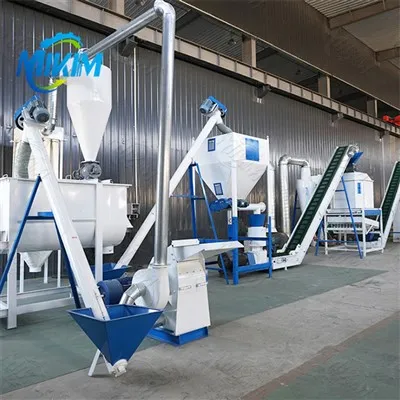
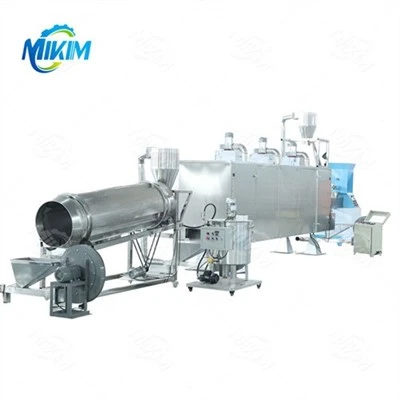
Equipment pictures of poultry pellet production line and extruded feed production line


Finished product display


FAQ
1. What is the prices of poultry pellet production lines and extruded feed production lines?
The price ranges from approximately $15,000-$60,000
2. Do you provide maintenance services for your customers?
Yes, we offer comprehensive after-sales maintenance services to our customers.
For more information on process flow design, equipment layout, factory construction plans, individual equipment pricing, or turnkey project proposals, please feel free to contact us!!!