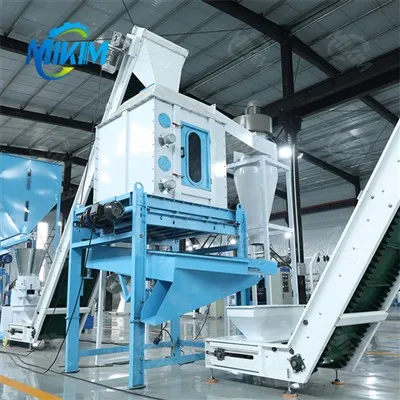
Typical Issues with dog food pellet machine
Leave a message
content
Common Problem 1: Loose, hollow pellets with substandard water resistance
This quality issue is directly related to a problem with the puffing control of the dog food pellet maker machine, often caused by excessively low temperature, insufficient pressure, or screw wear. When the extruder temperature is below 120℃, the material is not fully cooked, resulting in a loose internal structure of the pellets; insufficient pressure (below 4MPa) prevents the material from being fully extruded, leading to hollow pellets; severe screw wear and uneven extrusion force also result in uneven pellet density and a loose pellet structure. Actual test data shows that this type of fault can reduce the water resistance of the pellets to less than 1 hour (the industry standard is 2-4 hours), causing them to easily disintegrate after being consumed by pets, increasing feed waste by more than 20%. Corrective measures: Adjust the extruder temperature to 120-160℃ and the pressure to 4-6MPa, and calibrate the parameters; check the screw wear and repair or replace it promptly; optimize the raw material ratio, increasing the proportion of binding materials.
Common Problem 2: Uneven Pellet Color and Unpleasant Odor, Posing Hygiene Risks
These problems are often caused by incomplete cleaning of the dog food extruder machine, scale buildup on the heating elements, or moldy materials, and are core issues affecting pet food safety. If residual material in the screw, barrel, and die of a twin-screw extruder is not cleaned promptly, it will mold and harden. When mixed with new raw materials, this will lead to uneven pellet color, black spots, and a moldy odor. Excessive scale buildup on the heating elements will cause uneven heating, localized overheating and carbonization of the material, also producing a burnt odor. Troubleshooting Method: Stop the extruder and disassemble it to check for residual material and mold on core components; check the surface of the heating elements for scale and clean it promptly if present; check the freshness of the raw materials and avoid using moldy materials. Corrective Measures: Strictly implement daily cleaning procedures to thoroughly clean equipment residue; regularly clean scale buildup on the heating elements at least once a month; establish a raw material inspection mechanism, and prohibit the use of substandard raw materials in production.
Common Problem 3: Severe Nutrient Loss in Pellets, Failing to Meet Industry Standards
This type of problem is often caused by excessively high temperatures and prolonged curing times in dog food pellet making machines. Twin-screw extruders use high-temperature, short-time curing technology. If the temperature exceeds 160℃ or the curing time is too long, it will lead to a significant loss of heat-sensitive nutrients (vitamins, amino acids) in the raw materials, while excessive protein denaturation will affect pets' digestion and absorption. Actual test data shows that when the temperature exceeds 170℃, vitamin retention rate decreases by more than 50%, and protein digestibility and absorption rate decreases by more than 15%, failing to meet the "Safety Limits for Pet Food" standards. Rectification methods: Calibrate the extruder's temperature sensor to control the temperature between 120-160℃; adjust the screw speed to shorten the material's residence time in the extrusion chamber (controlling it to 30-60 seconds); adopt post-addition technology to mix heat-sensitive nutrients (such as probiotics and vitamins) into the pellets after extrusion to maximize nutrient retention.
Related equipment


Finished Product Display

about Us
MIKIM's fish feed pellet production lines and supporting machinery offer excellent value for money. Not only are they affordable, eliminating middlemen markups and allowing small and medium-sized enterprises (SMEs) and fish farmers to purchase complete sets of equipment at reasonable costs, but they also boast exceptional efficiency. The fully automated process, from raw material crushing and precise ingredient mixing to extrusion pelleting and maturation, is completed in one continuous flow. This results in high starch gelatinization rates and uniform pellet formation, significantly improving production efficiency and feed quality, truly achieving "low cost, high output." Choosing a MIKIM fish feed pellet production line means enjoying comprehensive pre-sales and after-sales service, including 24-hour online customer support, a one-year warranty on the entire machine, professional on-site installation, commissioning, and maintenance, and a stable supply of spare parts. Customers can buy with confidence and use with peace of mind, with both excellent value and service quality!!!
Customer visit

Certificate of Honor

FAQ
1. What is the price of the Twin screw fish feed extruder machine?
The price ranges from approximately $1,500-$55,000
2. Do you provide maintenance services for your customers?
Yes, we offer comprehensive after-sales maintenance services to our customers.
To explore which twin screw pet food machine model is suitable for your product line, view our full range of equipment or contact our team for a customized production plan.