


Utilizing a feed pellet production line, the poultry animal feed pellet processing machine project
Leave a message
Product introduction
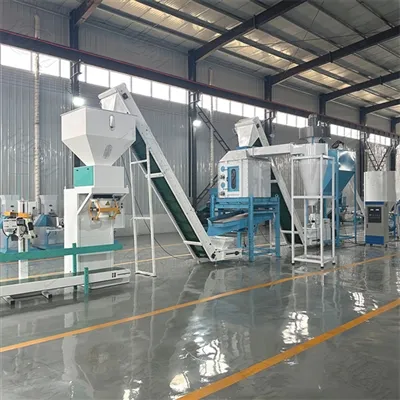
This production line consists of an animal feed pellet mill, a spiral elevator, and a mixing integrated machine. The raw components are mixed using the mixing integrated machine. The feed pellets are made from a variety of materials. The discharge port is opened to release the material into the spiral elevator once the mixing machine has finished mixing the raw materials.
A common piece of equipment for moving materials from below to above is a spiral elevator, which uses spiral blades. Spiral blades, bearings, motors, and other parts are among the primary parts. From below, the material enters the spiral elevator's feed port. The spiral blades drive the material upward along their rotational path, eventually leading it to the discharge port. In order to send the material to the feed pellet machine, it must constantly travel higher while being subjected to the forces of gravity and the spiral blades.


Product parameters
| Model | 125 | 150 | 210 | 260 | 300 | 400 |
| Capacity (kg/h) |
50-80 | 80-150 | 200-300 | 400-600 | 700-1000 | 1500-2000 |
| Electric Power(kw) | 4 | 4.5 | 7.5 | 15 | 22 | 37 |
| Qty of rollers | 2pcs | 2pcs | 2pcs | 3pcs | 4pcs | 4pcs |
| Die Diameter(mm) | 138 | 138 | 198 | 248 | 298 | 398 |
| Weight(kg) | 70 | 76 | 160 | 300 | 375 | 650 |
| Overall Size(cm) | 64*28*75 | 64*28*78 | 85*36*91 | 107*42*105 | 130*51*121 | 150*60*180 |
Product advantages
The New Poultry Pellet Feed Production Line extends the shelf life of feed and reduces storage and transportation costs. Powdered feed has a low density (approximately 0.5-0.6g/cm³) and large gaps between particles, making it susceptible to moisture absorption, insect infestation, and mildew. Its shelf life at room temperature is only 15-20 days. However, pelleted feed, after extrusion, has a density of 1.2-1.4g/cm³. These gaps are small, making it difficult for moisture to penetrate. High-temperature pelleting kills most mold spores, extending its shelf life to 30-45 days at room temperature (over 60 days at low temperature). The mildew rate is reduced from 5%-10% of powdered feed to 1%-2%, minimizing feed waste losses. In addition, the volume of pellet feed is only 50%-60% of that of powdered feed, saving more than 40% of storage space, and reducing the freight cost per ton of feed by 50% (for example, the transportation cost of 1,000 kilometers is reduced from 80 yuan/ton to 40 yuan/ton), making it particularly suitable for long-term storage and cross-regional transportation in large-scale farms.
Finished product display


FAQ
1. What is the price of the farm feed pellet production line?
The price ranges from approximately US$11,000.00-45,000.
2. Do you provide maintenance services for your customers?
Yes, we offer comprehensive after-sales maintenance services to our customers.
For more information on process flow design, equipment layout, factory construction plans, individual equipment pricing, or turnkey project proposals, please feel free to contact us!!!


