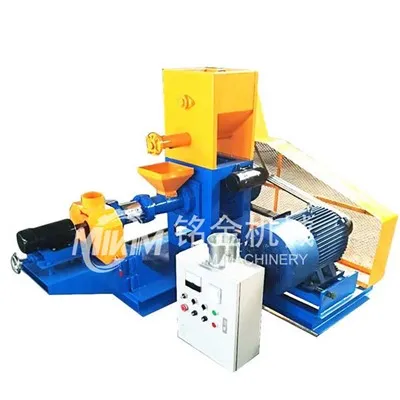
What Are the Advantages of wet pet food processing machines?
Leave a message
content
The low-temperature extrusion characteristic maximizes the retention of heat-sensitive nutrients. During processing in a wet dog food production machine, saturated steam is injected into the extrusion chamber via a steam system, first wetting and heating the raw materials to 80-100℃, then achieving slight extrusion through screw extrusion. The overall temperature is more than 30% lower than that of dry extruders (120-160℃). This low-temperature condition effectively reduces the loss of heat-sensitive components such as vitamins, enzymes, and probiotics, achieving a nutrient retention rate of over 85%, while the retention rate of heat-sensitive components in dry extruders is only 70%-75%. For example, in producing aquatic feed containing probiotics, wet extruders can increase the retention rate of probiotic activity by 20%-25%, significantly enhancing the feed's immunomodulatory function, while the high temperature of dry extruders leads to a large amount of probiotic inactivation. Simultaneously, the low temperature avoids excessive starch gelatinization and protein scorching in the raw materials, reduces the formation of harmful substances such as heterocyclic amines, and improves feed safety.
Steam humidification optimizes nutrient conversion and absorption. The steam humidification process in wet dog food processing machines not only lowers the extrusion temperature but also ensures even moisture distribution in the raw materials. This allows for gentler and more complete starch gelatinization and protein denaturation, achieving a starch gelatinization degree of 75%-80%. This guarantees palatability and digestibility without damaging the nutritional structure due to over-processing. Compared to dry extruders that rely on the friction of the raw materials' own moisture to generate heat, the steam humidification in wet fish feed extruders ensures more even pressure on the raw materials within the extrusion chamber, resulting in more thorough nutrient mixing and preventing nutrient loss and waste caused by localized overheating. Furthermore, the high temperature of steam helps kill harmful microorganisms such as E. coli and Aspergillus flavus in the raw materials, achieving a kill rate of over 90%. Combined with the low-harmful substance generation advantage of low-temperature extrusion, this provides double protection for feed safety and reduces the incidence of diseases in farmed animals.
Suitable for high-end feed applications, it overcomes the shortcomings of ordinary extruders. In high-end applications such as feed for young animals, specialty aquatic feed, and functional feed, the requirements for nutritional integrity and safety are extremely high. Dry extruders, with their limitations in high-temperature processing, cannot meet these demands, while wet floating fish feed machines effectively fill this gap. For example, when producing starter feed for fish fry, wet extruders retain core nutrients such as unsaturated fatty acids and vitamin C, while controlling pellet hardness and porosity to suit the delicate digestive systems of fish fry. In the production of high-end pet food, they preserve the flavor compounds and nutritional activity of meat ingredients, enhancing palatability and nutritional value. This advantage has led to wet extruders having a significantly higher market share in the high-end feed market than dry extruders, making them a core piece of equipment for high-quality feed production.
Related equipment


about Us
MIKIM's fish feed pellet production lines and supporting machinery offer excellent value for money. Not only are they affordable, eliminating middlemen markups and allowing small and medium-sized enterprises (SMEs) and fish farmers to purchase complete sets of equipment at reasonable costs, but they also boast exceptional efficiency. The fully automated process, from raw material crushing and precise ingredient mixing to extrusion pelleting and maturation, is completed in one continuous flow. This results in high starch gelatinization rates and uniform pellet formation, significantly improving production efficiency and feed quality, truly achieving "low cost, high output." Choosing a MIKIM fish feed pellet production line means enjoying comprehensive pre-sales and after-sales service, including 24-hour online customer support, a one-year warranty on the entire machine, professional on-site installation, commissioning, and maintenance, and a stable supply of spare parts. Customers can buy with confidence and use with peace of mind, with both excellent value and service quality!!!
Customer visit

Certificate of Honor

FAQ
1. What is the price of the wet fish feed pellet processing machine?
The price ranges from approximately $1,500-$55,000
2. Do you provide maintenance services for your customers?
Yes, we offer comprehensive after-sales maintenance services to our customers.
If you would like to learn more about MIKIM machinery, please contact us. We offer one-stop service and welcome your inquiries!!!