


What are the criteria for selecting a processing line for high-protein sinking feed ?
Leave a message
Shrimp have very different diets at different growth stages. Juvenile shrimp are small and thrive on small pellets (0.8-1.2 mm in diameter) that can remain suspended in the water for an extended period to ensure easy access. Adult shrimp, on the other hand, require larger pellets (2-3 mm in diameter) that don't easily disperse in the water. If the production line cannot produce suitable pellets, juvenile shrimp will be unable to eat them due to their size, while adult shrimp will experience excessive feed dissolution and waste, and the process will also pollute the water.
Key Selection Factors
Raw Material Processing: Choosing the Right Equipment is Key to Utilizing High-Protein Raw Materials
1. Raw Material Cleaning Equipment: A combination of a double-layer vibrating screen and a magnetic separator is recommended. The vibrating screen effectively removes impurities from fishmeal and meat and bone meal, while the magnetic separator uses 12,000 gauss of magnetic force to attract and remove metal fragments from the raw materials. This not only ensures safe feeding for California bass but also extends the equipment's lifespan.
2. Mixer: A zero-gravity mixer is more reliable. It mixes high-protein raw materials like fishmeal and soybean meal with additives such as lysine very evenly, with a nutrient distribution error of no more than 5%, preventing uneven nutrient distribution in the feed.
Sinkability and Hardness Control: Key Equipment and Process Selection
1. Pelletizer: A high-pressure ring die pellet mill is recommended. Adjust the pressure roller pressure to 0.8-1.0 MPa and set the ring die length-to-diameter ratio to 1:15. This method produces high-density feed pellets, at least 1.1 grams per cubic centimeter, allowing them to sink quickly. They also have sufficient hardness, able to withstand at least 4 kg of pressure and remain intact even after soaking in water for 3 hours.
2. Post-processing: This involves using a pellet polisher and a cooler. The polisher removes surface powder, making the feed smoother; the cooler quickly lowers the feed to room temperature, preventing excessive heat from affecting hardness and further ensuring fast sinking and good soaking resistance.
Scale Adaptation: Choose the production line according to the scale of aquaculture.
1. Small-scale pond aquaculture (under 30 mu): A small-scale sinking feed production line is sufficient, producing 1-1.5 tons of feed per hour, with an equipment investment of 400,000-500,000 RMB. This equipment has complete core functions, is easy to operate, and does not require a complex automation system.
2. Large-scale factory farming (over 1000 square meters): A medium-sized automated production line is recommended, with a capacity of 3-5 tons per hour, and an investment of 800,000-1,000,000 RMB. The production line is equipped with an automatic batching and storage system, which can continuously supply feed to meet the needs of high-density farming.



Why Choose Us
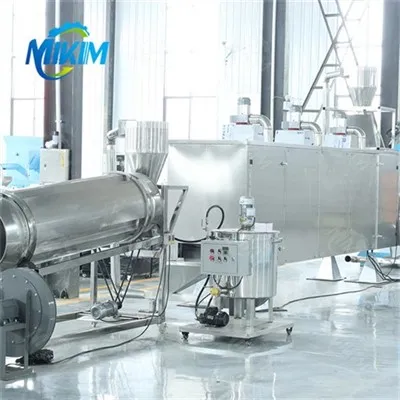
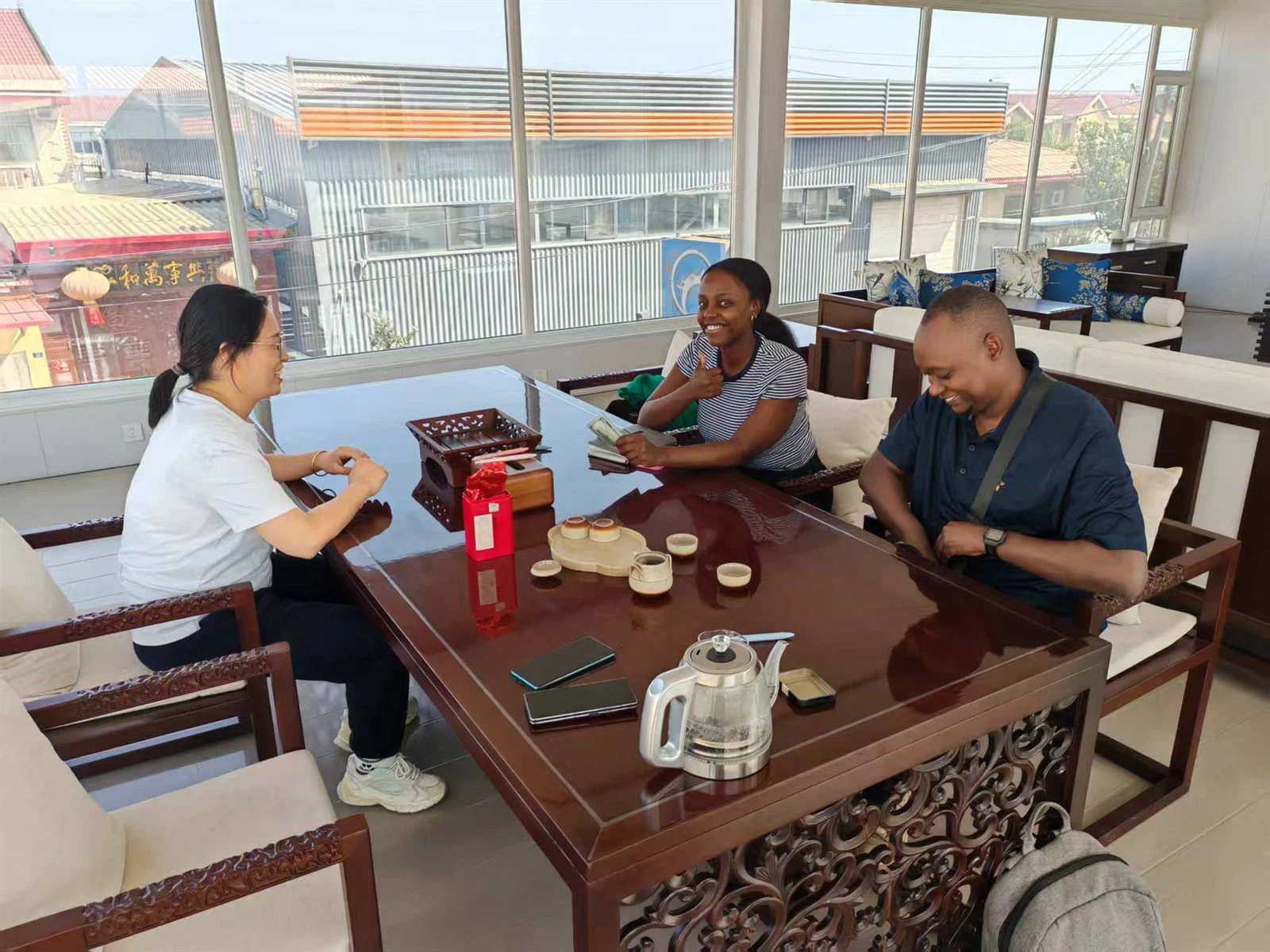
MIKIM boasts extensive experience in poultry feed pellet production lines, significantly reducing the incidence of poultry diseases. Its equipment is not only widely used across various industries domestically but also exported to Southeast Asia, Europe, Africa, and South America, earning a high reputation internationally. This global presence not only demonstrates the adaptability and competitiveness of its products, but also demonstrates the company's experience in adapting to diverse market standards and logistics conditions, enabling it to provide a stable supply chain for its overseas customers. Whether serving large domestic farms or cross-border feed companies, MIKIM can leverage its global service network to ensure a consistent, high-quality experience.
For more information on process flow design, equipment layout, factory construction plans, individual equipment pricing, or turnkey project proposals, please feel free to contact us!!!
FAQ
1. What is the price of the dry type fish food extruder line?
The price ranges from approximately $10,000-$22,800
2. Do you provide maintenance services for your customers?
Yes, we offer comprehensive after-sales maintenance services to our customers.


