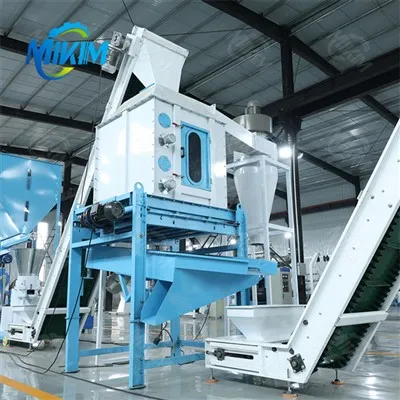
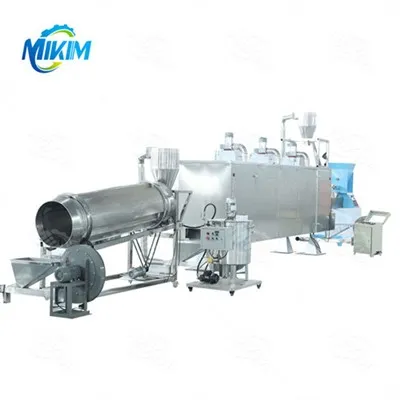
What are the essential components of a combined production line for small-batch aquatic feed and pet food pellets?
Leave a message
Many small-scale farmers or pet shops want to produce both aquatic feed (for example, to feed fish in their own ponds) and cat and dog food (for example, to sell their own homemade pet food), but they don't have the budget to buy two production lines. In this case, a "shared production line" is very suitable – it can produce two types of feed simultaneously by changing parts and adjusting parameters. The key is to choose the right compatible components.
Core components and functions
General Use: No need to change, can be used for both types of feed.
Small Cleaning Machine: Whether it's corn and soybean meal for aquatic feed or grains and meat meal for pet feed, it can be used to sift out impurities and absorb metal. It's small in size (1-2㎡), suitable for small-batch production.
Multi-functional Mixer: Capacity 50-100kg/batch, can mix powdered raw materials for aquatic feed as well as meat paste and powder for pet feed. As long as it's cleaned thoroughly (brushed with a brush each time you change the feed), there will be no cross-contamination of flavors.
Small Cooler: Can be used to cool both aquatic pellets and pet pellets. The cooling airflow is adjustable (longer cooling time for aquatic pellets, shorter for pet pellets), small in size, and easy to operate.
Replaceable Parts: Changing parts allows you to switch feed types.
Grinder (Replaceable Screen): Use an 80-mesh screen (for fine grinding) for floating aquatic feed; a 40-mesh screen (for coarse grinding) for sinking aquatic feed; a 100-mesh screen (for fine grinding) for dry pet food; no screen needed for wet pet food (directly crushes meat), screen replacement takes only 5-10 minutes, very convenient.
Forming Machine (Replaceable Mold/Head): For floating aquatic feed, install an extrusion head + floating mold; for sinking aquatic feed, install a high-pressure pelleting head + sinking ring die; for dry pet food, install a twin-screw extruder head + cat/dog food mold; for wet pet food, install an enema head + wet food mold. Changing the head requires 30 minutes.
Auxiliary Components: Suitable for small-batch production.
Manual Feeder: For small-batch production (1-2 tons per day), automatic feeding is not required. Manually pour the raw materials into the machine, saving costs. It is small and easy for women to operate.
Small Packaging Scale: Can weigh 25kg/bag (aquatic food) and 100g/bag (small pet food packaging). The weight is adjustable; manual bagging is sufficient, eliminating the need to purchase a dedicated packaging machine.


Why Choose Us
MIKIM boasts extensive experience in poultry feed pellet production lines, significantly reducing the incidence of poultry diseases. Its equipment is not only widely used across various industries domestically but also exported to Southeast Asia, Europe, Africa, and South America, earning a high reputation internationally. This global presence not only demonstrates the adaptability and competitiveness of its products, but also demonstrates the company's experience in adapting to diverse market standards and logistics conditions, enabling it to provide a stable supply chain for its overseas customers. Whether serving large domestic farms or cross-border feed companies, MIKIM can leverage its global service network to ensure a consistent, high-quality experience.
For more information on process flow design, equipment layout, factory construction plans, individual equipment pricing, or turnkey project proposals, please feel free to contact us!!!
FAQ
1. What is the price of the fish feed extruder pellet feed production line?
The price ranges from approximately $10,500-$34,000
2. Do you provide maintenance services for your customers?
Yes, we offer comprehensive after-sales maintenance services to our customers.