


What are the stages in a production line for creating wet dog food pellets?
Leave a message
Wet dog food pellets (such as soft canned dog food pellets or semi-wet food) have a high moisture content (generally 30%-50%), a soft texture, and need to be durable for storage. The production line for these pellets is different from that for dry food; it requires a special "moisture retention" and "sterilization" section. Without these, the wet food will either mold quickly or be too hard for dogs to eat.
Core components and functions
Raw Material Processing: Suitable for the Soft Texture of Wet Food"
Meat Shredder: Shreds fresh meat (such as beef or duck) or frozen meat (thawed beforehand) into 1-2cm pieces. Don't make them too fine; retain some texture for a chewier feel for your dog.
Vegetable Chopper: Chops vegetables like carrots and potatoes into 5mm cubes and mixes them with the meat. This ensures each kibble contains both meat and vegetables for a balanced diet. Larger pieces will affect the kibble's shape.
Mixing and Seasoning: Soft Texture + Good Taste
Vacuum Blender: Place the diced meat, diced vegetables, a small amount of flour (for binding), salt, and flavoring into a vacuum container and blend. Remove air (to prevent oxidation and spoilage) to create a thick paste. This prevents the kibble from crumbling and helps retain moisture.
Moisturizer Additive: Add a small amount of moisturizer (such as glycerin) to the mixture to keep the wet food kibble soft and prevent it from hardening after a few days. The amount added should be carefully controlled (generally 1%-2%); too much is not good for your dog.
Forming and Sterilization Section: Produces soft pellets + prevents mold growth
Sausage-type forming machine: Extrudes the thick paste-like raw material into cylindrical pellets (8-10mm in diameter, 10-15mm in length), like small sausages. This forming method retains moisture, resulting in soft pellets that are easy for dogs to chew.
High-temperature sterilization machine: Places the formed pellets into a sterilization tank and boils them in 85-90℃ hot water for 15-20 minutes to kill bacteria (such as E. coli). This allows the wet food to be stored for 3-6 months (if sealed), preventing diarrhea in dogs.
Cooling and Packaging Section: Convenient for storage and feeding
Cold Water Cooler: The sterilized pellets are very hot (70-80℃). They are quickly cooled to below 30℃ with cold water to prevent residual heat from spoiling the pellets. After cooling, drain off the excess water to prevent water droplets from remaining in the packaging.
Vacuum Packaging Machine: The cooled pellets are bagged, air is removed, and the packaging is sealed to prevent mold growth. Packaging sizes include small bags (e.g., 100g/bag, for one-time feeding) or large bags (500g/bag, refrigerated after opening).


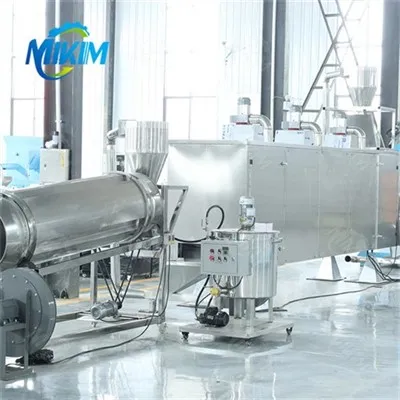

Why Choose Us
MIKIM boasts extensive experience in poultry feed pellet production lines, significantly reducing the incidence of poultry diseases. Its equipment is not only widely used across various industries domestically but also exported to Southeast Asia, Europe, Africa, and South America, earning a high reputation internationally. This global presence not only demonstrates the adaptability and competitiveness of its products, but also demonstrates the company's experience in adapting to diverse market standards and logistics conditions, enabling it to provide a stable supply chain for its overseas customers. Whether serving large domestic farms or cross-border feed companies, MIKIM can leverage its global service network to ensure a consistent, high-quality experience.
For more information on process flow design, equipment layout, factory construction plans, individual equipment pricing, or turnkey project proposals, please feel free to contact us!!!

FAQ
1. What is the price of the dog feed pellet production line?
The price ranges from approximately $10,500-$34,000
2. Do you provide maintenance services for your customers?
Yes, we offer comprehensive after-sales maintenance services to our customers.


