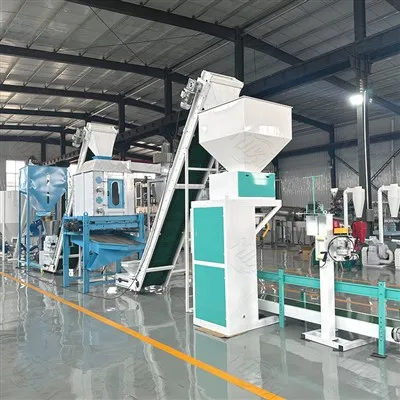
How to Choose a Feed Pellet Production Line: Capacity, Automation and Cost
Leave a message
A feed pellet production line turns grain, soybean meal and crop straw into finished feed pellets through a continuous sequence of grinding, conveying, mixing, pelleting, cooling and packing. Because the purchase commits capital for many years, the decision should be made against production targets, the animal species served and the total cost of ownership rather than the lowest quotation alone.
What a Complete Line Contains
Knowing the standard equipment scope makes quotations comparable, because a low price often reflects missing stages that must be bought later.
A hammer mill that grinds grain, straw and soybean meal into powder of the required fineness.
Screw conveyors that move grain and powder in a sealed and hygienic way, reducing dust and spillage.
A mixer that blends the powdered raw materials and micro-ingredients evenly before pelleting.
The pellet machine itself, with dies that set the pellet diameter.
A counterflow cooler that lowers pellet temperature and moisture evenly after pelleting.
A packing system with automatic weighing and bag sewing for finished product.
Matching Capacity and Automation to Real Demand
Rated capacity should match the planned production volume with a reasonable margin for growth, but the rating is only valid under the conditions for which it was measured. A line rated at a given output in tons per hour will not reach that figure if raw material quality, formula or operating conditions differ from the design values, so oversized equipment is a common source of wasted capital and inefficient part-load running.
Automation is the second decisive factor. Modern lines use control systems for batching, dosing and monitoring, which reduce manual labour, lower the risk of human error and make it possible to follow the process with real-time data. Automation is no longer reserved for large factories: small and medium plants also benefit when the scale of the system matches their operation.
Budget, Operating Cost and Return on Investment
Purchase price is only one part of the budget. Operating cost includes electricity, labour, steam and wear parts, and maintenance cost covers dies, rollers, hammers and screens that are consumed in normal production. Return on investment depends on how quickly the line generates benefits, which in turn depends on output, energy consumption, labour requirements and downtime.
Cheap equipment that runs poorly can therefore cost more over its service life than a slightly more expensive line with stable performance. Comparing lines on energy per ton, wear part life and expected uptime gives a clearer picture than comparing headline prices, and the comparison should cover several years of operation rather than the first year.
Selection Checklist Before Signing
| Item | What to verify |
|---|---|
| Rated capacity | Tons per hour and the exact test conditions under which the figure was measured |
| Equipment scope | Grinding, conveying, mixing, pelleting, cooling, packing and control system included or excluded |
| Power supply | Voltage, frequency and phase matched to the local grid and to the installed motor power |
| Pellet size range | Dies supplied and the diameter range, typically 1 to 12 mm by changing dies |
| Installation support | Drawings, layout design, on-site commissioning and operator training |
| After-sales terms | Spare parts availability and lead time, warranty period and service response channel |
Common Misconceptions
Bigger capacity is not automatically better, because an oversized line wastes capital and runs inefficiently below its rated load; the right capacity follows real market demand with a sensible margin. Automation is not only for large factories, since automated batching and monitoring help small and medium plants reduce labour and improve consistency. And the cheapest quotation is not necessarily the best deal, because total cost includes energy, maintenance and downtime.
Frequently Asked Questions
Q: How many workers does a feed pellet line need?
It depends on automation level and capacity. Highly automated lines for large commercial plants may run with only a few operators, while simpler lines need more manual handling, and labour is part of the operating cost to compare.
Q: Can one line produce feed for different animals?
Yes, within limits. With adjustable dies and formula changes, a line can make poultry, livestock and some aquatic feeds. Dedicated lines may be needed when products differ greatly in particle size or processing requirements.
Q: What particle sizes can a pellet line produce?
Typical lines cover a range such as 1 to 12 mm pellet diameter by changing dies. The exact range depends on the machine model and the die specifications supplied with it.
Q: Should individual machines or a complete line be purchased?
A complete line from one supplier simplifies design, layout and commissioning and ensures the stages are matched to each other. Buying machines separately requires careful integration planning and clear responsibility for performance.
Q: What should be checked before signing the contract?
Verify the rated capacity and its test conditions, the included components, power requirements, delivery scope, installation support, spare parts policy and warranty terms, all in writing.
Q: How is the payback period estimated?
Compare the annual output value with the sum of energy, labour, maintenance and raw material costs, then measure the line's cost per ton. The payback period is the investment divided by the annual net benefit under realistic operating hours.