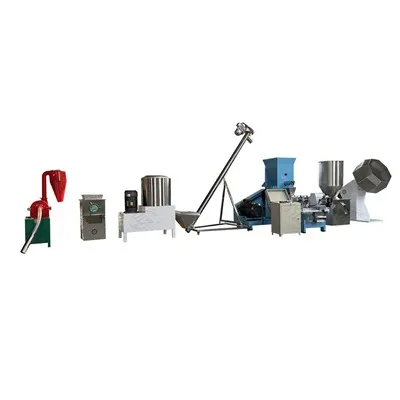
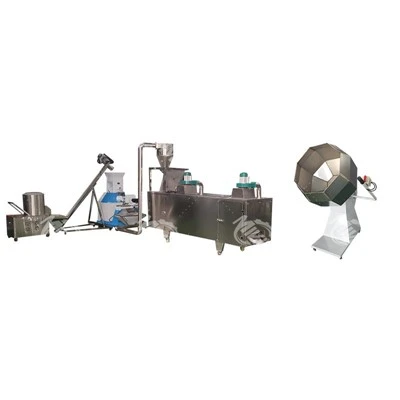
What Methods Can Boost the Production Capabilities of a Small Pellet Feed Line?
Leave a message
Introduction
A small pellet feed line cannot be enlarged overnight, but its output can be raised by more than 20% with a handful of low-cost modifications and operating changes. None of them requires a new mill. This article explains the five methods that work best in small workshops and family farms, in the order of cost and impact.
Speed up the feeder to maximum without letting material pile up; upgrade the motor if underpowered.
A high-volume cooler fan can double cooling speed, removing the cooling bottleneck.
Divide labor: one for feeding and crushing, one for granulation and cooling, one for packaging.
Weigh and prepare all raw materials before production, not halfway through.
Clean equipment daily so the line starts producing immediately the next morning.
Together these changes can raise small-line output by more than 20%.
1. Speed Up the Feeder
Many small feeders are manually adjustable. Set the speed to maximum, but do not let the raw material pile up at the mill inlet. If the feeder's power is insufficient, replace it with a higher-powered motor, which costs only a few hundred dollars. A faster feeding speed naturally increases production in all subsequent stages, because the pellet mill and cooler can only process what the feeder delivers.
2. Upgrade the Cooler
Small coolers have limited capacity, and freshly pressed hot granules must cool before packing. Replacing the cooler's fan with a high-volume one can double the cooling speed, so the granules cool quickly and proceed to the next stage without waiting. Adding a screen to the cooler to disperse the granules achieves more even and faster cooling. The cooler is the most common hidden bottleneck on small lines, because it is easy to overlook when output rises.
3. Optimize the Division of Labor
With few workers on a small feed granule production line, do not let one person do everything. For example, one person handles raw-material feeding and crushing, another handles granulation and cooling, and a third handles packaging. With a clear division of labor, everyone operates skillfully and avoids chaos. Small scheduling details matter: the packaging person can open and arrange bags in advance, saving considerable time by not waiting for granules to be screened out.
4. Prepare Raw Materials Before Production
Prepare all raw materials before production starts: weigh them according to the formula and place them nearby. Do not wait until production is halfway through to weigh or find the materials. Interruptions for weighing cost double, because the mill keeps running or idles while the operator runs around, and every restart has a settling period of imperfect pellets.
5. Clean Equipment Thoroughly Each Day
Clean the equipment thoroughly before leaving work each day, preventing raw materials from remaining in the machines. This way the machine can start producing normally the next day without spending the first hour cleaning. Hardened residue in the die and chamber is also the most common cause of slow starts and blocked dies, so the daily clean protects both output and tooling.
The Measured Result
These small modifications cost little, but together they can increase the output of a small shrimp feed production line by more than 20%, making them especially suitable for small workshops and family farms. Measure output before and after each change, because the biggest gain usually comes from the one bottleneck you have not noticed yet.
Frequently Asked Questions
What is the cheapest way to raise small-line output? Speeding up the feeder and preparing raw materials in advance cost almost nothing and remove two of the most common hidden bottlenecks.
How much can a cooler upgrade help? high-volume fan can double cooling speed, and if the cooler was the bottleneck, total line output rises to match the pellet mill's capability.
Does labor division really increase output? Yes. Dedicated roles with prepared bags and materials eliminate waiting and chaos; the packaging station stops blocking the flow.
Why prepare raw materials before production? Weighing halfway through interrupts the flow, idles the mill and creates settling periods of imperfect pellets. Pre-weighed batches keep the line continuous.
Why clean the equipment every day? Residual material hardens in the die and chamber overnight, causing slow starts and blockages. Daily cleaning lets the line start producing immediately.
How much total output gain can these changes deliver? In practice, the combined changes raise small-line output by more than 20%, without any capital equipment purchase.