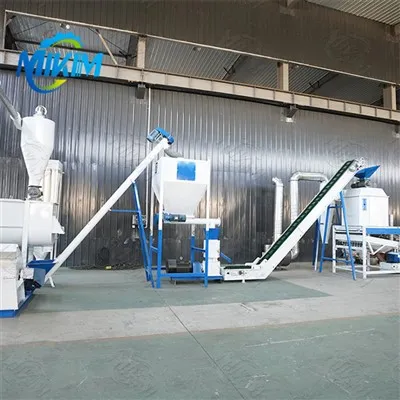
What Should I Do If the Feed Pellet Production Line Equipment Makes Too Much Noise?
Leave a message
Introduction
Noise issues not only affect the production environment but can also impact the health of operators. Abnormal noise from feed line equipment is often caused by worn mechanical components or improper installation, and the noise itself is the early-warning system: a machine that suddenly sounds different is telling you that something has changed. This article explains how to locate the source and the four most common causes with their fixes.
Abnormal noise usually means worn mechanical components or improper installation.
Locate the source first: crusher, mill, cooler fan or conveyor, by listening while each runs.
Check installation: loose bolts and unleveled bases amplify every other fault.
Lubricate moving parts on schedule; dry bearings grind and scream before they seize.
Replace worn parts promptly: rollers, dies, belts and bearings wear silently until they fail.
Step 1: Locate the Source of the Noise
Before touching anything, identify which machine is making the noise. Run the line machine by machine with the others stopped, and note whether the noise is a continuous grind, a rhythmic knock or a high-pitched squeal. A continuous grind usually points to bearings or the die-roller interface; a rhythmic knock points to a loose or damaged component rotating with the shaft; a squeal points to belt slip or dry bearings. Locating the source first turns a blind overhaul into a targeted repair.
Step 2: Check the Installation
Ensure all components are properly installed to avoid abnormal noise caused by looseness. Check the anchor bolts of every machine, especially the hammer crusher and pellet mill, which generate the strongest vibration. Verify the base is level and the machine is not in contact with guard panels, ducts or adjacent equipment, because contact surfaces transmit and amplify vibration into noise.
Step 3: Lubricate on Schedule
Lubricate moving parts regularly to reduce noise caused by friction. Dry bearings are the most common source of rising noise on a pellet line: they grind and heat up long before they seize, and the noise is the only warning. Follow the lubrication schedule in the manual, typically greasing roller bearings every 200 operating hours and changing gearbox oil every 1000 hours, and listen for the noise to drop after each service, which confirms the lubrication reached the bearing.
Step 4: Replace Worn Parts
Regularly check the wear of mechanical components and replace damaged or worn parts promptly. Pressure rollers and dies wear during operation, and a worn die or an uneven roller produces a characteristic grinding noise alongside deteriorating pellet quality. Drive belts that are loose or worn slap against the pulleys. Bearings with play knock rhythmically. None of these repairs itself; each needs inspection and replacement at the schedule or at the first sign of abnormal noise.
Step 5: Check for Foreign Material
Hard impurities such as stones or metal in the raw material produce intermittent loud knocks in the crusher and pellet mill, and can damage the die and rollers. Stop the line, remove the foreign material, and re-check the feed screening before resuming. Recurring knocks are a signal that the upstream cleaning or screening stage needs attention, not just the machine making the noise.
Frequently Asked Questions
How do I find which machine is making the noise? Run the line machine by machine with the others stopped, and classify the sound: continuous grind points to bearings or die-roller contact, rhythmic knock to loose parts, squeal to belt slip or dry bearings.
What should I check in the installation? anchor bolts on every machine, base leveling, and clearance from guard panels and adjacent equipment, because looseness and contact amplify vibration into noise.
How often should I lubricate the line? Typically grease roller bearings every 200 operating hours and change gearbox oil every 1000 hours, per the manual, and confirm the noise drops after each service.
Why do worn rollers and dies make noise? worn die or uneven roller changes the contact geometry, producing grinding noise alongside deteriorating pellet quality. Inspect and replace them on schedule.
What do intermittent loud knocks mean? Hard impurities such as stones or metal in the raw material. Stop the line, remove the material and re-check screening before resuming.
Can noise damage operator health? Yes. Persistent high noise affects the production environment and operator health, which is why abnormal noise should be fixed promptly, not tolerated.