What steps should be done to guarantee that the particle size satisfies the required level?
Leave a message
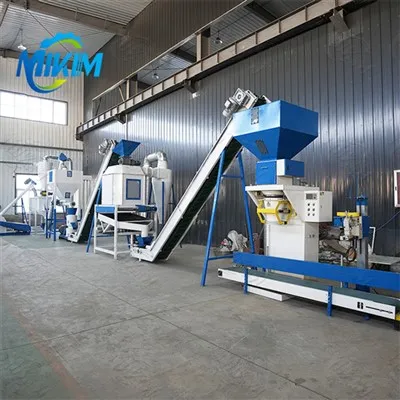
In animal feed extruder line, the adaptability of auxiliary systems (such as raw material conveying, oil addition, screening and grading) is often overlooked. The raw material conveying pipeline is blocked due to the high viscosity of fishmeal, the flow rate of the oil addition pump fluctuates, and the screen of the screening machine does not match the particle diameter. These problems can indirectly lead to uneven particle size. If only the pellet mill itself is focused on, it is difficult to solve the problem at its root.
Problem Causes and Solutions
1.The raw material conveying system experienced blockages due to the high viscosity of aquatic raw materials.
Causes: Raw materials such as fishmeal and shrimp meal are highly viscous (especially when moisture content > 14%), easily adhering to the inner wall of the conveying pipes (auger, elevator), forming a "material layer." This layer accumulates continuously during the conveying process, leading to localized blockages and fluctuating raw material conveying volumes. Excessive spacing between elevator buckets (> 30 cm) can cause "bridging" as raw materials fall, resulting in uneven feeding, fluctuations in the amount of raw material filling in the cylinder, and differences in particle size.
Solutions: Modify the raw material conveying pipes-apply a PTFE coating to the inner wall of the auger (to reduce raw material adhesion), and install a clearing port every 5 meters (for regular cleaning); shorten the elevator bucket spacing to 20-25 cm, and smooth the inner wall of the buckets (Ra ≤ 0.8 μm) to prevent raw material bridging; install a flow sensor at the conveying pipe outlet to monitor the raw material flow rate in real time (fluctuation range ≤ ± 5%), automatically alarming when the flow rate is abnormal, and promptly clearing blockages.
2.Uneven viscosity of raw materials due to flow fluctuations in the oil addition system.
Causes: High oil addition rate in aquatic feed (5-15%). If the oil addition pump is a standard gear pump, the flow rate fluctuates due to temperature changes in oil viscosity (viscosity increases at low temperatures). For example, a setting of 5L/min may result in an actual flow rate of 3-7L/min. Insufficient insulation in the oil delivery pipeline (winter temperature <15℃) causes the oil to cool and solidify within the pipeline, resulting in intermittent flow. This leads to localized areas with excessively high (high viscosity, forming coarse particles) or excessively low (low viscosity, producing debris) oil content in the raw materials.
Solutions: Replace the oil addition pump with a variable displacement plunger pump (flow accuracy ±1%) and equip it with a temperature control system (stabilizing the oil temperature at 30-40℃) to ensure stable flow. Insulate the oil delivery pipeline (wrapping a 50mm thick rock wool insulation layer) and wrap the pipeline with heating tape (temperature set at 35℃) to prevent oil solidification. Install a flow meter and pressure sensor at the oil addition port to monitor flow and pressure in real time, automatically shutting down the system in case of abnormalities and troubleshooting the problem.
3.The screening and grading system is not adapted to the characteristics of aquatic feed pellets.
Reasons: Aquatic feed pellets are brittle (especially floating feeds). If the screening machine's amplitude is too large (>5mm), the pellets are easily broken upon collision, producing fine particles; improper selection of screen aperture (e.g., using a 2.5mm screen to produce 3mm pellets), some qualified pellets are screened out, or a 3.5mm screen cannot separate coarse particles; the screening machine's screen material is ordinary carbon steel, which deforms after long-term use, resulting in inconsistent screen aperture sizes and reduced screening accuracy.
Solution: Use a specialized aquatic feed screening machine – adjust the amplitude to 2-3mm and the screen inclination angle to 15-20° (to ensure smooth particle movement and reduce breakage); select the screen mesh size according to the particle diameter (e.g., use a 3.0mm screen for 3mm particles, matching the mesh size to the aperture); use a double-layer screen (the upper layer removes coarse particles, and the lower layer removes fine particles) to improve screening accuracy; replace the screen with stainless steel (0.5-0.8mm thick); check the screen flatness every 12 hours of production, and replace it promptly if deformation occurs to ensure consistent screen aperture size.


Why Choose Us
MIKIM boasts extensive experience in poultry feed pellet production lines, significantly reducing the incidence of poultry diseases. Its equipment is not only widely used across various industries domestically but also exported to Southeast Asia, Europe, Africa, and South America, earning a high reputation internationally. This global presence not only demonstrates the adaptability and competitiveness of its products, but also demonstrates the company's experience in adapting to diverse market standards and logistics conditions, enabling it to provide a stable supply chain for its overseas customers. Whether serving large domestic farms or cross-border feed companies, MIKIM can leverage its global service network to ensure a consistent, high-quality experience.
For more information on process flow design, equipment layout, factory construction plans, individual equipment pricing, or turnkey project proposals, please feel free to contact us!!!
FAQ
1. What is the price of the floating fish food production ?
The price ranges from approximately $7,000-$25,000
2. Do you provide maintenance services for your customers?
Yes, we offer comprehensive after-sales maintenance services to our customers.