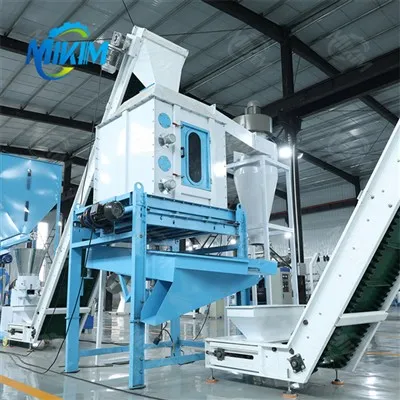
Why does the extruder motor overload
Leave a message
During operation, a fish extruder machine suddenly triggered the "motor overload" protection function. The ammeter showed that the current far exceeded the rated value (for example, a 37kW motor is rated for 70A, but the actual current was over 100A). The motor even emitted smoke and a strange odor. Forcibly restarting the machine would not only burn out the motor (with repair costs exceeding 5,000 yuan), but also cause the screw and barrel to deform due to overload, causing the equipment to "paralyze" and seriously affecting production progress.
Cause and Solution
1.Raw material blockage in the barrel (most urgent cause)
Causes: Large impurities (such as uncrushed corn cobs or metal pieces) are mixed in the raw material, or the raw material has excessive moisture (over 19%), which adheres to the screw surface, forming a "material blockage" and causing a sharp increase in screw rotation resistance; the feeding speed is too fast (e.g., the feeder speed exceeds 50 r/min), and the amount of raw material accumulated in the barrel far exceeds the extrusion capacity, making it impossible to discharge in time, causing blockage.
Solutions: Immediately disconnect the power supply and close the feeder and steam valves; remove the barrel end cover and use a special material hook to clean the blocked raw material (if the raw material is hardened, it can be soaked in 60-70℃ warm water for 20 minutes to soften it before cleaning); check the raw material conveying system, install a double-layer screen at the feed inlet (upper layer aperture 10mm, lower layer aperture 5mm) to intercept large impurities, and at the same time reduce the feeder speed (from 50 r/min to 35-40 r/min) to ensure that the feed rate matches the barrel extrusion capacity.
2. Screw and Barrel Jamming
Causes: Screw bearing wear (clearance exceeding 0.8mm), causing screw eccentricity and friction against the inner wall of the barrel; or incomplete cleaning after the last production run, leaving hardened material residue (such as carbonized clumps of high-sugar or high-oil materials) stuck between the screw threads and the barrel, resulting in a "seized" state; excessive coaxiality error between the screw and barrel (exceeding 0.3mm), causing mutual scraping during operation and increasing the motor load.
Solutions: Disassemble the screw bearing and check the wear of the raceway and balls. If the clearance exceeds the standard or pitting occurs, replace with a high-precision bearing (such as SKF 6318 model); thoroughly clean the barrel of residual hardened material with a wire brush and warm water, and if necessary, sand the inner wall of the barrel (to remove the carbonized layer and prevent re-jamming); readjust the coaxiality of the screw and barrel by adjusting the bearing seat positioning bolts to ensure the error is ≤0.1mm.
3. Poor motor heat dissipation or abnormal power supply
Causes: Broken motor fan blades or dust clogging the cooling vents (dust thickness exceeding 3mm), leading to decreased motor heat dissipation efficiency, temperature rises above 90℃, triggering overload protection; unstable workshop voltage (e.g., voltage below 360V, rated voltage 380V), insufficient motor output power, forcing increased current to maintain operation; loose motor terminals, excessive contact resistance, localized overheating leading to overload.
Solutions: Replace the damaged motor fan; blow the motor cooling vents with compressed air (pressure 0.6-0.8MPa); install an industrial exhaust fan (wind speed ≥3m/s) near the motor to enhance heat dissipation; contact an electrician to check the workshop voltage and install a voltage regulator (output voltage 380±5V) to ensure stable power supply; tighten motor terminals and apply conductive grease (to reduce contact resistance) to prevent localized overheating.


Why Choose Us
MIKIM boasts extensive experience in poultry feed pellet production lines, significantly reducing the incidence of poultry diseases. Its equipment is not only widely used across various industries domestically but also exported to Southeast Asia, Europe, Africa, and South America, earning a high reputation internationally. This global presence not only demonstrates the adaptability and competitiveness of its products, but also demonstrates the company's experience in adapting to diverse market standards and logistics conditions, enabling it to provide a stable supply chain for its overseas customers. Whether serving large domestic farms or cross-border feed companies, MIKIM can leverage its global service network to ensure a consistent, high-quality experience.
For more information on process flow design, equipment layout, factory construction plans, individual equipment pricing, or turnkey project proposals, please feel free to contact us!!!

FAQ
1. What is the price of the fish floating feed machine?
The price ranges from approximately $5,000-$34,000
2. Do you provide maintenance services for your customers?
Yes, we offer comprehensive after-sales maintenance services to our customers.