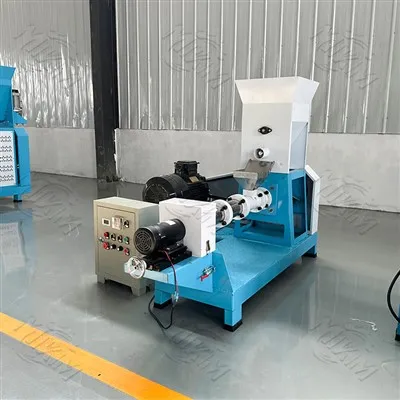
Why is the profit margin of a pet floating meal production line much larger than that of bulk grain?
Leave a message
First, pelleted pet food has a "quality premium," allowing it to be sold at a higher price. Bulk pet food, without extrusion, has uneven nutrition and may contain bacteria, so it can only be sold for 5 yuan per pound. Wet pet food production lines, however, use high-temperature extrusion to kill bacteria, ensuring balanced nutrition. They can also add chicken meal and fish oil to improve taste, allowing them to sell for 10 yuan per pound, earning 5 yuan more per pound than bulk food. For example, a pet food merchant who previously sold 100 pounds of bulk food daily with a profit of 100 yuan, can now sell 200 pounds daily, earning an extra 5 yuan per pound, resulting in a daily profit of 1000 yuan, 900 yuan more than before. Furthermore, they can produce "functional pelleted food," such as coat-enhancing or digestive-promoting pellets, which can sell for 15 yuan per pound, further increasing profits.
Second, mass production on pet feed production lines allows for cost control and reduces waste. Pet pellet food production lines can precisely control the amount of raw materials used. For example, each pound of pellets uses 0.6 pounds of cornmeal, 0.3 pounds of chicken meal, and 0.1 pounds of vegetable meal, avoiding the waste of raw materials that occurs with manual mixing. Furthermore, bulk purchasing of raw materials saves 0.2 yuan per pound, resulting in a saving of 400 yuan per ton of feed. For instance, one pet food supplier, after using the production line, reduced its raw material waste rate from 10% to 3%, saving 500 yuan per month in raw material costs; and reduced its workforce from 3 to 1 person, saving 8,000 yuan per month in labor costs. Lower costs naturally lead to higher profits; even with the same sales volume, profits can increase by 30%.
Thirdly, the market demand for pet pellet food is large, and sales are expected to grow rapidly. Pet owners are increasingly focused on their pets' health and are willing to spend more money on high-quality pellet food rather than buying bulk food. For example, a pet food merchant initially sold 500 jin (250 catties) of pelleted pet food per month. Six months later, due to positive word-of-mouth, sales increased to 3000 jin (1500 catties) per month, a six-fold increase. Furthermore, pelleted pet food is easy to package, available in 1-jin (0.5 catties) and 5-jin (2.5 catties) packs, making it convenient for pet owners to purchase. It can also be sold online, expanding sales channels. Increased sales naturally lead to increased profits, making it a more promising business than selling bulk pet food.


about Us
Customer visit

Certificate of Honor

FAQ
1. What is the price of the dog food production line?
The price ranges from approximately $18,000-$44,000
2. Do you provide maintenance services for your customers?
Yes, we offer comprehensive after-sales maintenance services to our customers.