

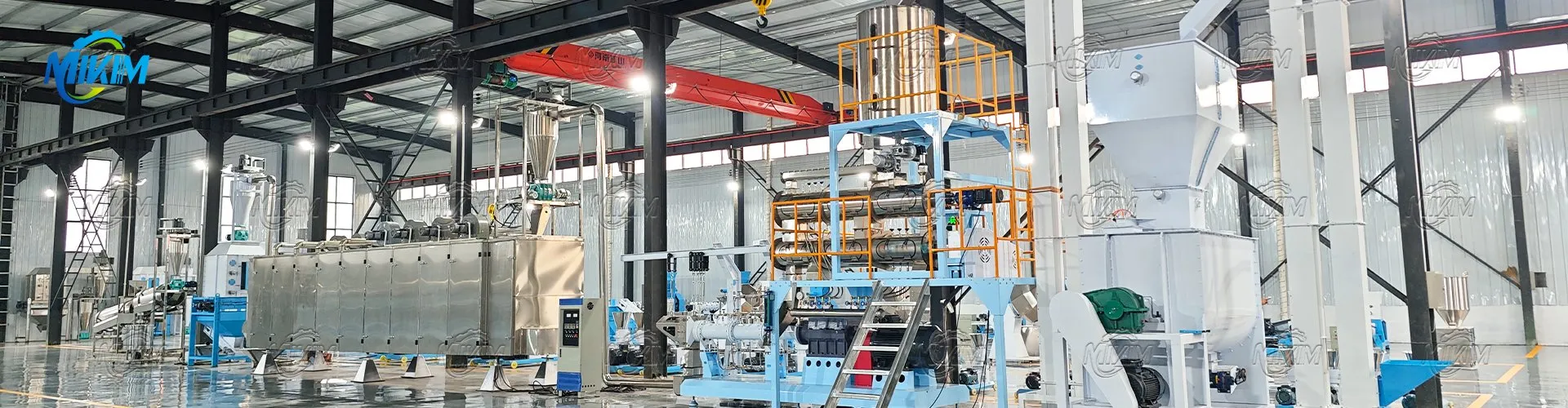
Do You Know About Feed Pellet Machine?
Leave a message
During the entire pelletizing process of the feed pellet machine, quality and safety need to be strictly controlled in every link. At the same time, in order to improve production efficiency and reduce costs, it is necessary to continuously optimize the process flow and technical parameters. Only in this way can we produce high-quality, high-efficiency feed pellet products to meet market demand. Feed pellet machines are available in a variety of models and specifications to meet the needs of different sizes and types of livestock production. Large feed pellet machines can process large amounts of feed raw materials and are suitable for large farms or feed processing plants; while small feed pellet machines are suitable for family breeding or small farms.

| Model | Capacity (kg/hr) | Power(KW) | Weight(kg) | Dimension (cm) |
| MK-125 | 80-100 | 3 | 95 | 110*35*700 |
| MK-150 | 110-150 | 4 | 98 | 115*35*80 |
| MK-210 | 200-300 | 7.5 | 280 | 115*45*95 |
| MK-230 | 350-450 | 11 | 300 | 138*46*100 |
| MK-260 | 500-600 | 15 | 315 | 130*53*105 |
| MK-300 | 700-800 | 22 | 600 | 145*62*120 |
| MK-360 | 800-900 | 22 | 795 | 160*67*145 |
| MK-400 | 1000-1200 | 30 | 1000 | 160*67*145 |
How to reduce feed costs while meeting the nutritional needs of various livestock and poultry has become an urgent issue for farmers and the feed industry. Straw biochemical protein feed technology is to use crop straws through crushing, fermentation, granulation and other technical measures to soften the lignin and degrade crude protein, crude fiber, crude fat, etc. into substances that are easy for livestock to digest and absorb. At the same time, fermentation also produces A large amount of bacterial protein becomes soft, ripe and sweet after fermentation, and granulation increases the palatability of poultry and livestock.


