What Is The Function Of Pellet Feed Machine?
Leave a message
What Is The Function Of chicken feed milling machine?
A animal pellet making machine is not just a "forming device." It is the core transformation system in modern feed processing, turning loose raw materials into uniform, nutritious, and easy-to-store pellets for animals, poultry, fish, and pets. For farmers and feed producers, it directly affects feed quality, production efficiency, and feeding performance.
Animal Feed Pelletizing Process
1. Core Function: Turning Raw Materials into Dense Feed Pellets
The primary function of a pellet feed machine is compression and shaping.
It processes raw ingredients such as:
- Corn, wheat, soybean meal
- Fish meal and meat powder
- Rice bran, grass powder, alfalfa
- Vitamins and mineral premixes
Through mechanical pressure (and sometimes heat), these loose materials are:
✔ Mixed evenly
✔ Compressed under high pressure
✔ Formed into cylindrical or floating pellets
✔ Cut into uniform sizes
👉 The result: high-density, stable, and easy-to-handle feed pellets

2. Improving Feed Digestibility and Animal Growth
One of the most important functions often overlooked is nutritional efficiency improvement.
During pelletizing:
Starch is partially gelatinized (better digestion)
Fiber structure becomes softer
Nutrients are evenly distributed in each pellet
This leads to:
Higher feed conversion rate (FCR)
Faster weight gain in livestock and fish
Reduced feed waste in water or soil
3. Different Functions Based on Machine Type
Different feed pellet maker machines serve different production goals:
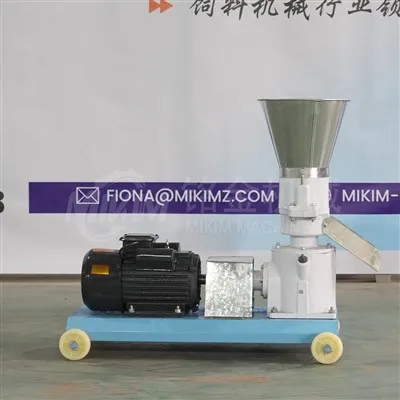
🔹 Flat Die Pellet Machine
Small-scale farm use
Poultry and livestock feed
Simple structure, easy operation

🔹 Ring Die Pellet Mill
Industrial production line
High output (500 kg/h to 20 tons/h)
Stable continuous operation


4. Function in Feed Production Line Integration
In modern feed factories, an animal feed pellet machine is not isolated. It works as the core shaping stage in a full production line:
Raw material → Crushing → Mixing → Pelletizing → Cooling → Screening → Packing
Its role is:
Final shaping stage of feed production
Determines pellet size, hardness, and density
Influences final product market value
5. Key Functional Benefits for Businesses
From a commercial perspective, feed granulator machines bring:
✔ Cost Reduction
Lower storage and transportation cost (bulk raw materials → compact pellets)
✔ Standardized Production
Uniform feed quality batch after batch
✔ Longer Shelf Life
Reduced moisture and bacterial risk
✔ Market Expansion
Suitable for poultry farms, fish farms, pet food industry
6. Why It Matters for Modern Feed Industry
Based on real feed production practices, pellet feed machines are now essential because:
Global demand for high-efficiency animal protein is increasing
Farmers prefer ready-to-use balanced feed instead of raw mixing
Industrial farming requires consistent feed quality control
👉 In real factory applications, pelletization is often the difference between low-profit farming and scalable feed business
7. How to Choose the Right feed pellet production machine
Before purchasing, consider:
Production capacity (kg/h or ton/h)
Raw material type (powder, fiber, aquatic formula)
Feed type (floating fish feed, poultry feed, etc.)
Power system (electric motor or diesel)
Durability of die and roller system
👉 A professional supplier should help match machine type with your exact feed formula and production goal.
Conclusion
The function of a pellet feed machine goes far beyond "making pellets." It is a complete process of transforming raw nutrition into standardized, digestible, and market-ready feed products.
For modern feed businesses, it is not just equipment-it is a production foundation that determines efficiency, cost, and product competitiveness.
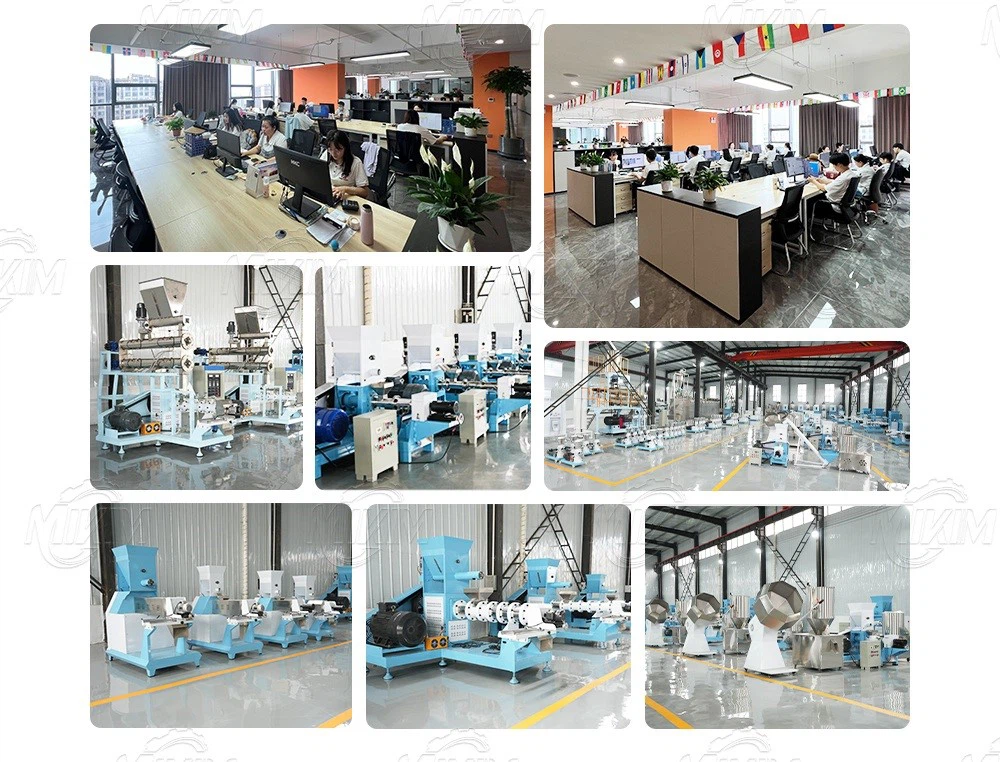
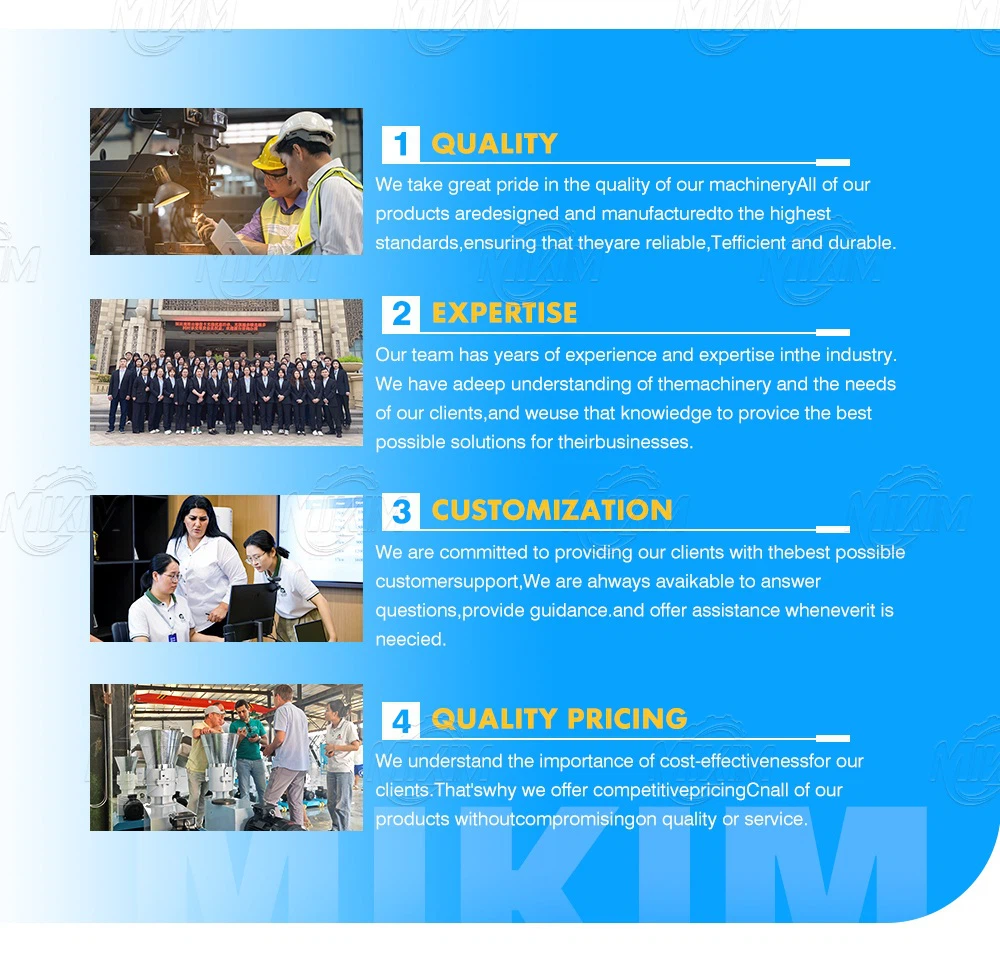
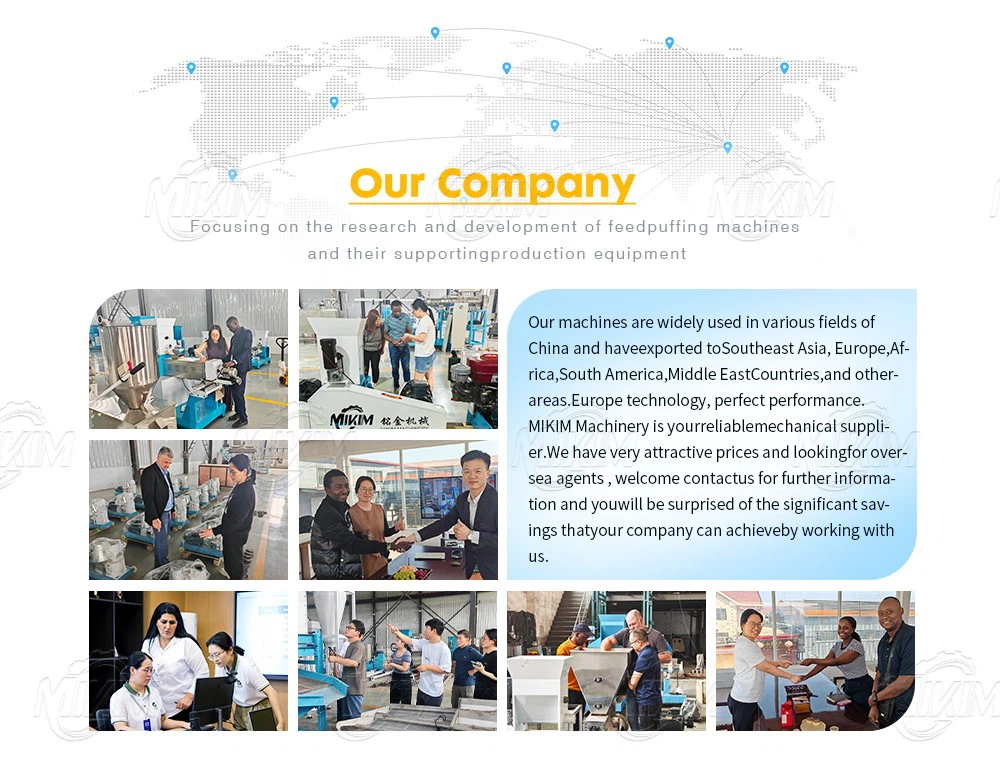
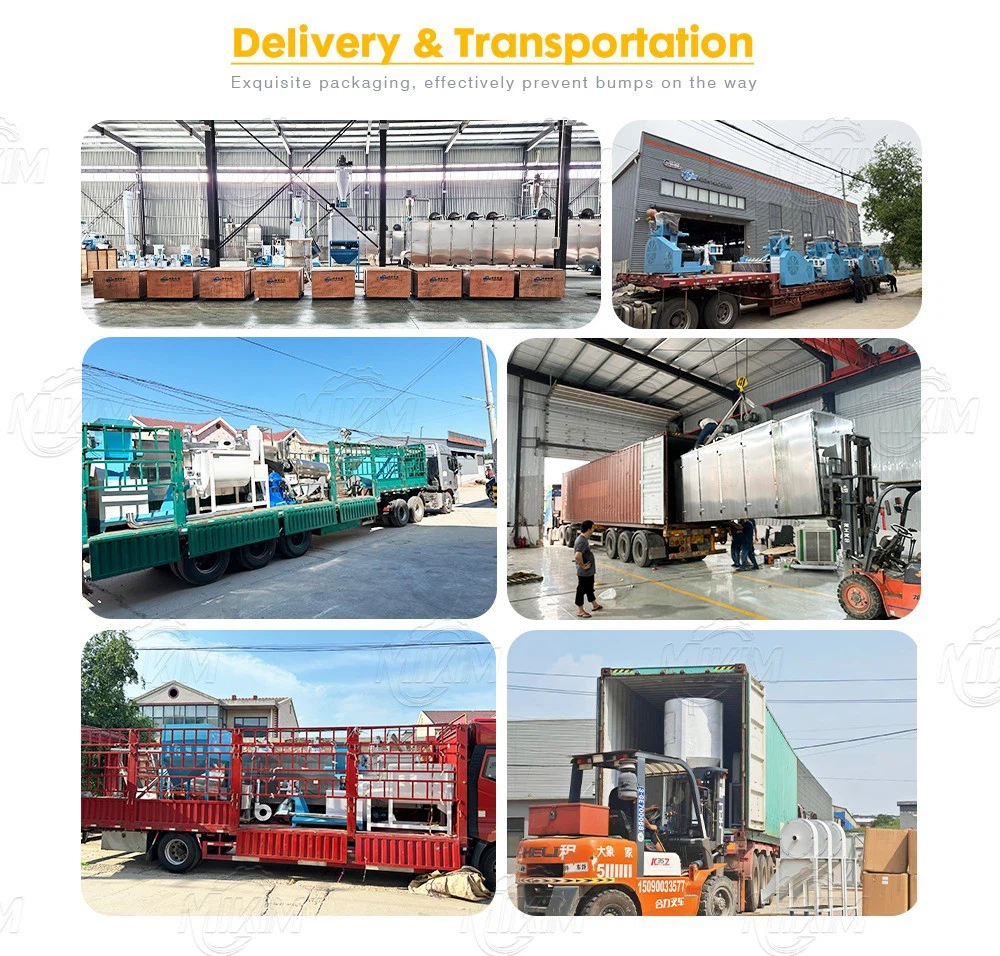
Company Introduction