


What Is The Importance Of Feed Pellet Machine in Livestock And Poultry Farming?
Leave a message
1. Improve feed utilization: Feed pellet machine can process raw feed into pellets of certain specifications and shapes, which helps to improve the utilization rate of feed by livestock and poultry. Pellet feed is easy to digest and absorb, and livestock and poultry can use the nutrients in feed more effectively, reduce waste, and improve feed conversion rate.
2. Improve feed taste: Pellet feed is easier to be accepted by livestock and poultry than roughage, tastes better, and can increase the appetite of livestock and poultry. Appropriate particle size and shape can improve the palatability of feed, promote the appetite and feed intake of livestock and poultry.
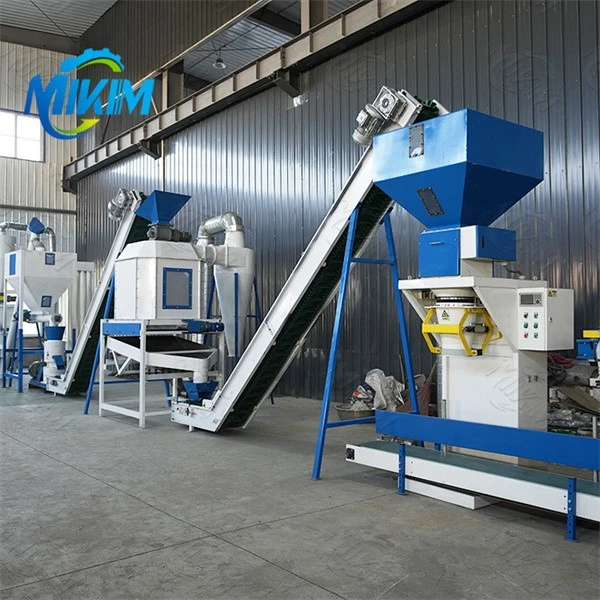
| Model | Capacity | Power | Dimension | Weight |
| 125 | 80-100kg/h | 3kw | 110*35*70 cm | 95 kg |
| 150 | 120-150kg/h | 4kw | 115*35*80cm | 100 kg |
| 210 | 200-300kg/h | 7.5kw | 115*45*95cm | 300 kg |
| 260 | 500-600kg/h | 15kw | 138*46*100cm | 350 kg |
| 300 | 700-800kg/h | 22kw | 130*53*105cm | 600 kg |
| 360 | 900-1000kg/h | 22kw | 160*67*150cm | 800 kg |
| 400 | 1200-1500kg/h | 30kw | 160*68*145cm | 1200 kg |
3. Reduce feed dust and noise: Feed pellet machine can minimize the dust and noise generated during feed crushing and molding. Dust and noise are factors that have adverse effects on livestock and poultry health and production environment. These problems can be reduced through granulation.
4. Improve feed quality and stability: Feed pellet machines can evenly mix and compress feed, so that the various ingredients in the feed can be better combined. The quality of pellet feed is more stable and is not easily affected by factors such as moisture, pests and oxidation, which is conducive to maintaining the nutritional value and freshness of the feed.
5. Reduce feed waste and environmental pollution: The shape and size of pellet feed can better control the delivery and consumption of feed and reduce feed waste. In addition, pellet feed is not easily soaked by rain and blown away by wind, reducing feed pollution in the environment.


