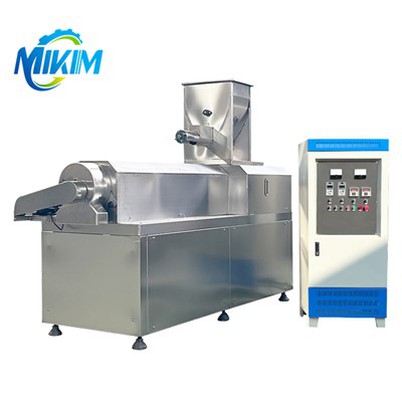
Animal Feed Production Line Cattle Sheep Camel Ruminant Feed Plant Chicken Feed Pellet Line
Leave a message
Product introduction
It is suitable for processing various raw materials, such as corn, soybean, soybean meal, rice, rice bran, wheat, barley, straw, pasture and other raw materials suitable for animal feed. The multi-functional feed production line can make poultry feeds, livestock feeds, ruminant feeds, premix feeds, aqua feeds such as shrimp feeds, sinking fish feeds, crab feeds etc. We could provide customized scheme according to customers condition and requirement.
Techincal process of whole feed production line includes:
Receiving& Precleaning process→ Grinding process→ Batching& Mixing process→ Pelleting process→ Cooling (Crushing if need)& Sifting process→ Packing process
The Precleaner and Permanent Magnetic Cylinder are used to remove the broken straw, corn cobs, soil, stone, rope, iron, metal and other impurities that may be contained in the raw materials to protect the subsequent equipment from damage.Corn, wheat, soyabean etc. raw materials are grinded into the required fineness by the Hammer Mill. It is equipped with an impeller feeder and pulse dust collector system, which improves the working efficiency of the hammer mill. Hammer mill grinding process is important, which influence the power consumption, production cost, capacity and fodder quality.Batching& Mixing is an important process in the feed pellet production line. A good mixer makes the composition of the feed pellets more uniform and the feed quality is higher. We have different feed mixers for choice.
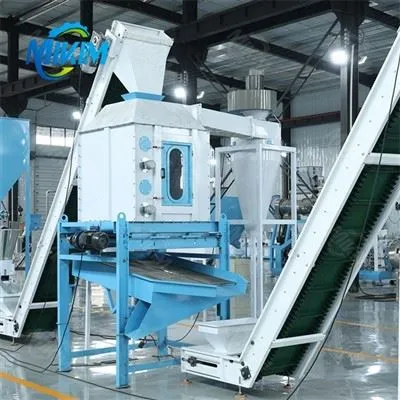
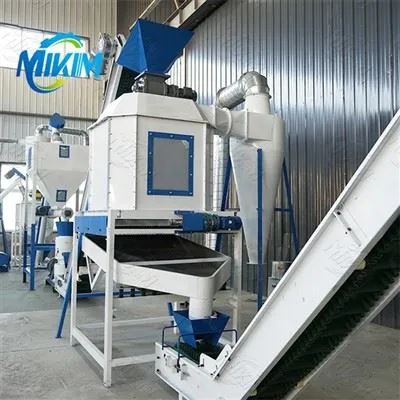
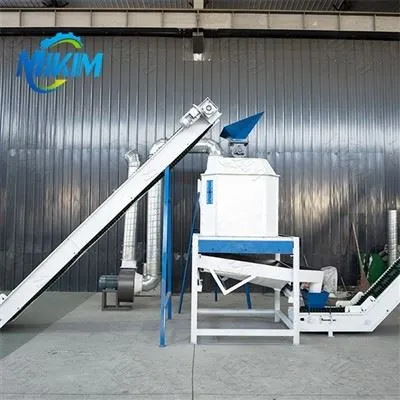
Feed Pellet Machine is our main product. We can recommend you suitable feed pellet mill according to different capacity, different formula and demands.

Product parameters
|
Model |
Capacity (kg/hr) |
Power(KW) |
Weight(kg) |
Dimension (cm) |
|
BH-125 |
80-100 |
3 |
95 |
110*35*700 |
|
BH-150 |
110-150 |
4 |
98 |
115*35*80 |
|
BH-210 |
200-300 |
7.5 |
280 |
115*45*95 |
|
BH-230 |
350-450 |
11 |
300 |
138*46*100 |
|
BH-260 |
500-600 |
15 |
315 |
130*53*105 |
|
BH-300 |
700-800 |
22 |
600 |
145*62*120 |
|
BH-360 |
800-900 |
22 |
795 |
160*67*145 |
|
BH-400 |
1000-1200 |
30 |
1000 |
160*67*145 |
Product advantages
1. Promote the Diversification of Feed Ingredients
Some unconventional raw materials (such as distiller's grains, straw meal, and insect protein) have poor palatability and high fiber content, resulting in low poultry feed intake when directly processed into feed. However, during the conditioning and pelleting process of pellet production lines, binders (such as bentonite) can be added to improve pellet hardness. These raw materials can be appropriately incorporated into the feed formula (up to 10%-20%). This not only broadens feed raw material sources but also reduces reliance on conventional raw materials like corn and soybean meal, alleviating the tight supply and demand of raw materials.
2. Ensure the Quality and Safety of Poultry Products
The "full-process control" of pellet feed (from raw material cleaning and mixing to pelleting and packaging, with traceability at every stage) effectively prevents the inclusion of illegal additives (such as banned drugs and excessive heavy metals). Furthermore, by meeting feed hygiene standards (low microbial and mold content), the risk of drug residues and microbial contamination in poultry products (meat and eggs) is reduced, meeting national food safety standards and enhancing product market competitiveness.
Finished product display


FAQ
1. What is the price of the farm feed pellet production line?
The price ranges from approximately US$9,000.00 - 45,000.00.
2. Do you provide maintenance services for your customers?
Yes, we offer comprehensive after-sales maintenance services to our customers.
For more information on process flow design, equipment layout, factory construction plans, individual equipment pricing, or turnkey project proposals, please feel free to contact us!!!