Floating Fish Feed Pellet Making Machine: Models and Process
Leave a message

What This Machine Does
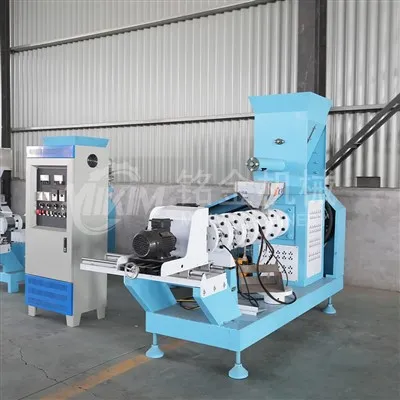
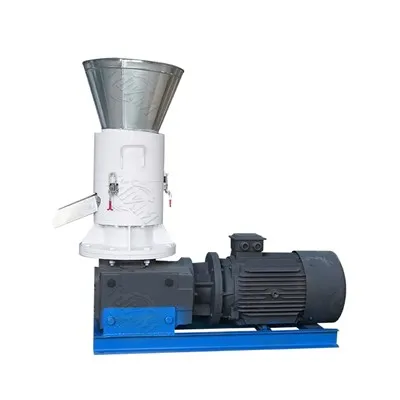
A floating fish feed pellet making machine is an extruder-based line that turns powdered raw materials into buoyant or sinking aquatic feed pellets - and, with different moulds, into pet food shapes. It serves pet food makers, aqua feed producers and fish farms, from single units (small-scale output) to complete production lines.


Typical Raw Materials
Common ingredients: soya flour, meat powder, corn flour and fish meal. For floating feed, the formula must contain enough gelatinizable starch (typically at least 30%) - starch is what creates the porous structure that makes pellets float.

Process Flow
Raw material preparation → powder mixing → conveying → extrusion → conveying → drying → screening → oil spraying → seasoning → cooling → packaging.
The heart of the line is the extruder: the mash is cooked under high temperature and pressure, then forced through the die, where the sudden pressure drop makes moisture flash into steam and expands the pellet into a porous, low-density structure that floats.

Model Selection (Electric Drive)
| Model | Power | Feeder | Cutter | Capacity | Dimensions | Weight |
|---|---|---|---|---|---|---|
| DGP40 | 4 kW | 0.4 kW | 0.4 kW | 0.04–0.05 t/h | 1400×1030×1200 mm | 240 kg |
| DGP50 | 11 kW | 0.4 kW | 0.4 kW | 0.06–0.08 t/h | 1400×1030×1200 mm | 320 kg |
| DGP60 | 15 kW | 0.4 kW | 0.4 kW | 0.12–0.15 t/h | 1450×950×1430 mm | 480 kg |
| DGP70 | 18.5 kW | 0.4 kW | 0.4 kW | 0.18–0.25 t/h | 1600×1400×1450 mm | 600 kg |
| DGP80 | 22 kW | 0.4 kW | 0.75 kW | 0.3–0.35 t/h | 1850×1470×1500 mm | 800 kg |
| DGP90 | 30 kW | 1.1 kW | 1.5 kW | 0.4–0.45 t/h | 1900×1500×1600 mm | 1200 kg |
Note: capacities are nominal values for typical formulas; actual output depends on formulation, moisture and target pellet size.
Floating vs Sinking - What Decides It
- Formula: more starch → more expansion → floating; low-starch or high-protein formulas produce sinking pellets.
- Process: extrusion temperature, moisture and die pressure control expansion ratio.
- Drying: correct drying sets the structure; overdrying makes brittle pellets, underdrying makes soft, sinking pellets.
- Acceptance: a typical factory test is floatability for 3-6 hours without disintegration; confirm the test method and target with the supplier.
Pet Food on the Same Line
By changing the moulds and process parameters, the same machine produces dog and cat food shapes - the "finished product display" on the page shows pet kibble made with the same extruder. Sinking fish feed is also achievable by adjusting formulation and die settings.
Energy and Environmental Design
The line is designed with energy-saving features: high-efficiency motors on the pelletizer and grinder, negative-pressure dust collection on the crushing step, waste-heat recovery from conditioning, and recycling of off-spec pellets back into production. These are manufacturer values (energy savings of 15-20%, dust collection above 98%) - verify with test data or references before using them in your own procurement justification.
Selection Advice
- Match model to your target daily output, allowing headroom for peak seasons.
- Confirm the die set for your pellet sizes (e.g., 2-4 mm for fish, larger for pet food).
- Ask for the floatability test protocol and energy consumption per ton.
- Check after-sales support: installation, commissioning, training, spare parts availability.