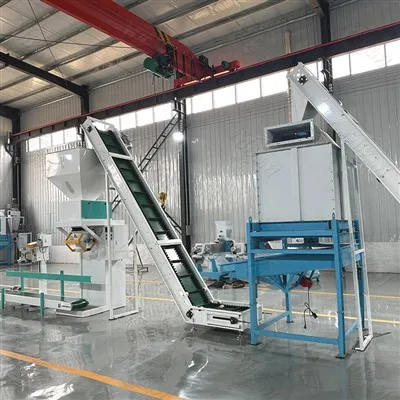
Does a Floating Fish Feed Extruder Improve Pellet Quality?
Leave a message
What Determines Floating Fish Feed Quality
Floating fish feed must hold its shape in water, keep nutrients available, and be eaten readily by the target species. Three properties decide quality: pellet density and surface finish, floating behavior, and nutrient retention. A floating fish feed extruder influences all three through the way it applies pressure, heat, and speed during extrusion. Understanding these mechanisms helps farmers judge machine claims and adjust settings for their own formulations.
Consistent Density and Water Resistance
Superior pellet quality starts with uniform extrusion pressure. Stable torque output ensures uniform and constant pressure between the pressure rollers and the ring die, resulting in pellets with consistent density, smooth surfaces, and resistance to breakage in water. Pellets with uniform density sink or float predictably and release nutrients at a steady rate, which improves feeding management and reduces waste.
Full Starch Gelatinization for Longer Floating
Floating behavior depends on starch gelatinization. The machine precisely controls speed and temperature so that the starch in the feed is fully gelatinized, forming a stable porous structure that traps air and keeps pellets buoyant. Reported comparative tests estimate that floating time is extended by more than 50% compared with an electric-motor model, avoiding the waste and water pollution caused by feed sinking. In the same tests, tilapia feed produced with the diesel model reached a pellet formation rate of 98%, 8 percentage points higher than the electric-motor model, with a reported 15% increase in fish feeding rate and 0.3 tons per acre less feed consumed.
Temperature Control Protects Nutrients
Proteins, vitamins, and other nutrients are temperature-sensitive; excessive heat can denature and degrade them. By adjusting the throttle to control speed, the machine controls the frictional heat generated within the barrel, stabilizing the pelleting temperature in the optimal range of 85-95°C. This ensures starch gelatinization while preventing excessive heat from destroying nutrients. Reported comparative tests show that feed produced by the diesel model retains 92% crude protein, 6 percentage points higher than the electric-motor model, and vitamin E retention reaches 88%, 10 percentage points higher. Better nutrient retention translates directly into faster growth: bass fed the diesel-produced feed gained 18% more per day in the reported trials.
Adapting to Different Feed Formulations
Different fish species and growth stages require different feed formulations. The power adjustment flexibility of the diesel engine allows it to adapt to various formulations, from high-protein juvenile feed to high-fiber adult feed. For example, when producing shrimp larvae feed, lowering the speed and temperature produces finer, more nutritious pellets. When producing grass carp adult feed, increasing the speed enhances extrusion, making the pellets more durable in handling and feeding. This versatility lets farmers adjust formulations to their specific fish species, reducing reliance on purchased commercial feed and improving farming efficiency.
FAQ
How does an extruder improve pellet quality?
Stable extrusion pressure produces pellets with consistent density and smooth surfaces, while controlled heat and speed improve starch gelatinization and water resistance.
Why does starch gelatinization matter for floating feed?
Fully gelatinized starch forms a stable porous structure that keeps pellets buoyant, extending floating time and preventing feed from sinking and polluting the water.
What is the optimal pelleting temperature?
Stabilizing the pelleting temperature in the range of 85-95°C achieves full starch gelatinization without overheating and destroying nutrients.
How does the machine adapt to different feed formulas?
Speed and temperature can be adjusted for each formulation, such as lower settings for fine shrimp larvae feed and higher settings for durable grass carp adult feed.
Does the machine help shrimp larvae feed production?
Yes. Lowering speed and temperature when producing shrimp larvae feed results in finer, more nutritious pellets suited to small larvae.
How can I avoid feed sinking?
Ensure full starch gelatinization through correct speed and temperature control so the pellets form a stable porous structure that keeps them floating.