


Does the fish meal production line require the use of human labor?
Leave a message
fish meal production line
The fish meal production line is highly automated. In addition to improving production efficiency, the automation system also brings many other benefits:
1. Improve product consistency and quality stability
The precise control of automated equipment reduces human errors and ensures that each batch of products can meet the predetermined standards. This is particularly important for meeting the market's requirements for product stability.
2. Reduce labor costs and operational risks
The automated system reduces dependence on traditional labor and reduces labor intensity. The continuous operation of automated equipment also reduces operational risks and errors caused by human operation.
3. Reduce energy and raw material waste
The intelligent control system can adjust the equipment operation status according to actual needs and reduce energy consumption. Accurate batching and process control also reduce the waste of raw materials and save costs.
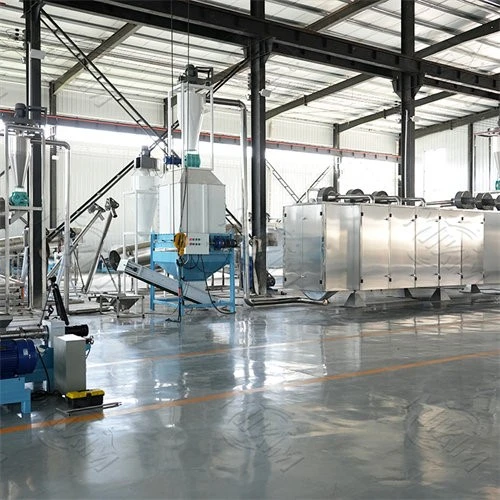
| Size for whole line | According to land size and layout. |
| Pellet size | 1-12mm |
| Capacity | 5-10t/h |
| Workers requirments | 4-5people |
| Shipment requirments | 5*40ft container |
| Range of application | large commerical Aquatic/ pets feed factory |
| Process flow | 1.bucket elevator 2.raw materials cleaning system-3.silos for crusher 4.crusher 5.Raw material automatic distribution weighing system 6.mixing system 7.second crushing system 8.Raw material automatic distribution weighing system 9.second mixing system 10.extruder 11.drying system 12.screen system -13.seasoning machine 14.cooling system 15.packing system |
Main equipment and production process
Competitive advantage
The company conducted a competitive advantage analysis to identify its strengths and weaknesses compared to its rivals.
Raw material crushing system
The raw materials are crushed and ultra-finely crushed to ensure that the particle fineness meets the requirements, improve digestibility and nutritional benefits.
01
Ingredient mixing
Accurately weigh and mix the raw materials according to the formula to ensure nutritional balance.
02
Extrusion/granulation
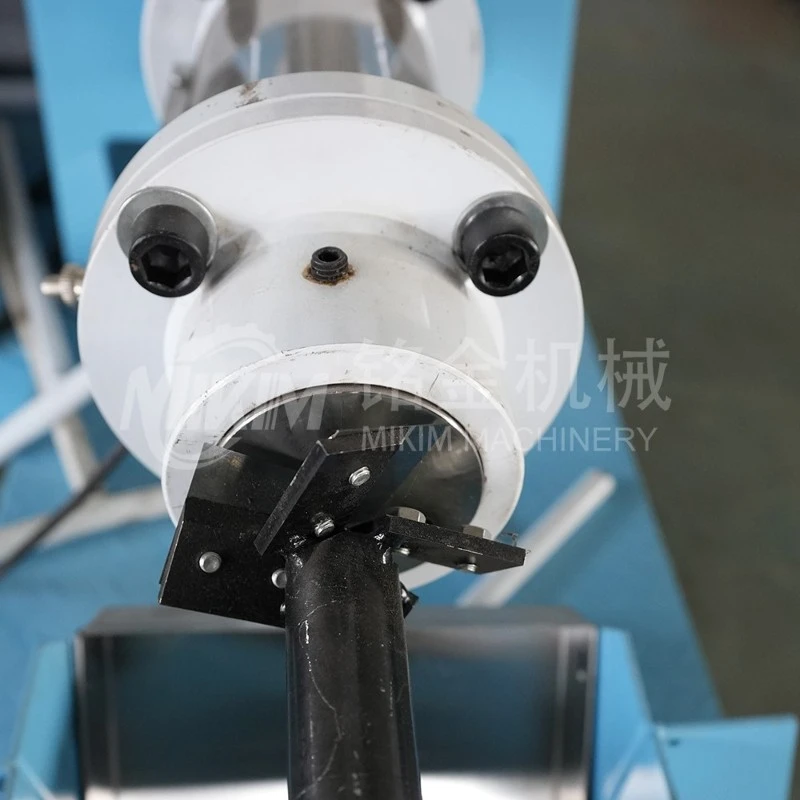
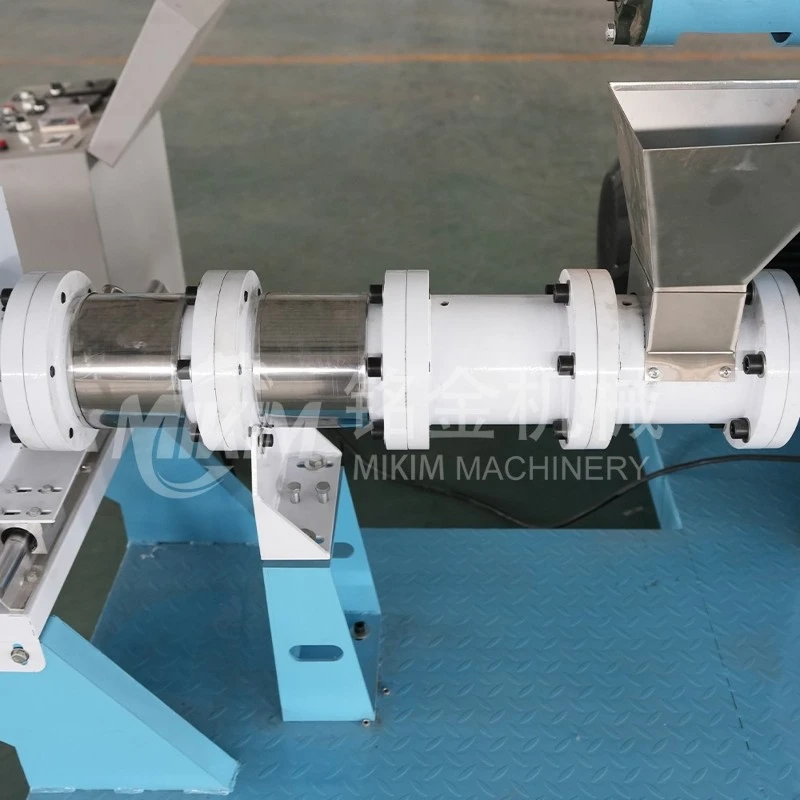
The mixed raw materials are made into granules through a single-screw extruder or a twin-screw extruder or aquatic granulator to increase adhesion and ensure water resistance and stability of the granules.
03
Drying and cooling
The pellet feed is dried and cooled to ensure the hardness and water resistance of the granules. Fat spraying: Fat spraying is performed after drying and cooling to improve the nutrition and palatability of the feed.
04
Packaging and weighing
The finished products are packaged and weighed to ensure the accurate weight of each package of feed. The packaged feed is stored in a warehouse to ensure a suitable storage environment.
05
Real shot of core equipment

FAQ
Q: I have a fish farm and want to build a small fish feed processing plant with a capacity of 200 kg/h. Will the construction process be complicated?
A: A small fish feed production line with a capacity of 200 kg/h has a very small output and only requires a plant (or house) of a suitable size with convenient water and electricity, and can be directly installed. The 200 kg fish feed production line is a horizontal structure, and all equipment can be directly arranged in a row according to the process flow.
Q: How many layers of mesh belts does the dryer in your fish feed pellet production line have? Can it be customized?
A: Yes, our mesh belt dryers have always been customized. At present, we can customize double-layer, triple-layer, quadruple-layer, five-layer or more mesh belt dryers. However, for small fish feed processing plants, three-layer mesh belts are usually used.
For more information on process design, equipment layout, plant construction plan, single machine equipment quotation, turnkey quotation, etc., please feel free to contact us.
Certificate of Honor


