


Dry Fish Feed Extruder vs. Wet Fish Feed Pellet Extruder Machines: Key Differences
Leave a message
In fish feed production technology, the extruder is one of the core pieces of equipment, and different choices are made for different applications. Based on different processes, fish feed extruders are mainly divided into dry fish feed production equipment and wet floating fish feed extruder machines. Both types of equipment have their advantages, and choosing the appropriate extruder will directly affect production efficiency, feed quality, and production costs.
Six effective ways to improve efficiency and reduce energy consumption
1. Differences in Working Principles
Dry fish feed pellet extruders use friction and pressure at high temperatures to directly extrude raw materials into pellets, eliminating the need for additional moisture. This type of equipment has a simple working principle, primarily relying on heating and mechanical compression to complete the extrusion process. Wet fish feed extruders, on the other hand, add water or steam during the extrusion process to achieve more uniform expansion of the raw materials and typically maintain a higher moisture content, making them suitable for producing wetter feed products.
- Dry extruders: Require no additional moisture, relying mainly on mechanical energy and heating to complete the material expansion.
- Wet floating fish feed making machines: Add water or steam, suitable for producing moist, high-moisture feed products.
2. Differences in Applicable Raw Materials
Dry and wet extruders differ in the types of raw materials they process. Dry-type shrimp feed making machines are suitable for processing powdery, granular, or relatively dry raw materials such as fishmeal, cornmeal, and rice bran. They can efficiently convert these dry materials into high-quality floating or sinking fish feed.
Wet fish feed pellet processing machines are suitable for processing raw materials with high moisture content or formulations requiring high hydration, such as those containing large amounts of vegetables or moist feed ingredients. In this type of equipment, the addition of water helps improve the extrusion properties of the feed, enhancing its texture and palatability, making it particularly suitable for producing wet feed or extruded pellets.
MIKIM's Dry Type shrimp feed extruder machine
3. Comparison of Energy Consumption and Production Efficiency
Dry-type shrimp feed pellet machines have lower energy consumption because they rely solely on mechanical compression and heating, requiring no additional steam or large amounts of water. However, dry extruders have relatively fast processing speeds, suitable for large-scale production, but their processing efficiency for certain raw materials is lower than that of wet extruders.
Wet fish food making machines have relatively higher energy consumption because the heating process requires a large amount of steam and electricity to control the addition of water. However, wet extruders can handle more complex formulations, and the moistening effect during production helps improve the feed's texture and palatability.
4. Difference in Product Quality and Extrusion Effect
Dry-type shrimp feed pellet mills can produce harder pellets, suitable for making floating or sinking feeds. Dry extruders, by adjusting the temperature and pressure of the equipment, can puff feed, maintain pellet shape, and provide strong water solubility and stability.
Wet fish feed production equipment, by adding water, allows for better control of the feed puffing degree, resulting in softer feed pellets and making it more suitable for producing wet feed or feeds with special aromas. Wet extruders also improve the palatability and nutrient absorption rate of formulations, making them particularly suitable for high-end markets or fish feed production with special needs.
5. Equipment Maintenance and Ease of Operation
Dry extruders have a relatively simple structure and are easier to maintain. Without complex steam and moisture control systems, dry extruders are relatively simple to operate and maintain, making them suitable for startups or small production lines
Wet extruders are more complex to maintain and operate, requiring regular checks of the steam and temperature control systems to ensure precise water addition and optimal feed puffing. Although slightly more complex to operate, wet extruders offer greater product adaptability, can handle a wider variety of raw materials and feed formulations, and are suitable for large-scale production and special needs.
Wet fish feed pellet extruder machine from MIKIM
Conclusion
Dry and wet fish feed extruders each have their advantages and disadvantages. The choice of suitable equipment should be based on production scale, product type, raw material characteristics, and production needs. Dry extruders are suitable for processing dry raw materials, have high energy efficiency, and are simple to operate, but the product range is relatively limited. Wet extruders, on the other hand, are suitable for formulations requiring the addition of moisture, providing better extrusion and palatability, and are suitable for producing diverse, moist feeds. Understanding the characteristics and requirements of each type of equipment will help you make a more cost-effective decision.
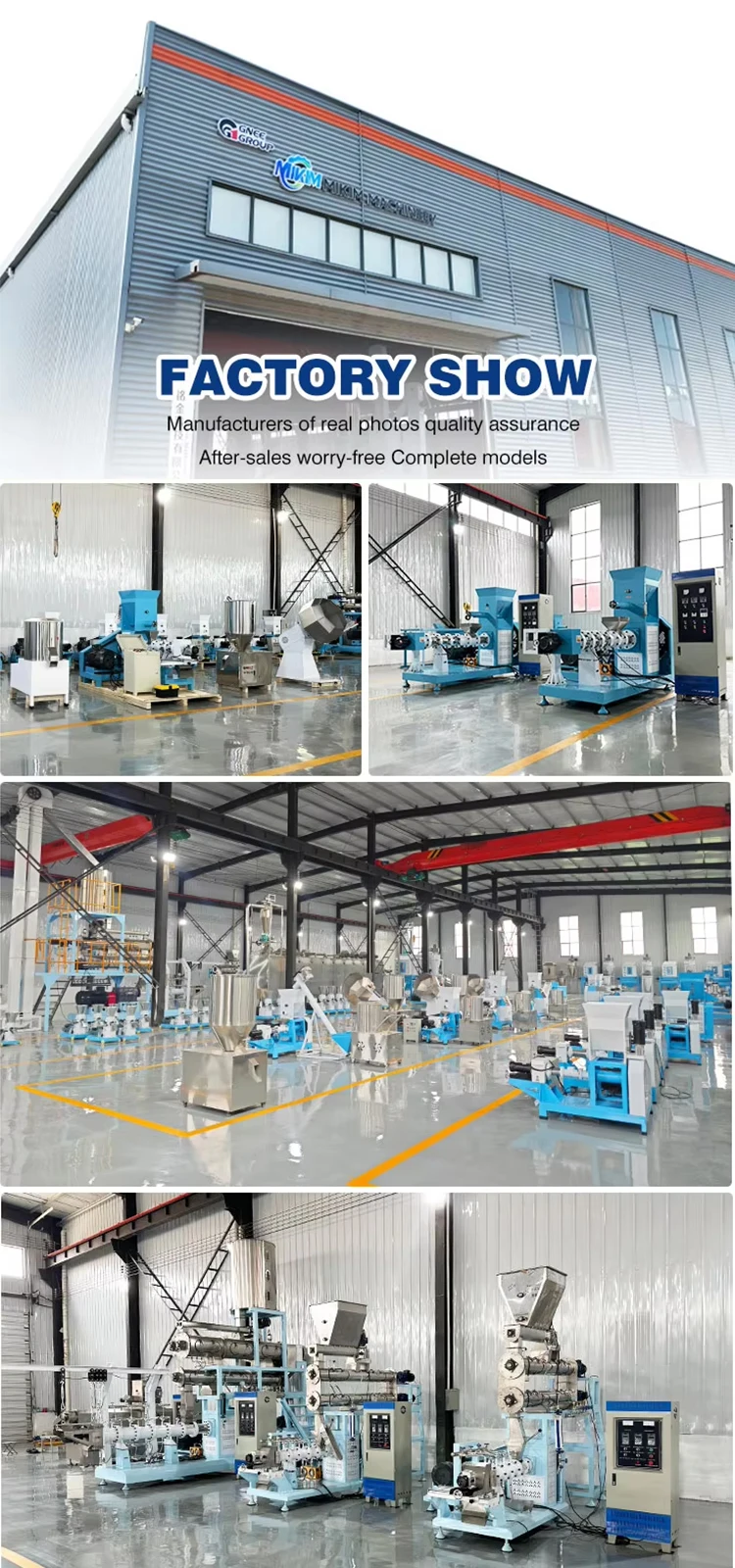
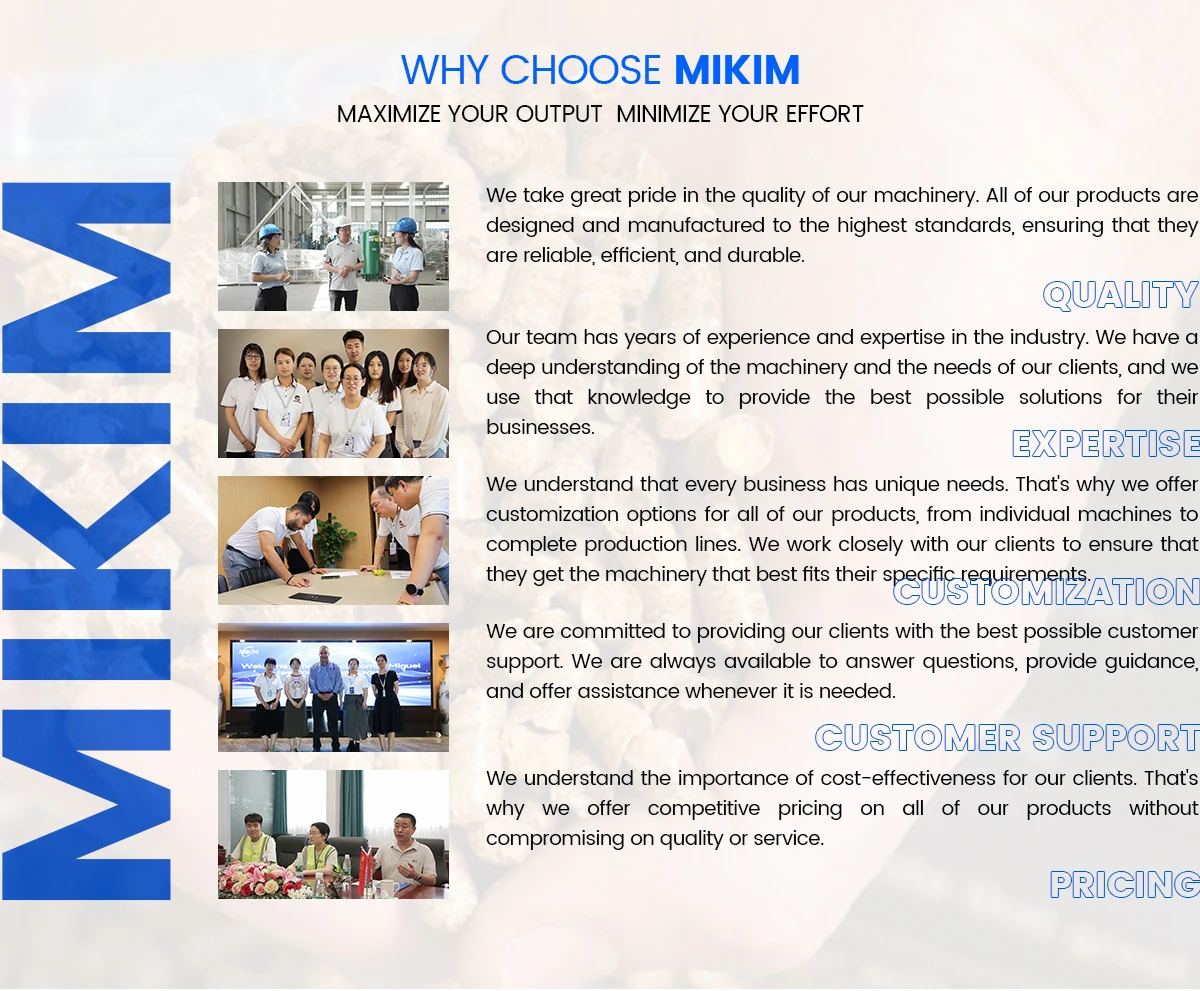
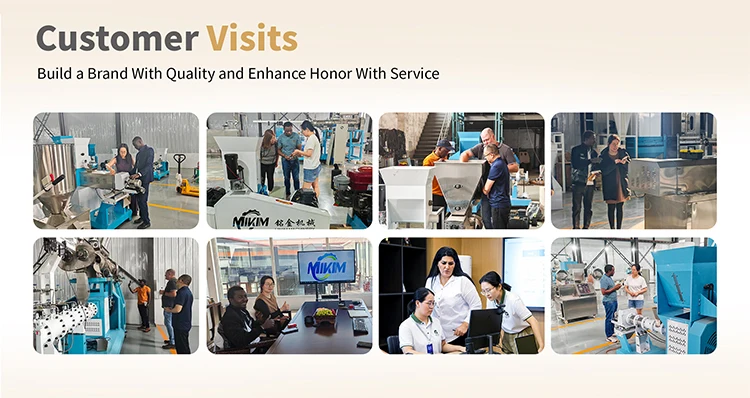
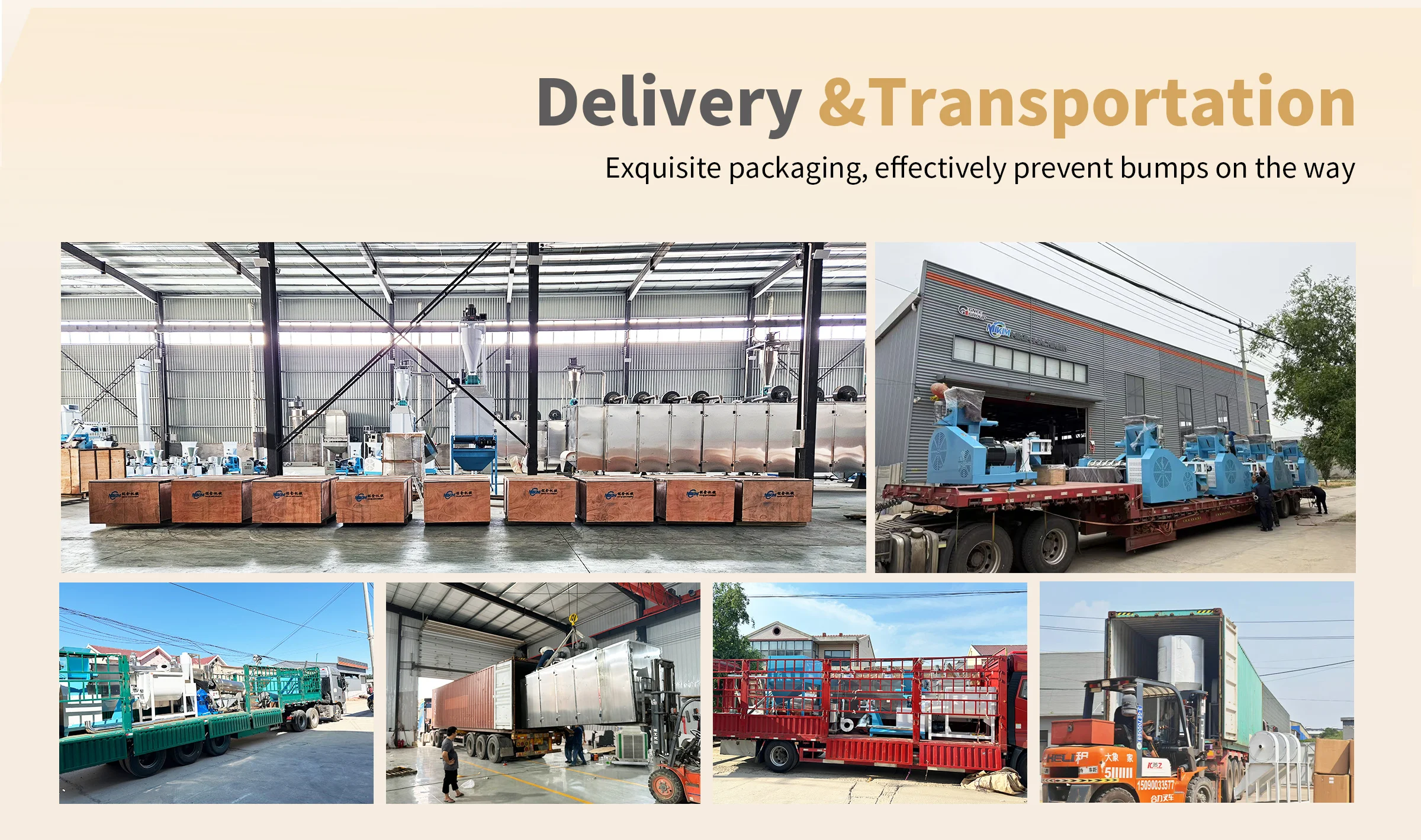
Company Profile


FAQ
1. What is the price of the cat food pellet machine?
The price ranges from approximately $1,500-$105,000
2. Do you provide maintenance services for your customers?
Yes, we offer comprehensive after-sales maintenance services to our customers.
To explore which twin screw pet food machine model is suitable for your product line, view our full range of equipment or contact our team for a customized production plan.


