


How to Properly Maintain Vulnerable Parts of a Floating Fish Feed Pellet Extruder Machine?
Leave a message
The floating fish feed pellet making machine operates under high temperature, high pressure, and high speed during production, causing wear and tear on some components such as the screw, heater, screen, and bearings due to frequent use. Maintaining these vulnerable parts directly affects the equipment's production efficiency and stability. Regular inspection, cleaning, lubrication, and replacement can prevent downtime due to component failure and improve the overall performance of the equipment.
Six effective ways to improve efficiency and reduce energy consumption
1. Screw and Propeller Blade Maintenance
The screw and propeller blades are among the most critical components of a floating fish feed production machine. They withstand immense pressure and friction, and are prone to wear after prolonged use, affecting the machine's production capacity and feed quality. Regularly inspecting the screw and propeller blades for wear is essential to maintain efficient operation.
- Regular Wear Inspection: If noticeable scratches or dents appear on the screw surface, it should be replaced or repaired promptly.
- Lubrication: Regularly lubricate the screw to reduce wear and ensure smooth operation.
- Replacement and Repair: If severe wear is found on the screw, it should be replaced promptly to avoid affecting feed extrusion efficiency.
2. Heater and Temperature Control System Maintenance
The heater is an indispensable component of a floating fish feed making machine, providing the necessary heat to the feed ingredients to ensure proper expansion. The temperature control system controls the heater temperature to ensure stability during production. After long-term operation, the heater and temperature control system may become contaminated or damaged, therefore requiring regular inspection and maintenance.
- Clean the heater surface: Regularly remove dust and impurities from the heater surface to prevent poor heat conduction.
- Check the temperature control system: Ensure the temperature control system sensors are functioning properly to prevent temperature fluctuations from affecting the production process.
- Regularly check the circuit: The heater's circuit system needs regular inspection to ensure stable circuit connections and prevent overheating or electrical malfunctions.
3. Screen and filter maintenance
Screens and filters play a crucial role in the floating fish food pellet maker machine. They filter out substandard materials, ensuring the quality of the extruded feed. Over time, screens are prone to clogging, affecting equipment efficiency. Therefore, regular cleaning and replacement of screens is essential.
- Regularly clean the screen: Clean the screen promptly after each production run to prevent feed residue from clogging the screen openings.
- Check for screen damage: Replace the screen as soon as possible if it is damaged or severely worn.
- Regularly replace the filter: Ensure the cleanliness and filtration effectiveness of the filter to guarantee feed quality.
4. Bearing and Transmission System Maintenance
Bearings and the transmission system are responsible for transmitting power and maintaining the stable operation of the sinking fish food pellet extruder machine. Because they bear significant pressure and load throughout the production process, they are prone to wear, loosening, or damage after prolonged operation.
- Regularly Lubricate Bearings: Provide bearings with an appropriate amount of lubricating oil to reduce friction and wear, extending bearing life.
- Inspect the Transmission System: Regularly check belts and gears for looseness or wear, adjusting or replacing them as necessary.
- Prevent Excessive Wear: Regularly check bearing temperature changes and noise levels to prevent overheating or abnormal wear.
5. Motor and Electrical System Maintenance
The motor and electrical system of the sinking fish feed extruder machine provide power to the equipment, ensuring its normal operation. The motor and electrical system are susceptible to dust, moisture, and external environmental factors, therefore requiring regular inspection and maintenance.
- Clean the Motor: Ensure the motor surface is free of dust and debris, maintain good ventilation, and prevent overheating.
- Inspect Electrical Connections: Check the stability of electrical wiring connections and for signs of aging or damage to electrical components.
- Regularly test electrical systems: Ensure the system is functioning properly by regularly testing its voltage, load, and output.
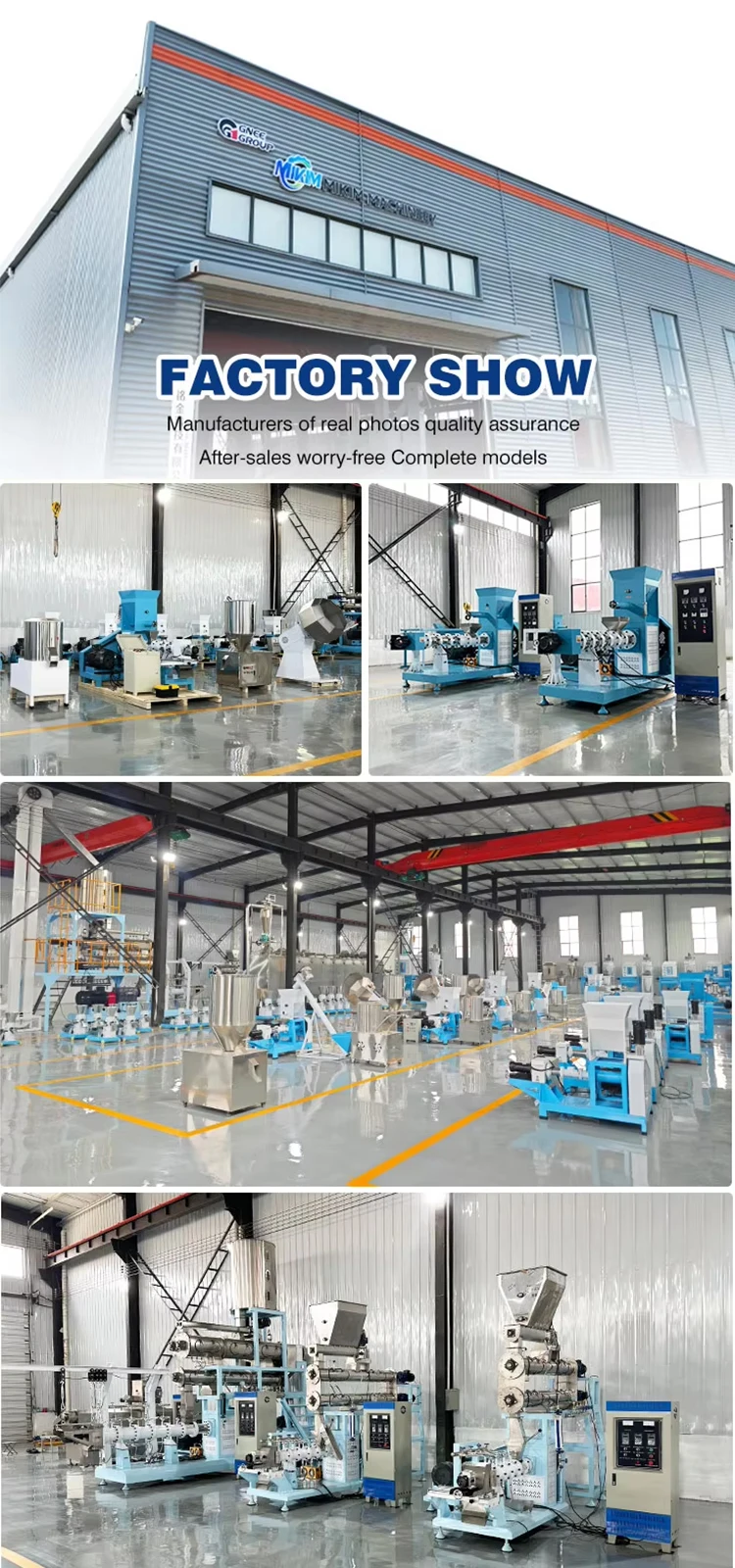
MIKIM's mini floating fish feed machine factory inventory video
Conclusion
The vulnerable parts of a small floating fish feed machine, such as the screw, heater, screen, bearings, and electrical system, are subjected to significant pressure and friction during production. Regularly inspecting, cleaning, lubricating, and replacing these critical components can greatly improve equipment efficiency and production stability, prevent downtime due to equipment failure, and reduce production losses. By following the maintenance techniques introduced in this article, you can keep your floating fish feed extruder in optimal working condition, extend its service life, and improve production efficiency.
Company Profile



FAQ
1. What is the price of the small sinking fish feed extruder machine?
The price ranges from approximately $1,500-$105,000
2. Do you provide maintenance services for your customers?
Yes, we offer comprehensive after-sales maintenance services to our customers.
To explore which twin screw pet food machine model is suitable for your product line, view our full range of equipment or contact our team for a customized production plan.


