Fish Feed Processing Line: High-Efficiency Production Guide
Leave a message
What Is a Fish Feed Processing Line?
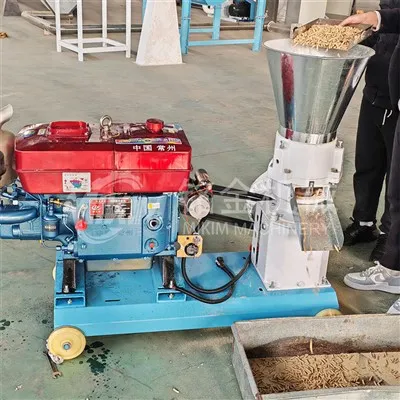
A fish feed processing line is used to produce both dry and wet fish meal pellets for aquariums, catfish, tilapia, freshwater fish, and tropical fish, among other species. A straightforward mechanical fish feed line turns grains into premium aquatic feed pellets for fish, catfish, shrimp, crabs, and other aquatic animals, and the puffed pellets can remain afloat on the water surface for more than 12 hours without dissolving. The equipment is composed of stainless steel, and the entire line is automatic and runs continuously.
Line Configuration and Materials
All of the equipment used to feed fish is made of stainless steel, which keeps the product clean and resists corrosion in wet production environments. The entire fish food line is automatic and operates continuously, so material flows from ingredient to finished pellet without manual handling. By altering the mould, the final fish food can have different sizes and shapes, and moulds in various sizes can be provided. A packing machine may also be supplied to complete the line, based on the needs of the operation.
Technical Specifications
| Model (Electric) | Capacity (kg/h) | Main Power | Cutting Blade Power | Cutting Power | Conditioner Power |
|---|---|---|---|---|---|
| 65 | 250-300 | 22 kW | 1.5 kW | 1.5 kW | 3 kW |
| 70 | 500-600 | 45 kW | 1.5 kW | 1.5 kW | 3 kW |
| 75 | 800-1000 | 55 kW | 1.5 kW | 1.5 kW | 3 kW |
| 85 | 1200-1500 | 90 kW | 3 kW | 2.2 kW | 5.5 kW |
| 95 | 2000-2500 | 110 kW | 3 kW | 3 kW | 11 kW |
| 120 | 3000-4000 | 160 kW | 5.5 kW | 3 kW | 15+7.5 kW |
| 136 | 5000-6000 | 200 kW | 7.5 kW | 5.5 kW | 22+7.5 kW |
Capacities range from 250-300 kg/h on model 65 to 5000-6000 kg/h on model 136, with main power from 22 kW to 200 kW. The power split between the main motor, cutter, and conditioner keeps pellet cutting accurate and gelatinization consistent at high throughput.
Water Stability and Water Quality Benefits
The pellet feed produced by this line features a compact structure and moderate hardness. It resists disintegration and dispersion after being introduced into the water, maintaining a stable shape for 1-2 hours. This reduces feed waste caused by dissolution, prevents water contamination from residual bait, and reduces ammonia nitrogen and nitrite levels in the water, which eases the burden of water quality management in aquaculture.
Pellet Flexibility and Selection Tips
The line allows flexible adjustment of pellet parameters. By replacing moulds, it can produce pellets with sizes ranging from 0.5 mm to 10 mm, accommodating the diverse feeding habits of aquatic animals such as grass carp, sea bass, and shrimp. Pellets matched to the species are consumed more easily, which improves feed utilization and indirectly reduces aquaculture costs. When selecting a line, match the model to the planned output, and confirm the mould set covers the pellet sizes required by the target species.
FAQ
Which fish species can be fed with pellets from this line?
The line produces dry and wet fish meal pellets for aquariums, catfish, tilapia, freshwater fish, and tropical fish, and the pellets suit other aquatic animals such as shrimp and crabs.
What materials are used to build the line?
All fish feed equipment is made of stainless steel, which keeps the feed clean and resists corrosion in humid production environments.
How long do the pellets stay stable in water?
The pellets have a compact structure and moderate hardness, maintaining a stable shape for 1-2 hours in water, which reduces feed waste and water pollution.
What pellet sizes can be produced?
By replacing moulds, the line can produce pellets from 0.5 mm to 10 mm, matching the feeding habits of grass carp, sea bass, shrimp, and other species.
How does the line help water quality management?
Stable pellets reduce dissolution and residual bait, lowering ammonia nitrogen and nitrite levels in the water and easing the burden on the aquaculture water system.
What capacity range is available?
Seven models cover capacities from 250-300 kg/h to 5000-6000 kg/h, with main power from 22 kW to 200 kW.