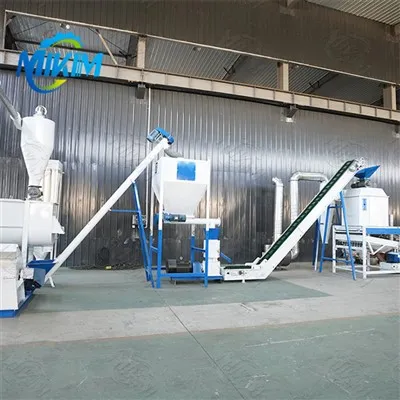
Fish Food Production Line: Fish Flake Food Machine Guide
Leave a message
What Is a Fish Food Production Line?
A fish food production line is a specialized equipment system that integrates raw material processing, mixing, granulation, cooling, screening, and packaging into one continuous workflow. It converts dispersed raw materials such as fish meal, soybean meal, grains, and vitamins into granular fish feed according to a scientific formula, delivering standardized and nutritionally balanced feed for aquaculture. Because all stages are linked, the line acts as the core carrier of modern industrialized aquatic feed production and gives fish farms consistent quality batch after batch.
Key Technical Specifications of Common Line Models
The table below shows four typical models of fish food production lines. Installed power is the total rated power of all motors on the line, while real consumption is the actual power drawn during normal operation, which is normally lower because not every motor runs at full load at the same time.
| Model | Installed Power | Real Consumption | Capacity |
|---|---|---|---|
| 70 | 90 kW | 63 kW | 150-200 kg/h |
| 85 | 145 kW | 102 kW | 300-500 kg/h |
| 100 | 170 kW | 120 kW | 1,000-1,500 kg/h |
| 135 | 240 kW | 165 kW | 2,000-3,000 kg/h |
Material and Automation Advantages
The production equipment is constructed of stainless steel, which provides strong corrosion resistance and dimensional stability, keeps the production process hygienic and safe, and extends the service life of the line. The whole line uses a fully continuous, fully automated design that requires minimal manual intervention. This configuration reduces the chance of operator error, improves production efficiency, and makes product quality more consistent across shifts and production days.
Product Customization and Nutritional Optimization
Fish feed shape and size can be adjusted flexibly by replacing molds of different specifications, so one line can produce pellets suited to different aquatic species and growth stages. The line also allows precise control of the feed formula, which makes it practical to raise the protein content of the feed. A high-protein formula increases nutritional density and is easier for aquatic animals to digest and absorb, which in turn improves the profitability of the aquaculture operation. Formula management should be supported by ingredient analysis and regular laboratory checks so the protein and energy levels actually delivered match the target.
Producing Floating and Sinking Feed on One Line
A comprehensive fish food production line can produce both floating and sinking fish feed, which widens its application range considerably. Floating feed stays on the surface for species that feed near the water surface, allowing the farmer to observe feeding activity directly, while sinking feed suits bottom-feeding species and reduces surface waste. Because the two product types are made on the same line, the producer can switch between them according to the species being farmed without investing in a second system. This flexibility makes the line a practical choice for farms that raise multiple species or change their production plan seasonally.
FAQ
What is the price of a fish food production line?
According to the published specification of this line series, the price ranges from approximately US$12,000 to US$46,000, depending on the model, line configuration, and optional equipment included.
What is the difference between installed power and real consumption?
Installed power is the sum of the rated power of all motors on the line, used for wiring and supply planning. Real consumption is the power actually drawn during normal running, which is lower because motors rarely run at full load simultaneously; for example, the 70 model has 90 kW installed but typically consumes about 63 kW.
Can one line produce both floating and sinking fish feed?
Yes. The line supports both floating and sinking products, so farms raising different fish species can switch product types without installing a second production system.
How is pellet size and shape changed?
Pellet size and shape are adjusted by replacing the molds on the granulation stage. Different mold specifications produce pellets suited to different aquatic species and growth stages, from small starter crumbles to larger grow-out pellets.
Why does a high-protein formula matter for aquaculture profitability?
A high-protein formula raises the nutritional density of the feed and improves digestibility and absorption, so fish convert feed into body mass more efficiently. Better feed conversion reduces the feed cost per kilogram of fish produced.
What maintenance support is available for the line?
Comprehensive after-sales maintenance services are offered to customers, including regular inspection of key components such as dies, rollers, and seals, timely replacement of wear parts, and guidance that helps operators keep the line running at stable quality.