High-efficiency grinding techniques to improve feed intake efficiency in Lucerne pellet machines
Leave a message
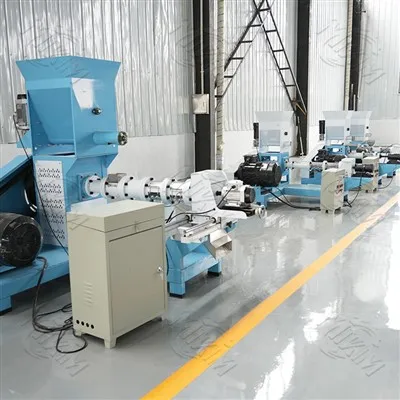
The core grinding principle of animal pellet machines is "appropriate fineness and high batch efficiency." Different growth stages of poultry require different particle sizes; chicks need a finer 60-80 mesh, while adult chickens are better suited to 40-60 mesh. The grinding process must balance production efficiency and feed quality, and is divided into three stages: batch pretreatment, segmented grinding, and efficient cleaning.
Batch pretreatment is fundamental to improving grinding efficiency. Poultry feed ingredients are abundant, commonly including corn, soybean meal, bran, and rapeseed meal. Batch screening is necessary, using a vibrating screen for grading and filtration to remove stones from corn and lumps from soybean meal. The screened ingredients are then mixed in batches according to the formula, with each batch controlled at 500 kg, suitable for the production efficiency of small to medium-sized hay pellet machines. The moisture content of the raw materials is uniformly adjusted to 13%-16%. If the moisture content is too high, batch drying is used; if it is too low, spray humidification is employed to ensure uniform moisture content and prevent clogging or dust problems during grinding. For ingredients containing anti-nutritional factors, such as rapeseed meal, detoxification treatment is required before grinding to avoid affecting poultry growth.
The segmented grinding operation balances efficiency and quality, employing a two-step "coarse grinding + fine grinding" method, eliminating the need for three grinding stages and improving production efficiency. In the coarse grinding stage, the mixed raw materials are fed into the pellet mill, the grinding disc gap is adjusted to 2.0mm, and the spindle speed is set to 1800r/min, quickly grinding the raw materials to 20-30 mesh. This stage can achieve an hourly output of 200kg, meeting the needs of mass production. After coarse grinding, the material is screened through a 50-mesh sieve; large particles that do not meet the standard are collected and reintroduced into the coarse grinding stage to ensure uniformity of the coarse grinding product. In the fine grinding stage, parameters are adjusted according to the poultry's growth stage. When producing chick feed, the gap is adjusted to 0.5mm to obtain 60-80 mesh fine powder; when producing adult chicken feed, the gap is adjusted to 0.8mm to obtain 40-60 mesh pellets. Continuous feeding is used during fine grinding, with the feeding speed controlled by an automatic feeder to avoid fluctuations in grinding quality caused by uneven manual feeding.
Efficient cleaning and attention to precautions are key to ensuring continuous production. During batch grinding, the machine must be stopped and cleaned every 1000kg of feed produced. Compressed air is used to quickly blow away any residual raw materials in the grinding chamber to avoid cross-contamination between different batches of feed. The cleaning time should be controlled within 5 minutes to minimize production interruptions. Regarding the maintenance of the pellet machine for chicken feed, the wear of the grinding discs is checked weekly. Adult chicken feed, due to its coarser particles, wears out faster and requires timely replacement. The transmission system is lubricated monthly to ensure smooth spindle rotation. For grinding quality control, particle size is sampled and tested. At least 90% of chick feed should be 60 mesh or finer, and at least 95% of adult chicken feed should be 40 mesh or finer. Furthermore, the fineness of feed for waterfowl such as ducks and geese can be appropriately reduced to 30-50 mesh, as their digestive capacity is stronger than chickens, and coarser particles can increase their feeding interest.
Related equipment



about Us
Customer visit

Certificate of Honor

FAQ
1. What is the price of the animal feed making machine?
The price ranges from approximately $2,500-$35,000
2. Do you provide maintenance services for your customers?
Yes, we offer comprehensive after-sales maintenance services to our customers.