


What are the most important aspects of grinding in a machine that produces cow feeding pellets?
Leave a message
Rumen digestion in cattle and sheep relies on the stimulation of roughage. Feed grinding needs to control the length of roughage to 1-3mm, which facilitates chewing and promotes rumen motility. The grinding method of small cattle food machines should revolve around the core principle of "controlling fiber length and adapting to roughage," and is divided into three stages: roughage pretreatment, differentiated grinding operation, and post-grinding mixing.
Roughage pretreatment is crucial. Commonly used roughages in cattle and sheep feed, such as corn stalks, wheat stalks, and peanut vines, need to be chopped into 5-10cm pieces using a chaff cutter, and then softened using a shredder to break down the waxy layer on the surface of the stalks, facilitating subsequent grinding. High-quality forage such as alfalfa and sheepgrass need to be processed separately to avoid nutrient loss due to mixing with straw during grinding. Concentrates such as corn and soybean meal should be screened and impurities removed using conventional methods, and the moisture content adjusted to 14%-17%. Roughage and concentrates must be ground separately and should not be mixed to prevent the hard fibers in the roughage from affecting the grinding quality of the concentrate.
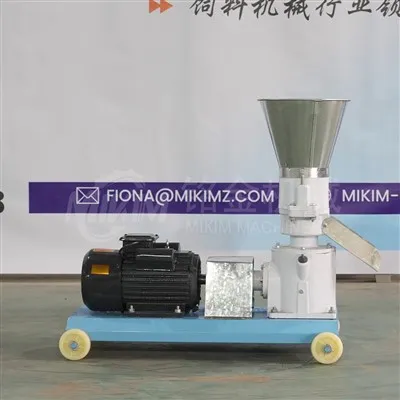
Differentiated grinding operations are key, with different grinding parameters used for roughage and concentrate. When grinding roughage, adjust the grinding disc gap of the Alfalfa pellet making machine to 3.0-5.0 mm and the spindle speed to 1000-1200 rpm to reduce grinding intensity and ensure the straw is ground to 1-3 mm fiber segments, not fine powder. A magnetic separator should be installed at the feed inlet during grinding to remove impurities such as nails and wires that may be trapped in the straw, preventing damage to the grinding components. Concentrate grinding uses a "medium fineness" standard, with the grinding disc gap adjusted to 1.0 mm, yielding 30-40 mesh particles. Excessive fineness is unnecessary to avoid rapid fermentation in the rumen, which can cause bloating. For young ruminants such as calves and lambs, roughage needs to be appropriately refined, with the gap adjusted to 2.0 mm and the fiber length controlled at 0.5-1 mm. Concentrate should be ground to 50-60 mesh for easy digestion and absorption.
Post-grinding mixing and precautions must consider both nutrition and digestibility. After grinding roughage and concentrate, mix them in a specific ratio. The roughage percentage should be adjusted according to the growth stage: 60%-70% for adult cattle and 30%-40% for calves. Add a suitable amount of baking soda during mixing to adjust the pH of the feed and adapt it to the acidic environment of the rumen.
Regarding the maintenance of the grass pellet maker, the grinding chamber retains a lot of fiber after grinding roughage, which needs to be cleaned with a special scraper to prevent fiber from getting tangled on the grinding disc and affecting future use. The grinding disc is made of wear-resistant alloy to cope with the high wear of roughage; check the wear condition monthly and repair by welding as needed. Furthermore, the grinding method needs to be adjusted according to the season. In winter, the fineness of the concentrate can be increased to increase energy supply; in summer, the proportion of roughage should be increased to regulate rumen temperature through fiber.
Related equipment


about Us
Customer visit

Certificate of Honor

FAQ
1. What is the price of the grass pellet making machine?
The price ranges from approximately $2,500-$20,000
2. Do you provide maintenance services for your customers?
Yes, we offer comprehensive after-sales maintenance services to our customers.


