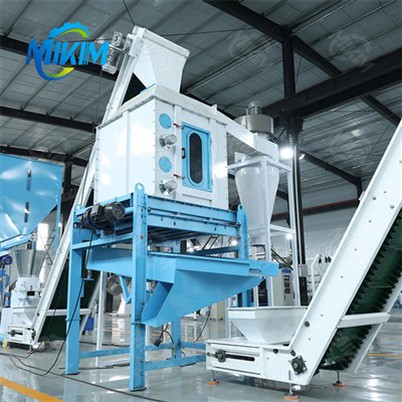
How can a wet fish feed pellet processing machine achieve energy-efficient and high-performance production?
Leave a message
content
Process parameter optimization: Reducing unit energy consumption of wet floating fish feed machines. The core technique is to achieve a precise balance of temperature, pressure, and speed to avoid excessive energy consumption. For example, when producing adult fish feed, the extrusion temperature is controlled at 140℃ (instead of 160℃), the screw speed at 280 r/min, and the steam pressure at 0.4 MPa. This ensures sufficient starch gelatinization while reducing heating and motor energy consumption, resulting in a 15%-20% reduction in unit energy consumption. Simultaneously, batch production is rationally planned. The optimal operating batch size for wet pet food processing machines is 500-1000 kg, avoiding frequent small-batch starts and reducing energy waste during equipment startup (start-up energy consumption is 1.5 times that of normal operation). Furthermore, energy saving in the raw material pretreatment stage is achieved by concentrating the raw material crushing and mixing processes to avoid repeated starts. The mixer running time is controlled at 8-12 minutes (instead of more than 15 minutes), ensuring uniform mixing while reducing energy consumption.
Production process planning: Improving production efficiency. Adopting a continuous production model, the processes of raw material pretreatment, wet extrusion, cooling and drying, and packaging are rationally connected to avoid efficiency losses caused by process interruptions. For example, after raw material pretreatment, it is directly fed into the feed hopper of the wet fish feed extruder machine through a conveyor pipeline, reducing manual handling time; after pelleting, it immediately enters the cooler, and after cooling to room temperature, it directly enters the dryer, and finally is packaged by an automatic packaging machine, achieving full automation and increasing production efficiency by more than 30%. At the same time, production time is rationally scheduled to avoid peak electricity consumption periods, which not only reduces electricity costs (peak electricity prices are 1.5-2 times higher than off-peak prices) but also avoids the impact of voltage fluctuations on equipment operational stability. A production shift system is established to ensure 24-hour continuous operation of equipment (rationally scheduling equipment maintenance time) and improve equipment utilization.
Equipment energy-saving retrofit: Long-term reduction in energy consumption. Energy-saving modifications to the steam system, such as installing steam recovery devices to recover waste heat from the cooler for preheating raw materials or heating boiler feedwater, can reduce steam energy consumption by 20%-25%. Adding frequency converters to the motors allows for speed adjustments based on production capacity, preventing the wet dog food processing machine motor from operating under no-load or full-load conditions. For example, reducing motor speed during small-batch production can lower energy consumption by 10%-15%. Furthermore, insulation modifications to the extrusion chamber, such as wrapping it with insulation cotton, reduce heat loss and lower heating element energy consumption. Regularly cleaning the equipment's heat dissipation channels and filters improves cooling and drying efficiency and reduces equipment operating time. For example, a feed mill reduced the unit energy consumption of its wet pet food processing machine from 200 yuan/ton to 160 yuan/ton through these modifications, saving over 100,000 yuan in energy costs annually.
Related equipment


about Us
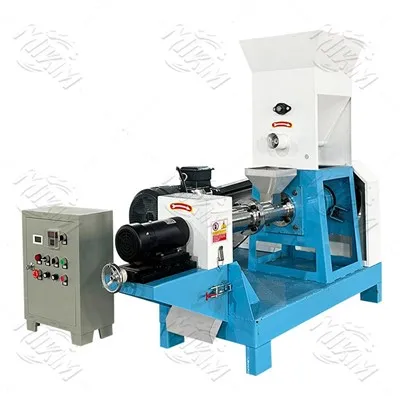
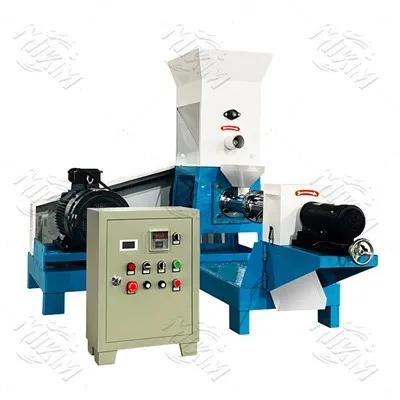
MIKIM's fish feed pellet production lines and supporting machinery offer excellent value for money. Not only are they affordable, eliminating middlemen markups and allowing small and medium-sized enterprises (SMEs) and fish farmers to purchase complete sets of equipment at reasonable costs, but they also boast exceptional efficiency. The fully automated process, from raw material crushing and precise ingredient mixing to extrusion pelleting and maturation, is completed in one continuous flow. This results in high starch gelatinization rates and uniform pellet formation, significantly improving production efficiency and feed quality, truly achieving "low cost, high output." Choosing a MIKIM fish feed pellet production line means enjoying comprehensive pre-sales and after-sales service, including 24-hour online customer support, a one-year warranty on the entire machine, professional on-site installation, commissioning, and maintenance, and a stable supply of spare parts. Customers can buy with confidence and use with peace of mind, with both excellent value and service quality!!!
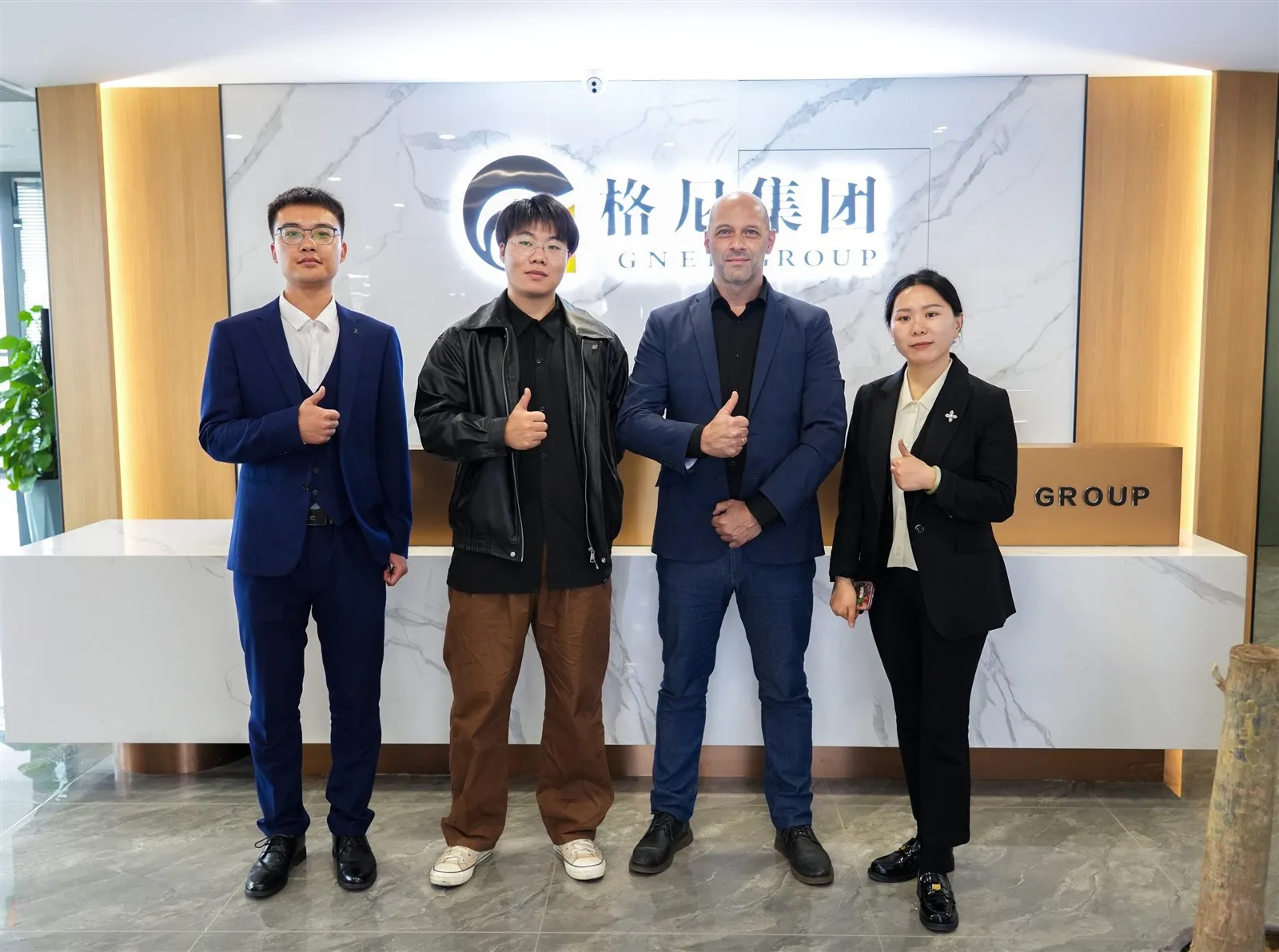
Customer visit
Certificate of Honor

FAQ
1. What is the price of the Pet food manufacturing Machine?
The price ranges from approximately $1,500-$55,000
2. Do you provide maintenance services for your customers?
Yes, we offer comprehensive after-sales maintenance services to our customers.
If you would like to learn more about MIKIM machinery, please contact us. We offer one-stop service and welcome your inquiries!!!