Daily Use and Management of a Chicken Feed Pellet Production Line
Leave a message
Overview of the Line and Its Daily Operating Rules
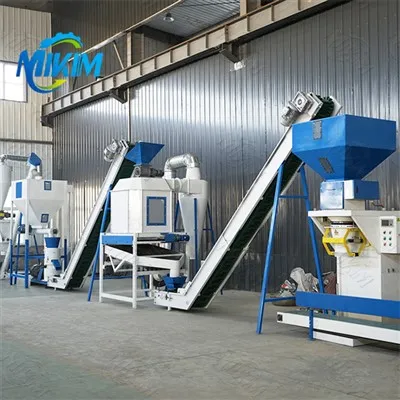
A complete chicken feed pellet production line links grinding, conveying, mixing, pelleting, cooling and packing into one continuous process. A typical large commercial line is rated at 15 to 20 tons per hour, can produce chicken, sheep, cow and shrimp feed, and normally needs 4 to 5 workers per shift. The pellet diameter can be selected from roughly 1 to 12 mm according to the animal species and growth stage. These are supplier reported typical values and depend on the actual configuration. Whatever the size of the line, daily management follows the same logic: standard procedures, regular maintenance, parameter monitoring, quick fault response, and a safe, clean environment.
Regular Maintenance Planning
Equipment maintenance is essential for reliable operation. It includes cleaning the interior of the equipment, lubricating moving parts, and replacing worn parts before they fail. Build the maintenance plan from the manufacturer recommendations and the real workload, then inspect the hammer mill screens, screw conveyor seals, mixer paddles, pellet die and cooler on a fixed schedule and deal with any abnormality promptly.
Keep consumable spare parts such as screens, dies, rollers and belts in stock so that a single failure does not stop the line for days.
Record every maintenance action with the date, the running hours and the parts replaced.
Check die hole condition, roller gap and belt tension at the start of each shift.
Clean the dust collection system on a schedule rather than only when the pressure drop rises.
Monitoring Key Production Parameters
Use the automatic control system or manual monitoring to keep temperature, pressure and speed inside their normal ranges. In a fully automatic line, intelligent batching keeps the formula accurate and the output stable, and the control system should raise an alarm as soon as a parameter leaves its window. Adjust parameters promptly when they drift, because abnormal parameters are the most common cause of quality problems and equipment damage. Pay particular attention to three values: the steam pressure in the conditioner, the die temperature, and the current drawn by the pellet mill main motor, which is a direct indicator of load.
| Parameter | Typical setting | What to watch for |
|---|---|---|
| Pellet diameter | 1 - 12 mm | Matched to species and feed stage |
| Line output | 15 - 20 t/h | Falls first when die holes block |
| Conditioner steam | According to formula | Too little steam gives brittle pellets |
| Motor current | Within nameplate rating | A steady rise means increasing load |
| Moisture, cooled pellets | 12 percent or below | Higher moisture shortens storage life |
Fault Diagnosis and Troubleshooting
Equipment may develop faults during operation, such as abnormal vibration, increased noise and reduced output. Establish a contingency plan so that every operator knows the emergency stop procedure and the order in which sections are isolated. Train operators to recognise the common cause behind each symptom: vibration usually points to an unbalanced rotor or a worn bearing, increased noise often comes from insufficient lubrication or a foreign object, and reduced output is frequently caused by blocked die holes or a slipping belt. Acting on a correct first diagnosis minimises losses and prevents secondary damage.
Environmental Protection and Safety Management
Keep the production environment clean and tidy, reduce dust and waste accumulation, and remove fire and other safety hazards. Dust from grinding and pelleting is both a health risk and an explosion risk, so keep the line and the workshop floor clean, check the dust collection system regularly, and store raw materials and finished products in dry conditions away from ignition sources. Follow the local regulations for feed production and make sure that electrical cabinets, ventilation and firefighting equipment are inspected on schedule. A clean plant is also a prerequisite for feed hygiene and for passing customer and regulatory audits.
Frequently Asked Questions
Q: How many workers are needed to run a chicken feed pellet line?
A large commercial line of 15 to 20 tons per hour normally needs 4 to 5 workers per shift, including the operator at the control panel and the packing station.
Q: What is the most important parameter to watch during production?
The current drawn by the pellet mill main motor. It rises whenever die holes begin to block or the feed moisture changes, so it gives the earliest warning of a problem.
Q: How do I stop vibration from damaging the pellet mill?
Check the rollers for uneven wear and the die for a loose fit, stop the machine, and rebalance or replace the worn parts before restarting production.
Q: How often should the pellet die be inspected?
Inspect the die at every shift change and measure the roller gap, then clean or replace the die when the output for the same motor load starts to fall.
Q: Why does pellet quality change without any setting change?
Raw material moisture and grinding fineness usually vary first. Check the incoming grain, the crusher screen condition and the steam supply before adjusting the pellet mill.
Q: Is a clean workshop really part of line management?
Yes. Dust control protects both the workers and the equipment, reduces the risk of fire, and is required for feed hygiene audits and customer inspections.