How to choose a suitable ruminant feed production line?
Leave a message
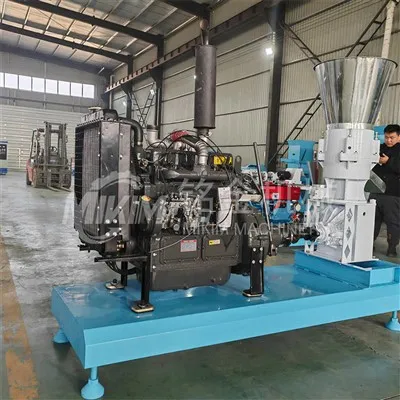
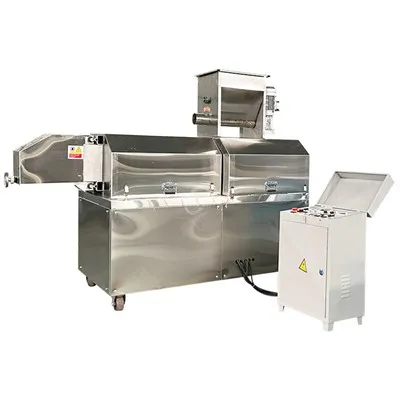
Choosing suitable ruminant feed processing equipment is the key to ensuring feed quality and improving production efficiency. This article will introduce in detail how to choose suitable ruminant feed processing equipment from multiple aspects.
Before choosing ruminant feed processing equipment, you must first clarify your own production needs:

| Model | Capacity(t/h) | Power(kw) | Screw Diameter(mm) | Weight |
| 75-B | 0.3-0.4 | 22 | 80 | 1000 |
| 85-B | 0.5-0.6 | 30 | 90 | 2000 |
| 90-B | 0.6-0.7 | 37 | 100 | 2100 |
| 100-B | 0.7-0.8 | 55 | 120 | 2200 |
| 135-B | 1-1.5 | 75 | 135 | 3200 |
| 145-B | 2-3 | 90 | 145 | 4000 |
| 160-B | 3-4 | 110 | 160 | 4500 |
| 175-B | 4-5 | 132 | 175 | 5000 |
1. Production scale: large-scale manufacturers need to choose equipment with high automation and strong production capacity to improve production efficiency; while small family farms can choose semi-automatic or manual equipment to reduce initial investment costs.
2. Product type: Different ruminant feed products have different requirements for equipment. For example, the processing methods of concentrate and roughage are different, and the equipment required is also different.
3. Raw material characteristics: The types and characteristics of raw materials in different regions vary. The selection of equipment needs to consider the processing requirements of local common raw materials such as corn, soybean meal, bran, etc.