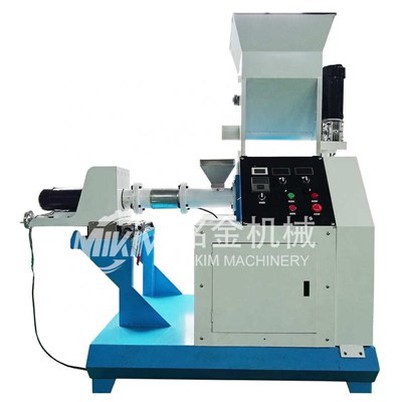
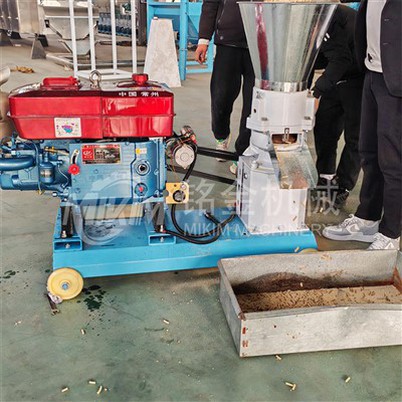
Replacing the Differential of a Poultry Feed Mill in Winter
Leave a message
Why Low Temperatures Complicate the Job
When the workshop temperature drops, replacing the differential of a small poultry feed machine becomes much harder. Lubricating oil thickens and drains slowly, sealant loses fluidity and may fail to adhere, and metal parts become more brittle. Without preparation, the new differential can shift during installation or the seal can leak as soon as the machine is started. The solution is a step-by-step procedure that preheats tools and parts, keeps the working area warm, and lets the sealant cure before load is applied.
Prepare Tools, Parts, and the Work Area
Preheat socket wrenches, torque wrenches, and other tools in the workshop for 30 minutes to reduce the risk of brittle fracture at low temperatures. Place new differentials, sealants, and lubricating oil in an indoor environment above 20 degrees Celsius for 4 hours before the job, so the oil does not solidify and the sealant stays workable.
Build a temporary insulation shed around the pellet mill and use heaters to raise the maintenance area above 10 degrees Celsius. If a shed is not possible, wrap the differential mounting area with insulation cotton to limit heat loss. Prepare a heating rod of about 1000 W for heating the lubricating oil, an antifreeze cleaning agent, and a low-temperature sealant rated from -40 degrees Celsius to 120 degrees Celsius.
Drain, Clean, and Install
Unscrew the drain bolt to drain the old lubricant. Because the oil is viscous in cold weather, draining takes longer; insert a heating rod into the drain hole with proper insulation to speed it up. After draining, heat the mounting chamber for 15 minutes so the surface temperature rises above 10 degrees Celsius, otherwise the sealant will not adhere.
If a bolt is frozen and will not turn, apply a small amount of loosening agent, wait 5 minutes, and try again. Never strike bolts with a hammer. Clean the mounting chamber with an antifreeze cleaner so that no residual liquid freezes, then wipe the surface dry with a clean cloth.
Apply Sealant, Tighten, and Cure
Apply the low-temperature sealant to the preheated sealing surface of the new differential in a layer about 0.8 mm thick, and install the part immediately, because the sealant solidifies quickly in the cold. Align the bolts with the positioning holes and pre-tighten them rapidly so the differential does not shift as it cools.
Use a step-by-step tightening and heat-curing sequence. Pre-tighten the bolts to 100 N-m, then leave the assembly in the insulated chamber for 20 minutes so the sealant cures initially. Next, tighten the bolts to the torque specified by the equipment manufacturer, then leave the assembly standing for another 30 minutes to complete the adhesion.
Heat the Oil, Fill, and Test
Heat the lubricating oil to approximately 30 degrees Celsius with the heating rod, and do not exceed 40 degrees Celsius. Inject the oil slowly, stirring constantly so it flows evenly and does not solidify locally, then tighten the filler cap bolt and wrap the differential housing with insulation cotton.
Before the test, run the pellet feed making machine idle for 10 minutes so the differential temperature rises gradually. Only start the load test after the housing temperature reaches above 20 degrees Celsius, and plan for a load test of about 1 hour. After shutdown, wrap the differential again so the oil does not solidify from a rapid temperature drop.
FAQ
Why must tools and new parts be preheated?
Cold metal is more brittle, and cold oil and sealant are hard to work with. Tools are preheated in the workshop for 30 minutes and new parts are kept above 20 degrees Celsius for 4 hours.
What sealant should be used in low temperatures?
Use a low-temperature special sealant with a temperature resistance range of -40 to 120 degrees Celsius, applied in a layer about 0.8 mm thick on the preheated sealing surface.
How should the mounting bolts be tightened?
Pre-tighten to 100 N-m, cure for 20 minutes in an insulated chamber, tighten to the torque specified by the equipment, then cure for another 30 minutes.
Why heat the lubricating oil before filling?
Heated oil flows evenly and avoids localized solidification. Heat it to about 30 degrees Celsius and never exceed 40 degrees Celsius.
When can the machine be load-tested after the replacement?
Run the machine idle for 10 minutes first, and start the load test only after the housing temperature rises above 20 degrees Celsius.
What should I do if a mounting bolt is frozen?
Apply a small amount of loosening agent, wait about 5 minutes, and try again. Do not strike the bolt with a hammer.