How to extend the lifespan of a dog food pellet mill?
Leave a message
content
Standardized Maintenance System: Tiered and Categorized, Full-Process Coverage
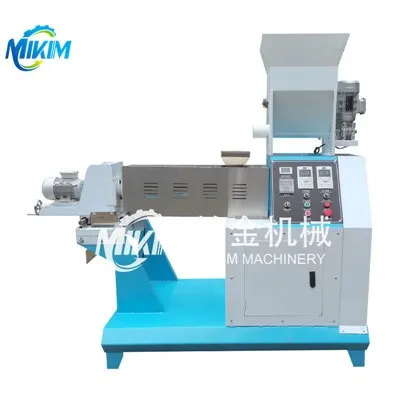
A four-tiered maintenance system-daily, weekly, monthly, and quarterly-is established to clearly define the maintenance focus at each stage, ensuring no omissions. The core focus is on the dog food pellet maker machine.
1. Daily Maintenance (15-20 minutes): Focuses on cleaning and inspection, removing residual material from the extruder, checking operating parameters and lubrication levels, and recording equipment operating status.
2. Weekly Maintenance (30 minutes): Focuses on component inspection and maintenance, checking the wear of the extruder screw and die, cleaning sludge from the lubrication system, and tightening loose parts.
3. Monthly Maintenance (1-2 hours): Focuses on deep cleaning and component calibration, disassembling core components of the extruder, thoroughly removing stubborn stains and sludge, and calibrating the die orifice diameter, temperature, and pressure sensors.
4. Quarterly Maintenance (4-6 hours): Focuses on comprehensive overhaul and potential hazard identification, replacing aging components (such as seals and bearings), checking the operating status of the dog food pellet machine motor and gearbox, and optimizing the maintenance plan.
Maintenance Responsibilities and Processes: Clear Division of Labor to Ensure Implementation
Core Requirements:
1. Clearly define responsibilities and assign dedicated personnel to equipment maintenance, distinguishing between inspection personnel, maintenance personnel, and repair personnel, and clarifying their respective duties (e.g., inspection personnel are responsible for daily inspections and recording, while maintenance personnel are responsible for regular lubrication and cleaning);
2. Standardize maintenance processes, ensuring each maintenance operation follows the process of "safety preparation → inspection → cleaning → maintenance → testing → recording" to ensure thorough maintenance;
3. Establish a maintenance assessment mechanism, regularly checking maintenance effectiveness and assessing personnel who fail to perform maintenance according to standards to ensure maintenance work is not merely a formality;
4. Strengthen personnel training, regularly providing professional training to maintenance personnel to improve their maintenance skills and troubleshooting abilities for equipment such as dog food pellet extruders.
Maintenance Effectiveness Monitoring: Regular Assessment and Continuous Optimization
Core Monitoring Methods:
1. Equipment Operation Index Monitoring: Regularly monitor the production efficiency, energy consumption, and downtime rate of the dog food pellet making machine. Decreased production efficiency, increased energy consumption, and higher downtime rates indicate inadequate maintenance, requiring optimization of the maintenance plan.
2. Component Lifespan Monitoring: Record the lifespan of core components of the extruder (screw, barrel, die head) and compare it to industry standards. If lifespan is shortened, analyze the causes (e.g., improper lubrication, non-standard operation) and adjust maintenance priorities.
3. Dog Food Quality Monitoring: After maintenance, sample dog food pellets for quality testing (uniformity, water resistance, nutrient retention). If quality declines, investigate extruder maintenance issues (e.g., die head wear, improper parameter calibration).
4. Regularly compile maintenance logs, analyze maintenance data, and optimize maintenance cycles and methods to ensure maintenance work aligns with the dog food extruder machine's operational needs, contributing to long-term stable equipment operation and simultaneously driving higher product page exposure and traffic conversion.
Related equipment


Finished Product Display

about Us
MIKIM's fish feed pellet production lines and supporting machinery offer excellent value for money. Not only are they affordable, eliminating middlemen markups and allowing small and medium-sized enterprises (SMEs) and fish farmers to purchase complete sets of equipment at reasonable costs, but they also boast exceptional efficiency. The fully automated process, from raw material crushing and precise ingredient mixing to extrusion pelleting and maturation, is completed in one continuous flow. This results in high starch gelatinization rates and uniform pellet formation, significantly improving production efficiency and feed quality, truly achieving "low cost, high output." Choosing a MIKIM fish feed pellet production line means enjoying comprehensive pre-sales and after-sales service, including 24-hour online customer support, a one-year warranty on the entire machine, professional on-site installation, commissioning, and maintenance, and a stable supply of spare parts. Customers can buy with confidence and use with peace of mind, with both excellent value and service quality!!!
Customer visit

Certificate of Honor

FAQ
1. What is the price of the Twin screw fish feed extruder machine?
The price ranges from approximately $1,500-$55,000
2. Do you provide maintenance services for your customers?
Yes, we offer comprehensive after-sales maintenance services to our customers.
To explore which twin screw pet food machine model is suitable for your product line, view our full range of equipment or contact our team for a customized production plan.