How to Lower the Cost of Floating fish feed extruder machines?
Leave a message
content
Standardize daily cleaning procedures to reduce component wear. After production, residual raw materials from the floating fish feed making machine will dry and harden on the screw, extrusion chamber, and die surface. If not cleaned in time, this can cause material jamming during the next startup, accelerate component wear, and the residual raw materials can mold and corrode the components. The standardized cleaning procedure is as follows: First, after stopping the machine, wait for it to cool down to below 50℃, then disassemble the die and screw, soak them in warm water for 10-15 minutes to soften the residual raw materials, and gently scrub them with a nylon brush (never use steel wool or other sharp tools) to avoid damaging the component surfaces; second, clean the inner wall of the extrusion chamber and the feeding system, using a high-pressure air gun to blow away the feed hopper and conveying pipes to prevent material residue from clogging them; third, clean the electrical system and heat dissipation components, wiping the motor heat sink and electrical control cabinet to prevent dust accumulation that can cause malfunctions.
Scientific lubrication and regular inspections extend the lifespan of core components. The lifespan of core components (screw, extrusion chamber, motor bearings) directly determines maintenance costs, making scientific lubrication crucial: Use high-temperature lubricating oil suitable for the operating temperature (120-160℃) of fish feed production equipment, regularly add lubricating oil to components such as motor bearings and screw bearings, and change the lubricating oil every 500 hours of operation to prevent dry friction damage caused by insufficient lubrication. Regular inspections should be documented: Check the screw thread wear every 200 hours of operation; repair any wear exceeding 2mm promptly; check the extrusion chamber bushing wear every 500 hours of operation, replacing the bushing only if necessary (no need to replace the entire extrusion chamber) to reduce replacement costs; check the die orifice diameter and sealing surface every 1000 hours of operation, repairing minor wear to prevent material leakage leading to raw material waste and equipment damage.
Predicting faults and implementing low-cost maintenance minimizes downtime losses. By monitoring the operational status of automatic fish food making equipment, potential faults can be predicted and addressed proactively to prevent minor issues from escalating into major repairs. For example, if the extruder makes abnormal noises or vibrates, it may indicate worn bearings or a loose screw. Immediately stop the machine, check and tighten the screws; the repair cost will only be a few hundred yuan. If the pellet extrusion effect suddenly decreases, it may be due to clogged or worn die heads. Clean or replace the die heads promptly to avoid batch waste caused by substandard products. During repairs, prioritize cost-effective parts. Core components can be selected from original equipment manufacturer (OEM) or aftermarket compatible parts (such as die heads and bushings), reducing costs by 30%-50% compared to OEM parts while ensuring quality. Simple faults (such as material jams or minor oil leaks) can be handled by in-house operators, avoiding the need to hire external repair teams and reducing labor costs.
Related equipment


about Us
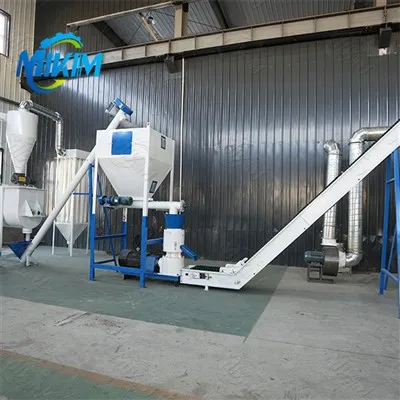
MIKIM's fish feed pellet production lines and supporting machinery offer excellent value for money. Not only are they affordable, eliminating middlemen markups and allowing small and medium-sized enterprises (SMEs) and fish farmers to purchase complete sets of equipment at reasonable costs, but they also boast exceptional efficiency. The fully automated process, from raw material crushing and precise ingredient mixing to extrusion pelleting and maturation, is completed in one continuous flow. This results in high starch gelatinization rates and uniform pellet formation, significantly improving production efficiency and feed quality, truly achieving "low cost, high output." Choosing a MIKIM fish feed pellet production line means enjoying comprehensive pre-sales and after-sales service, including 24-hour online customer support, a one-year warranty on the entire machine, professional on-site installation, commissioning, and maintenance, and a stable supply of spare parts. Customers can buy with confidence and use with peace of mind, with both excellent value and service quality!!!
Customer visit

Certificate of Honor

FAQ
1. What is the price of the Pet food manufacturing Machine?
The price ranges from approximately $1,500-$55,000
2. Do you provide maintenance services for your customers?
Yes, we offer comprehensive after-sales maintenance services to our customers.
If you would like to learn more about MIKIM machinery, please contact us. We offer one-stop service and welcome your inquiries!!!