How to reduce the high energy consumption of aquaculture feed equipment
Leave a message
Energy consumption (electricity and steam) in aquatic feed production accounts for 15%-20% of equipment costs, and many factories fail to pay attention to its control-grinders run idle for half a day, steam pipes leak and no one repairs them, resulting in a lot of wasted money over time. In fact, by doing a good job of energy consumption control, you can save a lot of electricity and steam without replacing equipment, and quietly reduce equipment costs.
Electricity Management: Don't Let Equipment "Idle"-Shut Down Promptly to Save Electricity
1. Grinding Machine: After grinding the raw materials, immediately turn off the machine. Don't let the grinding machine idle (idling for 1 hour consumes 1-2 kWh; idling for 2 hours a day will cost an extra 60-120 yuan in electricity bills per month). If you need to stop grinding material for more than 10 minutes, turn off the machine and wait for material to be added before turning it back on.
2. Mixer: After mixing a batch of raw materials, immediately unload the material and then turn off the machine. Don't let the mixer idle while waiting for the next batch (idling for 1 hour consumes 2-3 kWh; this will cost an extra 120-180 yuan per month). Calculate the preparation time for the next batch of material in advance; don't let the mixer wait for material.
3. Cooling Machine: After the granules are cooled and sent out, immediately turn off the blower. Do not let the blower run idle (the blower consumes 0.5-1 kWh per hour; running idle for 3 hours a day will cost an extra 45-90 yuan per month). If the packaging machine is not keeping up, temporarily store the granules in the hopper and turn off the cooler.
4. Tips: Post "Shutdown Reminders" next to the equipment, such as "Turn off the machine after crushing!" or "Turn off the blower after mixing!" to prevent workers from forgetting. Record the operating time of each piece of equipment daily, calculate whether there was any idling, and correct any problems promptly.
Steam Management: Don't Let Steam "Leak" Unnecessarily; Repair Pipes to Save Fuel
1. Steam Management: Don't Let Steam "Leak" Unnecessarily; Repair Pipes to Save Fuel
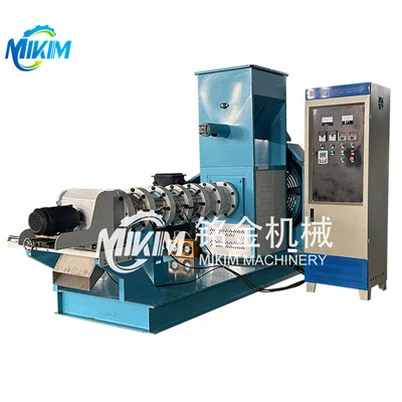
Pipe Inspection: Check the steam pipes of the extruder and pellet mill weekly for leaks (if white steam is coming out of the pipe joints, there's a leak). One hour of leakage wastes the equivalent of 10-20 yuan in fuel costs; two hours of leakage per month adds up to 200-400 yuan in extra costs. If there's a leak, tighten the joint with sealing strips or Teflon tape. If that doesn't work, replace the pipe.
2. Pressure Control: Steam pressure doesn't need to be too high. 0.4-0.5 MPa is sufficient for the extruder, and 0.3-0.4 MPa for the pellet mill (too high pressure wastes fuel and makes the raw materials too wet). Install pressure gauges on the steam pipes and check them daily; if the pressure is too high, close the valve slightly.
3. Waste heat recovery: After the extruder and pellet mill finish using steam, they will produce hot water (50-60℃). This hot water can be collected in a water tank and used to clean the equipment or mix raw materials. There is no need to reheat cold water, which can save 10-20 yuan of fuel costs per day (heating 1 ton of hot water costs 10-15 yuan of fuel).


Energy Consumption Management Tips
Create an "Energy Consumption Record Sheet" to record the daily operating time and steam consumption of each piece of equipment. For example, "March 2nd: Crusher operated for 4 hours, consuming 8 kWh of electricity; 5 tons of steam were used." Calculate the average energy consumption weekly. If you find that the energy consumption suddenly increases in a particular week, find the cause (such as excessive idling of equipment or steam leakage in the pipeline) and make timely improvements.
Why Choose Us
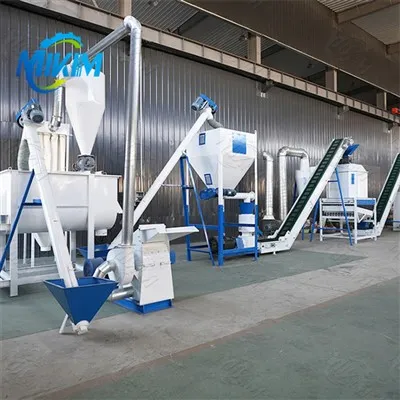
MIKIM boasts extensive experience in poultry feed pellet production lines, significantly reducing the incidence of poultry diseases. Its equipment is not only widely used across various industries domestically but also exported to Southeast Asia, Europe, Africa, and South America, earning a high reputation internationally. This global presence not only demonstrates the adaptability and competitiveness of its products, but also demonstrates the company's experience in adapting to diverse market standards and logistics conditions, enabling it to provide a stable supply chain for its overseas customers. Whether serving large domestic farms or cross-border feed companies, MIKIM can leverage its global service network to ensure a consistent, high-quality experience.
For more information on process flow design, equipment layout, factory construction plans, individual equipment pricing, or turnkey project proposals, please feel free to contact us!!!

FAQ
1. What is the price of the animal feed extruder line?
The price ranges from approximately $10,000-$46,000
2. Do you provide maintenance services for your customers?
Yes, we offer comprehensive after-sales maintenance services to our customers.