How to solve the problem of a shrimp food pellet machine not rotating?
Leave a message
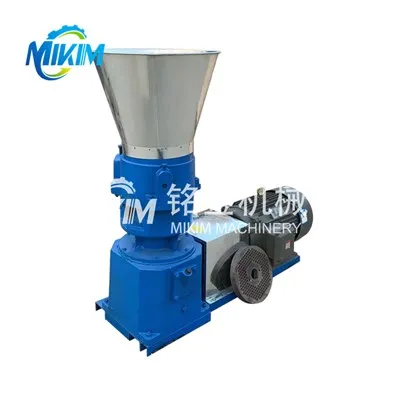
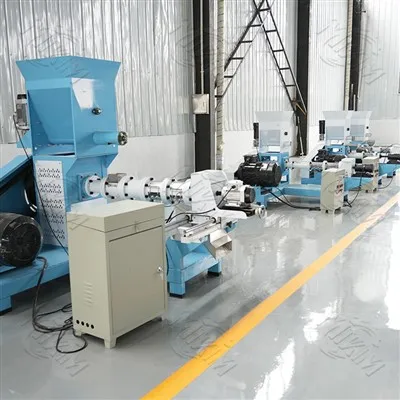
The first step is to quickly identify the type of fault: First, disconnect the power to the shrimp food pellet mill and manually rotate the rotating feed plate at the bottom of the feed hopper. If the feed plate rotates easily, the fault lies in the electrical system; if it cannot rotate at all or is severely jammed, it is a mechanical jamming problem. Mechanical jamming in aquatic feeders is often related to the raw materials becoming damp and clumping together-fish and shrimp feed particles are small (2-3mm), easily absorbing moisture and sticking together when exposed to water vapor, forming hard clumps at the bottom of the feed hopper and jamming the feed plate. In an emergency, open the cleaning door at the bottom of the feed hopper, use a special scraper to break up the clumps, and simultaneously use a high-pressure water gun to rinse the feed plate and the discharge port to ensure no feed residue remains; if the jamming is severe, the feed plate can be removed, the worn parts sanded with sandpaper, and then reinstalled. During installation, ensure the concentricity of the feed plate and the motor shaft to avoid misalignment that could cause further jamming.
Electrical faults are another common cause of pet feed floating pellet making machines not rotating, with salt spray corrosion being the main contributing factor. First, check if the power cord has short-circuited or broken due to soaking or wear. Replace it with a waterproof national standard cable. Next, open the motor junction box and check if the terminals are oxidized or rusted. Polish them with fine sandpaper, apply conductive grease, and tighten the wiring again. If the motor makes no abnormal noise, use a multimeter to test the motor windings. If the resistance is 0 or infinite, the motor is burnt out and needs to be replaced with a dedicated aquaculture motor with a waterproof rating of IP68 or higher to prevent further damage from water ingress.
Daily prevention should be tailored to the characteristics of the aquatic environment: clean the feed hopper of any remaining feed after daily feeding; rinse the surface of the feeder with fresh water weekly to remove salt stains; and apply waterproof lithium-based grease to the motor bearings monthly. Install a rainproof canopy on top of the feed hopper and install a humidity sensor inside the hopper. When the humidity exceeds 65%, a small dehumidifier will automatically start to prevent the feed from absorbing moisture and clumping. In addition, using aquaculture-specific anti-caking feed pellets can also reduce the risk of clogging from the source.
Related equipment


about Us
Customer visit
Certificate of Honor

FAQ
1. What is the price of the small pet food making machine?
The price ranges from approximately $3,500-$55,000
2. Do you provide maintenance services for your customers?
Yes, we offer comprehensive after-sales maintenance services to our customers.