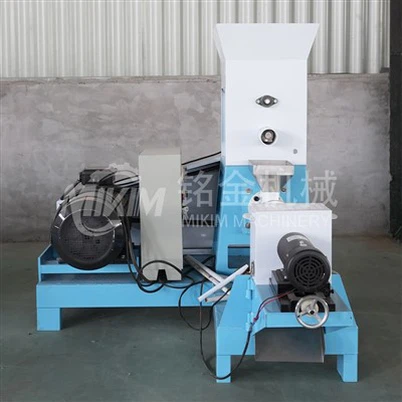
How to Improve the Efficiency of a Small Fish Food Pellet Making Machine and Reduce Energy Consumption?
Leave a message
Small fish feed extruder machines are widely used in the aquaculture industry, enabling the efficient production of high-quality fish feed. However, with rising energy costs and increasing environmental protection demands, improving production efficiency and reducing energy consumption have become key concerns within the industry. Through proper operation and technological optimization, it is possible to improve machine efficiency and reduce unnecessary energy waste during production while ensuring feed quality.
Six effective ways to improve efficiency and reduce energy consumption
1. Optimize Production Processes and Improve Efficiency
The first step in improving production efficiency is optimizing the production process. Ensuring continuous and stable operation of the small floating fish feed extruder machine, and minimizing downtime and idling time, is key to improving efficiency. First, sufficient raw material preparation before production is essential, ensuring that the proportions and quality of each batch of raw materials meet requirements, reducing production stoppages due to quality issues. Furthermore, rationally planning production time and operating procedures to avoid excessive equipment operation or idleness maximizes the machine's production capacity and avoids waste.
2. Select High-Quality Raw Materials and Reduce Energy Consumption
The quality of raw materials directly affects the working efficiency and energy consumption of the small electric fish feed extruder machine. Using high-quality raw materials reduces the machine's workload and lowers energy consumption. Inferior raw materials not only lead to low production efficiency but may also cause equipment malfunctions and increase energy consumption. Therefore, selecting appropriate raw materials and ensuring their purity and moisture content can effectively improve feed production efficiency. Appropriate moisture content also helps reduce energy loss during extrusion, as overly wet or dry raw materials increase the machine's workload.
3. Regular Equipment Maintenance and Upkeep
Regular maintenance and upkeep of the small fish feed making machine can effectively improve its working efficiency and reduce unnecessary energy consumption. Regularly check the operation of all machine components, especially the screw, heater, gears, etc., to ensure they are in good working condition. Cleaning and lubricating the equipment not only extends its service life but also reduces friction, improves extruder efficiency, and reduces downtime and additional energy consumption due to equipment failure.
4. Optimize Extruder Operating Parameters
By adjusting the operating parameters of the small floating fish feed making machine, such as temperature, pressure, and speed, the production process can be further optimized to achieve energy saving and consumption reduction. Appropriately adjusting these parameters to match the characteristics of the raw materials not only improves the quality of feed production but also reduces energy waste. For example, production at excessively high or low temperatures may lead to excessive energy consumption and reduced production efficiency. Through data analysis and experience accumulation, the optimal operating conditions can be accurately identified to optimize energy efficiency.
5. Introduce an Automated Control System
Adopting an automated control system can significantly improve production efficiency and reduce energy consumption. Through an intelligent operating system, each production stage can be precisely controlled, such as automatically adjusting temperature, humidity, and pressure to ensure the equipment always operates at its optimal condition. Furthermore, automated control enables real-time monitoring and data recording, allowing for the timely detection and remediation of potential energy waste, ensuring long-term stable and efficient operation of the equipment.
6. Rational Energy Planning to Reduce Electricity Consumption
Electricity consumption is a significant factor affecting production costs. In fish feed production, a rational energy use strategy can significantly reduce electricity consumption. Besides optimizing the operation of the small fish feed pellet making machine, electricity consumption can be reduced by selecting high-efficiency motors or energy-saving equipment. Choosing the appropriate equipment model is also crucial; equipment that is too large or too small can lead to energy waste. Selecting a suitable machine based on production scale and needs can maximize energy savings while ensuring production efficiency.
MIKIM's mini floating fish feed machine factory inventory video
Conclusion
Improving the production efficiency and reducing energy consumption of the small floating fish feed pellet extruder machine not only helps reduce production costs but also enhances the company's competitiveness. By optimizing the production process, selecting high-quality raw materials, regularly maintaining the equipment, adjusting operating parameters, and introducing automated control systems, the equipment's efficiency can be significantly improved, and unnecessary energy waste can be reduced. With rising energy costs, improving equipment energy efficiency has become a crucial issue for the aquaculture industry. By adopting appropriate technologies and management methods, companies can reduce costs while increasing production efficiency, thus promoting the sustainable development of the industry.
Company Profile

FAQ
1. What is the price of the mini electric fish feed extruder machine?
The price ranges from approximately $1,500-$105,000
2. Do you provide maintenance services for your customers?
Yes, we offer comprehensive after-sales maintenance services to our customers.
To explore which twin screw pet food machine model is suitable for your product line, view our full range of equipment or contact our team for a customized production plan.