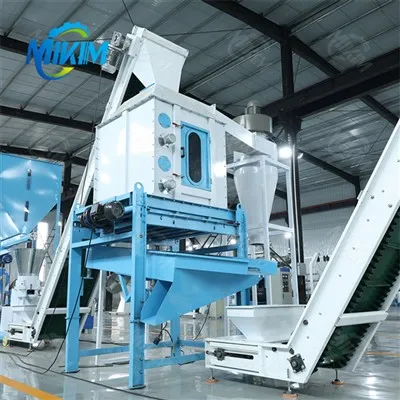
Pet food extruder machine maintenance tips: something everyone needs to know!!!
Leave a message
Pet feed extruder machine maintenance points
1. Immediate cleaning after each use of the dry dog food making machine is fundamental to maintenance and is often overlooked. During operation, proteins and starches from the raw materials adhere to the screw, extrusion chamber, and die surface at high temperatures. If not cleaned promptly, these deposits will harden and accumulate upon cooling, accelerating wear and tear and affecting product quality during subsequent uses. Cleaning should begin with disconnecting the power and allowing the equipment to cool to below 50°C. Disassemble the die and screw, use a specialized plastic scraper to remove any remaining raw materials, then soak in warm water (40-50°C) for 30 minutes. Thoroughly clean with a soft brush, avoiding the use of metal tools to scratch the surface. After cleaning, allow the parts to air dry or blow-dry with compressed air to prevent rust.
2. Regular lubrication and maintenance of the pet food pellet machine are crucial for reducing friction. This should be done according to the principles of "timely, quantitative, and quality" lubrication. The core lubrication points of an extruder include the screw bearing, motor bearing, and transmission system. Different parts require different lubricants: Screw bearings operate in high-temperature environments, so high-temperature resistant synthetic grease (temperature resistance ≥200℃) is required; general-purpose lithium-based grease can be used for motor bearings. Lubrication frequency should be adjusted according to usage time: equipment running for more than 8 hours daily should be lubricated every 3 days, while equipment running for less than 4 hours daily should be lubricated weekly. Each lubrication should cover 1/2-2/3 of the bearing surface to avoid excessive oil attracting dust and forming sludge.
3. Regular inspection and replacement of core components of a pet food processing machine can prevent sudden malfunctions. It is recommended to establish a "daily small check, weekly large check" system: Before starting the machine each day, check if the screw and motor connection is loose and if the transmission belt tension is appropriate (it should sink 1-2 cm when pressed with a finger); weekly, focus on checking the screw wear; if the blades show obvious scratches or deformation, polish and repair or replace them promptly; monthly, check the die head diameter; if wear increases by more than 10%, it will lead to uneven particle size, requiring replacement of the die head. Meanwhile, regularly calibrate the temperature controller and tachometer to ensure accurate parameter display and avoid production accidents caused by instrument errors.
4. The storage and maintenance of the pet food making machine during downtime also require attention. If it is to be idle for an extended period (more than one month), thoroughly clean the equipment, apply anti-rust oil to the surfaces of metal parts such as the screw and die, cover it with a dust cover, and store it in a dry, well-ventilated environment (humidity ≤60%). Before restarting, remove the dust cover, clean off the anti-rust oil, run the machine without load for 5-10 minutes, and only put it into production after confirming there are no abnormalities. Performing these maintenance tasks not only extends the equipment's lifespan but also reduces downtime due to malfunctions, lowers maintenance costs, and ensures the pet food extruder continuously and stably supports production.


about Us
MIKIM's fish feed pellet production lines and supporting machinery offer excellent value for money. Not only are they affordable, eliminating middlemen markups and allowing small and medium-sized enterprises (SMEs) and fish farmers to purchase complete sets of equipment at reasonable costs, but they also boast exceptional efficiency. The fully automated process, from raw material crushing and precise ingredient mixing to extrusion pelleting and maturation, is completed in one continuous flow. This results in high starch gelatinization rates and uniform pellet formation, significantly improving production efficiency and feed quality, truly achieving "low cost, high output." Choosing a MIKIM fish feed pellet production line means enjoying comprehensive pre-sales and after-sales service, including 24-hour online customer support, a one-year warranty on the entire machine, professional on-site installation, commissioning, and maintenance, and a stable supply of spare parts. Customers can buy with confidence and use with peace of mind, with both excellent value and service quality!!!
Customer visit

Certificate of Honor

FAQ
1. What is the price of the pet food pellet machine?
The price ranges from approximately $1,500-$55,000
2. Do you provide maintenance services for your customers?
Yes, we offer comprehensive after-sales maintenance services to our customers.
If you would like to learn more about MIKIM machinery, please contact us. We offer one-stop service and welcome your inquiries!!!